Ken Griffin spent roughly $125 million buying all 138 units at Solaris, a 22-story Brickell condominium, a figure LuxuryDade sources to Bloomberg. The money is real, but the timing is not yours to control: the last holdouts took seven-figure payouts and the early sellers did not. Before you sign anything, get an independent land-value read and a hard look at the building's financial health.

Most Miami condo owners think about selling one unit to one buyer. A bulk buyout inverts that: one buyer wants every unit, and your price stops being a comparable-sales question and becomes a land question. Bloomberg reported in July 2026 that Ken Griffin's entities had quietly acquired all 138 units at Solaris in Brickell for about $125 million over roughly three years, buying one apartment at a time through anonymous LLCs. Here is what actually happened, what Florida law would have required if owners had refused, and what an owner in an older Brickell condo building should do the day a quiet offer arrives.
What $125 Million Actually Bought in Brickell
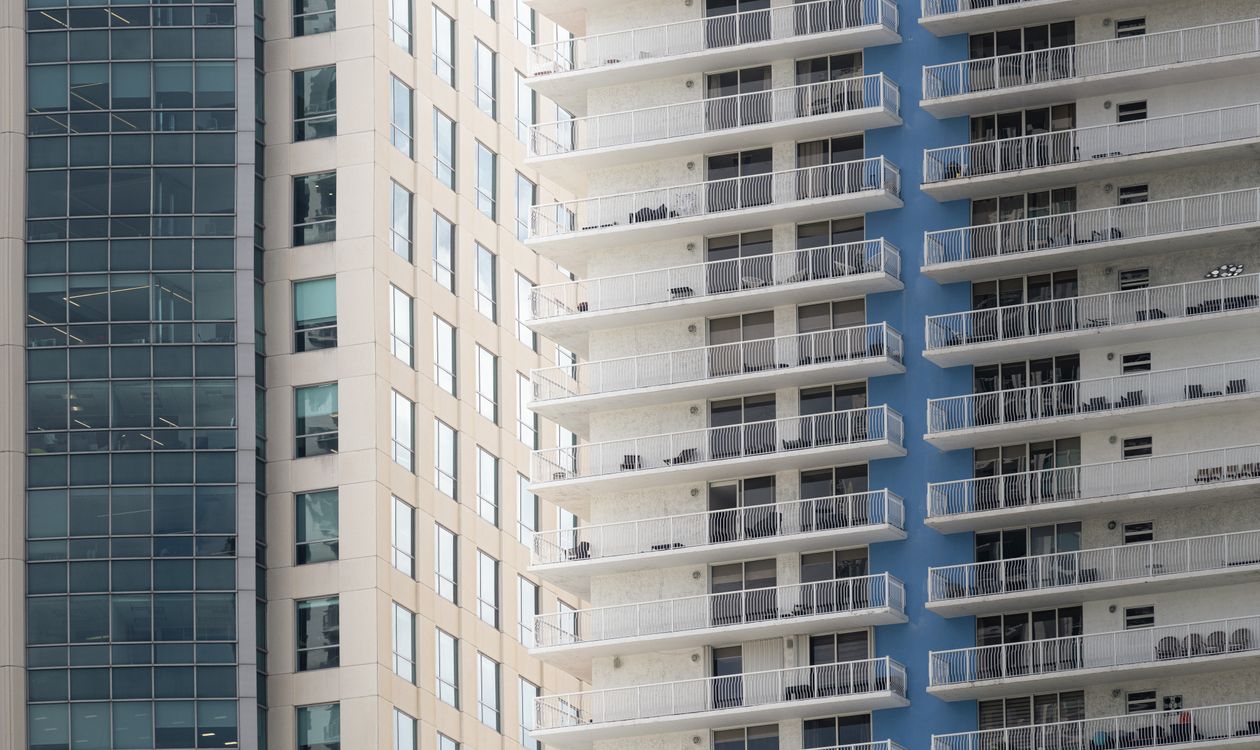
According to Bloomberg, entities tied to Citadel founder Ken Griffin bought every one of the 138 condominium units at Solaris, a 22-story Brickell tower, along with the ground-floor retail space. The purchases ran through a network of anonymous LLCs over about three years and totaled roughly $125 million. That works out to an average near $906,000 per unit across the building, though the spread between the earliest and latest sellers was the whole story.
The building is coming down. Robb Report reported on August 4, 2026 that the site clears the way for the next phase of Griffin's Brickell development: a 54-story tower for Citadel, a 300-unit apartment building, a 1,420-space parking garage, and additional office space. One last piece was a city-owned historic cottage next door, once the office of Miami's first physician. Miami commissioners approved that sale in July 2026, with Griffin agreeing to pay for the building's preservation and relocation.
The negotiating pattern is the part owners should study. Bloomberg reported that the buyer's team spent years working owner by owner, repeatedly raising offers, and in some cases letting residents stay temporarily on below-market leaseback arrangements. Once word spread that a single mystery buyer was accumulating units, the last holdouts reportedly walked away with seven-figure payouts, while owners who had sold early said they wished they had waited.
Buying Every Unit Is Not the Same as Terminating a Condo
This distinction decides how much leverage you have, and Griffin used the first of two paths. A private assemblage means the buyer negotiates with each owner individually at whatever price that owner accepts. No statute applies, no vote happens, and any owner can refuse forever. The only pressure is commercial: neighbors selling around you, and an offer that may or may not improve.
The second path is a statutory termination under Florida Statute 718.117, and it is the one that overrides individual owners. An optional termination plan must be approved by at least 80 percent of the total voting interests before it can go to the state. The counterweight is small but real: if 5 percent or more of the total voting interests reject the plan, by negative vote or by written objection, the plan cannot proceed, and no new plan may be considered for 24 months.
When one bulk owner already controls 80 percent or more of the voting interests, the statute sets hard compensation floors that a lot of owners have never read. Every non-bulk owner must be paid at least 100 percent of fair market value, determined by an independent appraiser selected by the termination trustee and dated no earlier than 90 days before the plan is recorded. If your unit carries a homestead exemption and you are current on assessments, the floor rises to at least the original purchase price you paid. Homestead owners also receive a relocation payment equal to 1 percent of the termination proceeds allocated to their unit. And if the former units are offered for lease publicly, an owner in occupancy can lease the unit back and stay 12 months past the effective date, provided the request goes to the trustee in writing within 90 days of recording.
My advice on this is blunt, because I have watched owners talk themselves out of good outcomes both ways. Do not treat the first offer as the ceiling and do not treat holding out as a strategy on its own. The statutory floors only exist once someone actually files a plan; in a quiet private assemblage like Solaris, nothing protects you except your own read on what the dirt is worth. Owners in older buildings carrying SB-4D structural reserve obligations should be running that number before an offer arrives, not after.

What a Buyout Offer Is Worth Against What Your Unit Is Worth
A normal resale prices your unit against other units. A bulk buyout prices it against the redevelopment value of the land under the whole building, divided by how badly the buyer needs your specific signature. Early in an assemblage the buyer has alternatives and pays close to comparable value. Late in it, with 130 units bought and a 54-story tower waiting on you, your leverage peaks.
Here is how the two sale paths differ for a Miami condo owner (for the standard resale mechanics, see my Miami condo seller guide):
| Factor | Open-Market Resale | Bulk Buyout |
|---|---|---|
| What sets your price | Comparable unit sales | Redevelopment value of the land |
| Who you negotiate against | One buyer among many | A single buyer who needs the whole floor plate |
| Your leverage over time | Falls as days on market rise | Rises as neighbors sell |
| Legal price floor | None, market only | None privately; 100 percent of appraised value once a plan is filed |
| Occupancy after closing | You move at closing | Leaseback possible; 12 months under Fla. Stat. 718.117 |
| Main risk | Pricing above the comparables | Selling early into a rising offer schedule |
If a quiet offer arrives on your building, three things are worth doing before you answer. Pull the recent sales in your own building and look for a cluster of purchases by different LLCs with the same mailing address or registered agent, which is the signature of an assemblage. Get a land-value opinion for the parcel under current zoning rather than a unit appraisal, because that number is what the buyer is solving for. Then check whether your homestead exemption is in place and your assessments are current, since both of those change your floor if this ever becomes a statutory termination.
What This Removes From the Brickell Condo Market
Brickell loses 138 condominium units permanently, replaced by a 300-unit apartment building that is rental stock rather than for-sale inventory, plus office space and a garage. On a submarket carrying thousands of units, one building does not move the median. What it does is confirm which Brickell product has a floor under it.
Older mid-rise condo buildings on well-located parcels now have two possible buyers instead of one: the individual who wants a unit, and the developer who wants the parcel. The second buyer does not care about the kitchen, it cares about the zoning envelope. For owners that is a real option. For buyers shopping the same buildings, it is a reason to check who else has been buying in the stack.
It also raises the cost of assembling anything else nearby, because every owner who reads about seven-figure holdout payouts prices that into the next conversation. That pushes new supply toward already-consolidated parcels, which is one reason the current Brickell pre-construction pipeline skews toward large single-owner sites. Griffin has put more than $1 billion into South Florida real estate since moving Citadel from Chicago in 2022, per Robb Report, and Solaris shows what that capital does to one block.
- Owners in older Brickell condo buildings: know your parcel's land value under current zoning, not just your unit's comparable value.
- Owners with a homestead exemption: keep it current. It raises your statutory floor to your original purchase price and adds a 1 percent relocation payment if a termination plan is ever filed.
- Buyers considering an older Brickell building: check recent same-building sales for repeat LLC purchasers before you write an offer.
- Buyers who want no part of this: newer towers on consolidated sites are not assemblage candidates. That is a real, if unglamorous, reason to favor them.

"The thing I tell owners in older Brickell buildings is that your unit and your land are two different assets, and only one of them shows up in a comparable sales report. If a stranger's LLC is buying in your stack, you are no longer selling a condo. You are selling a piece of somebody's site plan, and that is priced completely differently."Gerardo Gonzalez, Licensed Real Estate Agent at Compass
Frequently Asked Questions: Miami Condo Bulk Buyouts and Terminations

Prefer to talk? Call me at (305) 964-8614 or WhatsApp.