Miami's Two-Speed Market 2026: Why Single-Family Homes and Condos Are Moving in Opposite Directions
Miami split into two markets in 2026: single-family homes sit at 5.7 months of supply, a seller's market, while condos sit at 13 months, a buyer's market, according to Miami Association of Realtors March 2026 data. I am seeing houses with strong pricing draw multiple offers in weeks while comparable condos sit for months and trade with assessment credits. If you want a house, get financing locked before you tour, but if you want a condo, take your time and negotiate hard on price and pending assessments.
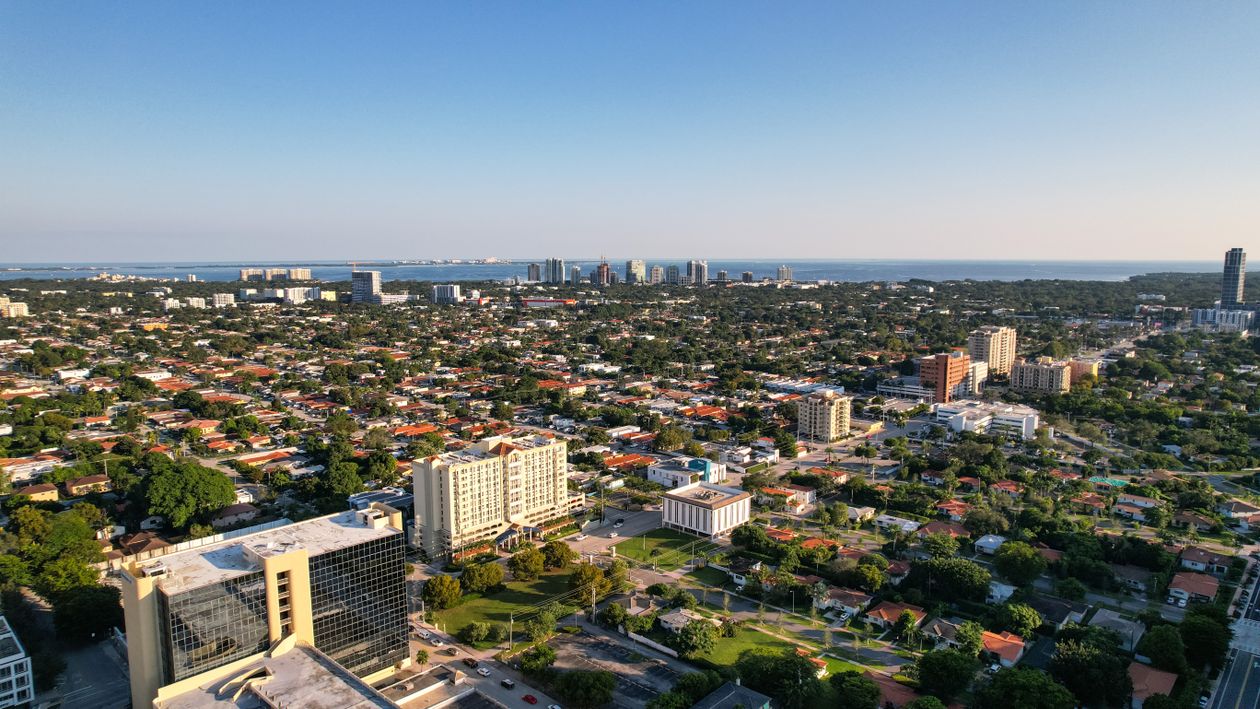
People keep asking me whether Miami is a buyer's market or a seller's market in 2026, and the honest answer is that it is both at once. The county has split cleanly along property type. Single-family homes are tight, fast, and appreciating, while condos are slow, well-supplied, and full of negotiating room. If you only read a single headline number, you miss the whole story, because the average hides two markets moving in opposite directions. For the full county framework I use with clients, my 2026 Miami pre-construction buyer's guide lays out the context.
The split shows up most clearly in months of supply, the single best gauge of who holds the upper hand. Miami-Dade single-family homes carried 5.7 months of supply while condos carried 13 months, according to Miami Association of Realtors data. Anything under six months favors sellers and anything well above it favors buyers, so one county is running a seller's market and a buyer's market side by side. That is why I now start every consultation by asking which segment a client is in before I say a word about strategy.
The Two Markets, Side by Side
The clearest way to see the split is to put the two property types next to each other on the metrics that decide negotiating power. They tell opposite stories on supply, speed, and price direction, even though they sit in the same county.
| Metric (latest 2026 data) | Single-Family Homes | Condominiums |
|---|---|---|
| Months of supply | 5.7 months (seller's) | 13 months (buyer's) |
| Median sold price | $674,000 (from $670,000) | $445,000, up 1.73% YoY |
| Days from listing to contract | ~50 days | ~72 days |
| Closed sales YoY | Up ~10.6% | Up ~2.9% |
The supply line is the whole story. Single-family homes at 5.7 months sit firmly below the six-month mark that separates a balanced market from a seller's market, while condos at 13 months are deep in buyer territory, per Miami Association of Realtors data. When one segment has barely five months of inventory and the other has more than twice that, the same buyer walks into two completely different negotiations depending on what they tour.

Price is the quieter part of the story. The single-family median was $674,000 in March 2026, up from $670,000 a year earlier, while the condo median rose 1.73 percent to $445,000, according to the MIAMI REALTORS March 2026 release. The house edge is speed and scarcity, not faster appreciation: single-family closings rose 10.6 percent against 2.9 percent for condos. A buyer who needs a house is choosing the faster, tighter lane, and a buyer chasing value and choice is choosing the slower one. Both lanes are valid, but they reward opposite behavior at the negotiating table.
Why Condos Piled Up While Houses Stayed Tight
The condo glut is not a demand collapse, it is a cost story. Florida's post-Surfside condo safety law now forces aging Brickell and beach condo associations to fund structural reserves and complete milestone inspections, which has pushed monthly dues higher and triggered special assessments in older buildings. Buyers price that uncertainty in, so listings linger and inventory builds. Single-family homes carry none of that association risk, which is a big reason they stay tight while condos loosen.
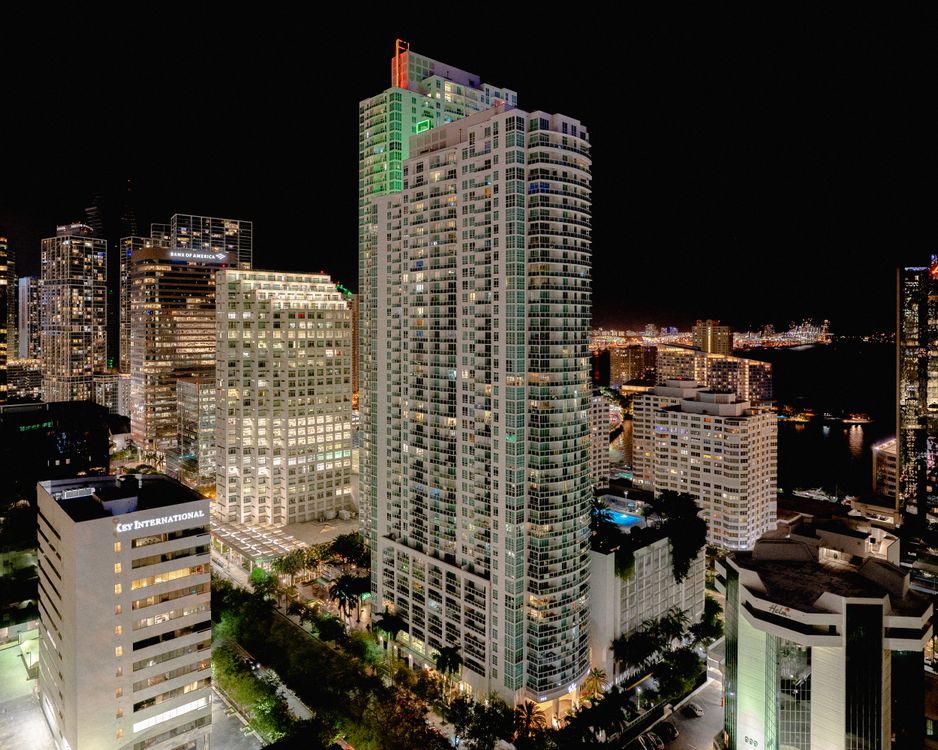
Demand at the top end stayed strong even as condo supply built. Single-family homes over $1 million rose about 19.8 percent year over year and properties over $5 million jumped roughly 27 percent, per Miami Association of Realtors data, and a large share of that closed in cash. Cash accounted for 49.8 percent of all condo sales and 38.1 percent of total sales, well above the national share near 27 percent. Cash buyers do not care about condo financing friction, which is why the luxury lane keeps moving. If you are timing an offer in either segment, my step-by-step pre-construction buying process walks through the sequence.
What the Split Means for Buyers and Sellers
If you are selling a single-family home, the math is on your side. With 5.7 months of supply and homes going to contract in about 50 days, well-prepared listings get attention quickly, and overpricing is the main thing that stalls a sale. If you are selling a condo, you are competing against 13 months of standing inventory, so realistic pricing, a clean reserve study, and a willingness to address pending assessments are what separate a sold listing from one that sits for 72 days or longer.
For buyers, the playbook flips by segment. House hunters should arrive financed and decisive, because the best-priced homes draw competing offers fast. Condo buyers have the rare luxury of negotiating power in Miami: more choice, more time, and real room to negotiate price and assessment credits. The smart condo buyer trades patience for a discount and uses the extra time to vet each building's finances, which matters more now than the address itself.
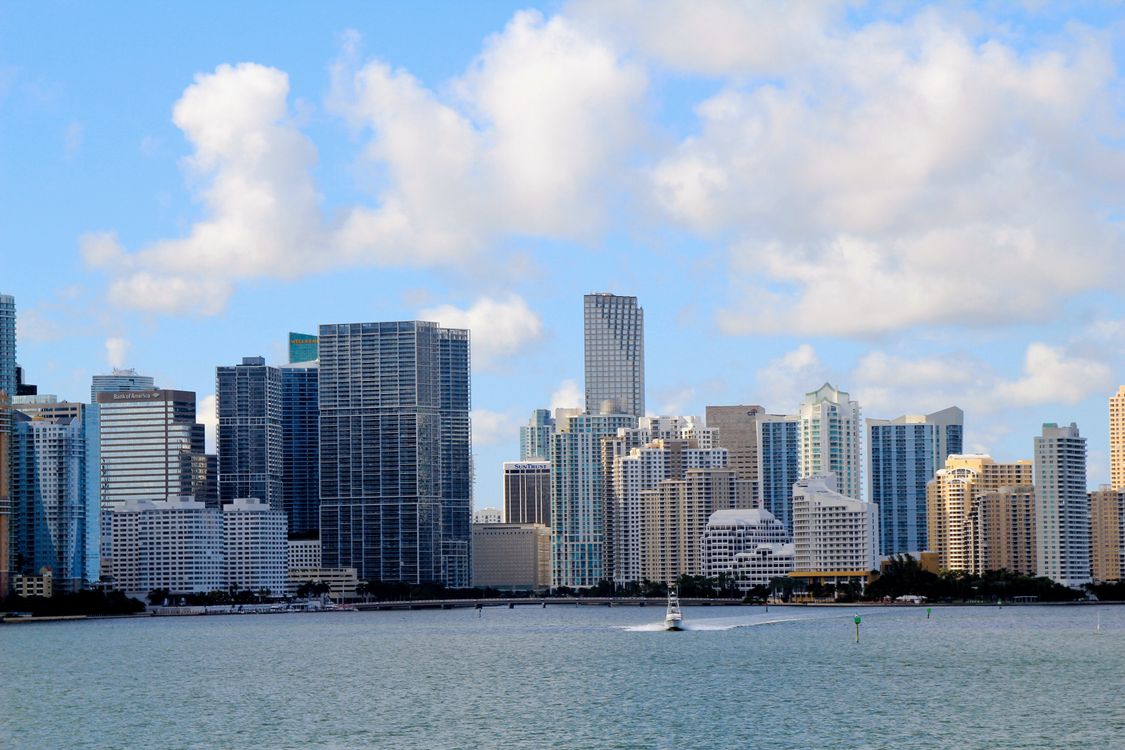
How I Read the Two-Speed Market in 2026
When clients ask whether 2026 is a good time to transact in Miami, I refuse to give one answer, because there isn't one. Here is how I break it down before any strategy talk.
- Supply decides who has the advantage: houses at 5.7 months favor sellers, condos at 13 months favor buyers. Know which side of that line you are on.
- Sales growth lives in houses: single-family closings rose 10.6 percent while condo closings rose 2.9 percent; the medians sat at $674,000 and $445,000.
- Speed differs by segment: homes contract in about 50 days, condos in about 72, so timelines and offer urgency should not match.
- Luxury is the strongest lane: sales over $5 million rose about 27 percent, and cash funded nearly half of all condo sales.
- Condo finances over address: with so much condo supply, the building's reserves and assessment history decide value more than the view.
"I tell clients Miami isn't one market in 2026, it's two. If you are buying a house, be financed and ready to move the same week. If you are buying a condo, slow down, vet the building's reserves, and use the extra supply to negotiate."
Gerardo Gonzalez, Licensed Real Estate Agent at Compass
If you are weighing where to buy a condo, my breakdown of Brickell vs Edgewater vs Sunny Isles pre-construction lays out the trade-offs in density, pricing, and rental flexibility side by side. And before you sign on any condo, run the building through my checklist for evaluating a Miami condo building's financial health, because in a buyer's market the reserves and assessment history matter as much as the address, especially under Florida's current condo safety law. My breakdown of the true cost of owning a Miami luxury condo puts real numbers on the taxes, insurance, and dues behind that monthly figure.
Frequently Asked Questions
Is Miami a buyer's market or a seller's market in 2026?
Both, depending on the property type. As of the latest Miami Association of Realtors data, single-family homes sat at 5.7 months of supply, which is a seller's market, while condos sat at 13 months of supply, which is a buyer's market. That split is why Miami is best described as a two-speed market in 2026, with houses tight and condos soft.
Why are Miami condos a buyer's market while houses are not?
Condo supply has built up while buyers price in Florida's post-Surfside reserve requirements and special assessments. Condos carried 13 months of supply against 5.7 months for single-family homes. Buyers can negotiate on condos and often ask sellers to cover pending assessments, while well-priced houses still draw competing offers because land-backed inventory is scarce.
How much have Miami home prices risen in 2026?
The single-family median was $674,000 in March 2026, up from $670,000 a year earlier, while the condo median was $445,000, up 1.73 percent, per Miami Association of Realtors data. Prices moved modestly; the real gap between the two segments is in sales and supply. Total Miami-Dade sales rose 6.6 percent year over year, the seventh straight month of gains. The reach behind that data grew this spring too, which I break down in what the MIAMI REALTORS and RWorld merger means for buyers.
Is Miami luxury real estate still growing in 2026?
Yes, and it is the strongest part of the market. Single-family homes over $1 million rose about 19.8 percent year over year and properties over $5 million jumped roughly 27 percent, per Miami Association of Realtors data. Cash buyers dominate the top end, with 49.8 percent of all condo sales and 38.1 percent of total sales closing in cash.
How long do Miami homes and condos take to sell in 2026?
Single-family homes averaged about 50 days from listing to contract while condos averaged about 72 days, per Miami Association of Realtors data. Both rose from a year earlier, but the gap confirms the two-speed pattern. Houses move faster because supply is tight, and condos take longer because buyers have more inventory and negotiating room.
Should I buy a Miami condo or a single-family home in 2026?
It depends on your goal. The condo side gives buyers negotiating power and more choice at 13 months of supply, which suits investors and price-sensitive buyers who vet building reserves carefully. The house side at 5.7 months rewards buyers who are financed and ready to move quickly. Match the segment to your timeline and tolerance for competition.
Related Articles
- Key Biscayne Real Estate 2026: Why the Island Market Is Tightening
- Brickell vs Edgewater vs Sunny Isles: Where to Buy Pre-Construction in Miami 2026
- How to Evaluate a Miami Condo Building's Financial Health
- The 2026 Miami Pre-Construction Buyer's Guide
- Miami Pre-Construction Buying Process, Step by Step
Frequently Asked Questions
Last verified September 17, 2026 against the MIAMI REALTORS March 2026 release: single-family homes at 5.7 months of supply with a median of $674,000 (from $670,000) and condos at 13 months of supply with a median of $445,000 (up 1.73% YoY); total sales rose 6.6% year over year, the seventh straight monthly gain; properties over $5 million rose about 27%; cash was 38.1% of all sales. Figures reflect the most recent monthly report and are subject to revision.
Not sure which side of Miami's two-speed market you should be playing? I track months of supply, pricing, and assessment risk by segment and neighborhood, so I can tell you whether to move fast on a house or take your time and negotiate on a condo.
Contact Gerardo Gonzalez About Your Miami MovePrefer to talk? Call me at (305) 964-8614
Explore All Miami Pre-Construction Buildings →
Data sources: 2026 Miami-Dade residential market figures as reported by the Miami Association of Realtors, with market context from The Real Deal. Compiled from sources deemed reliable but not guaranteed; readers should verify current pricing and inventory with a licensed agent before making decisions.
Market figures reflect the most recent 2026 monthly report and are subject to revision. This article is for informational purposes only and does not constitute financial, legal, or investment advice.