Cipriani Residences Miami topped off at approximately 950 feet on July 23, 2026 and has passed 80 percent sold to buyers from more than 30 countries, according to PROFILEmiami. What I watch is that this landed the same week NAR reported U.S. foreign buying down 19.1 percent. If you hold a contract here, start your closing file now, not at delivery.
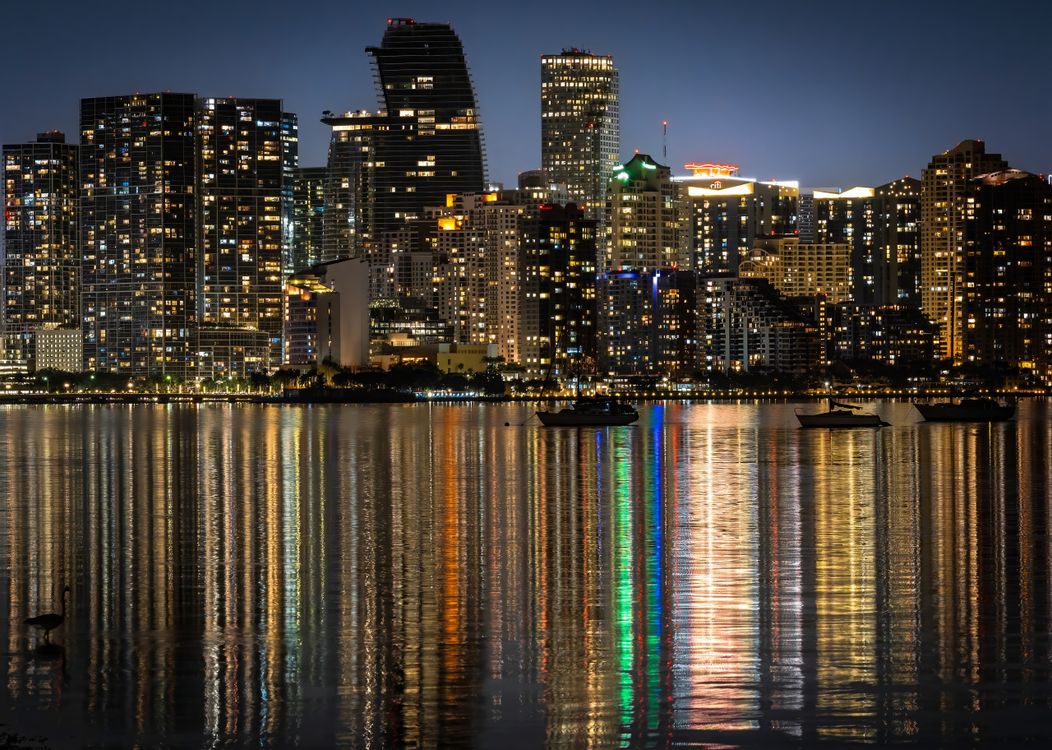
Two things happened in the last week of July 2026, and reading them together tells you more about the Miami market than either does alone. Cipriani Residences Miami reached its full structural height on the Brickell waterfront and confirmed it has sold past 80 percent. Days later, the National Association of REALTORS reported that foreign buyers spent 19.1 percent less on U.S. homes over the past year. One number says international demand is retreating. The other says a Brickell tower sold four of every five units to buyers from more than 30 countries. Both are true, and the gap between them is where the actual opportunity sits. If you are new to how these projects work, the Miami pre-construction buyer guide covers the mechanics.
What Topping Off Actually Means for a Buyer
Topping off is the moment a tower stops growing. The structural frame is complete at full height, and everything left is interior: facade glazing on the upper floors, mechanical systems, elevators, finishes, and inspections. Buyers tend to treat it as a press-release milestone. It is not. It is the point where the biggest unknown in any pre-construction contract, whether the building actually gets built, effectively resolves.
Here is the advice I give every client holding a contract in a tower that just topped off: stop waiting and open your closing file now. Delivery is roughly a year out, and that year is when appraisals get ordered, foreign-national loan files get underwritten, and title issues surface. The people who scramble are the ones who treat the closing notice as the starting gun. It is not, it is the deadline.
For Cipriani Residences Miami, occupancy is anticipated in Summer 2027 and the tower is one of the few ultra-luxury Brickell projects expected to deliver in that window, per PROFILEmiami. That timing matters more than the height record. A buyer who signed in 2022 or 2023 is now inside the final stretch of a three-to-five-year capital commitment, and the questions shift from "will it happen" to "what do I owe, when, and how am I funding it."
The other thing topping off changes is the resale conversation. Until a building reaches full height, contract assignments trade on faith in the developer. Once the structure is topped and delivery is dated, an assignment starts trading on something closer to a real asset. That is when I see spreads narrow and serious secondary interest show up.
How the Numbers Compare Against the National Picture
The NAR figure released on July 29, 2026 is the one every international client is going to ask me about, so it is worth stating plainly. Foreign buyers purchased $45.3 billion of U.S. existing homes from April 2025 through March 2026. That is down 19.1 percent in dollar volume and down 14 percent in units, to 67,100 homes, the second-lowest count since NAR started tracking in 2009.
But the headline hides the part that matters for Miami. Florida remained the top destination, drawing 20 percent of all foreign buyers, ahead of California at 19 percent and Texas at 12 percent. And the median foreign-buyer purchase price was $465,000, which tells you the decline is concentrated in the mid-market, not at the branded ultra-luxury tier where a Brickell tower prices from $1.8 million.
| Metric | U.S. foreign buyers (NAR) | Cipriani Residences Miami |
|---|---|---|
| Year-over-year direction | Dollar volume down 19.1% | Passed 80% sold |
| Typical price point | $465,000 median | From $1.8M, Canaletto from $4.1M |
| All-cash share | 48% of foreign buyers | Deposit-structured pre-construction |
| Buyer origin spread | Canada 16%, Mexico 14%, China 11% | More than 30 countries |
| Top U.S. destination state | Florida, 20% of foreign buyers | Brickell, Miami-Dade |
Two structural reasons explain why the branded tier holds when the broad number falls. First, 48 percent of foreign buyers paid all cash, versus 28 percent of all existing-home buyers, per NAR, and that share runs higher still at the top of the market. Mortgage rates simply do not drive this buyer. Second, a global brand spreads demand across dozens of countries at once, so one weak currency or one country's capital controls does not stall a sales floor. If you are buying from abroad, the complete guide for non-U.S. buyers covers FIRPTA and entity structuring before you sign.
What Is Actually Being Delivered in Summer 2027
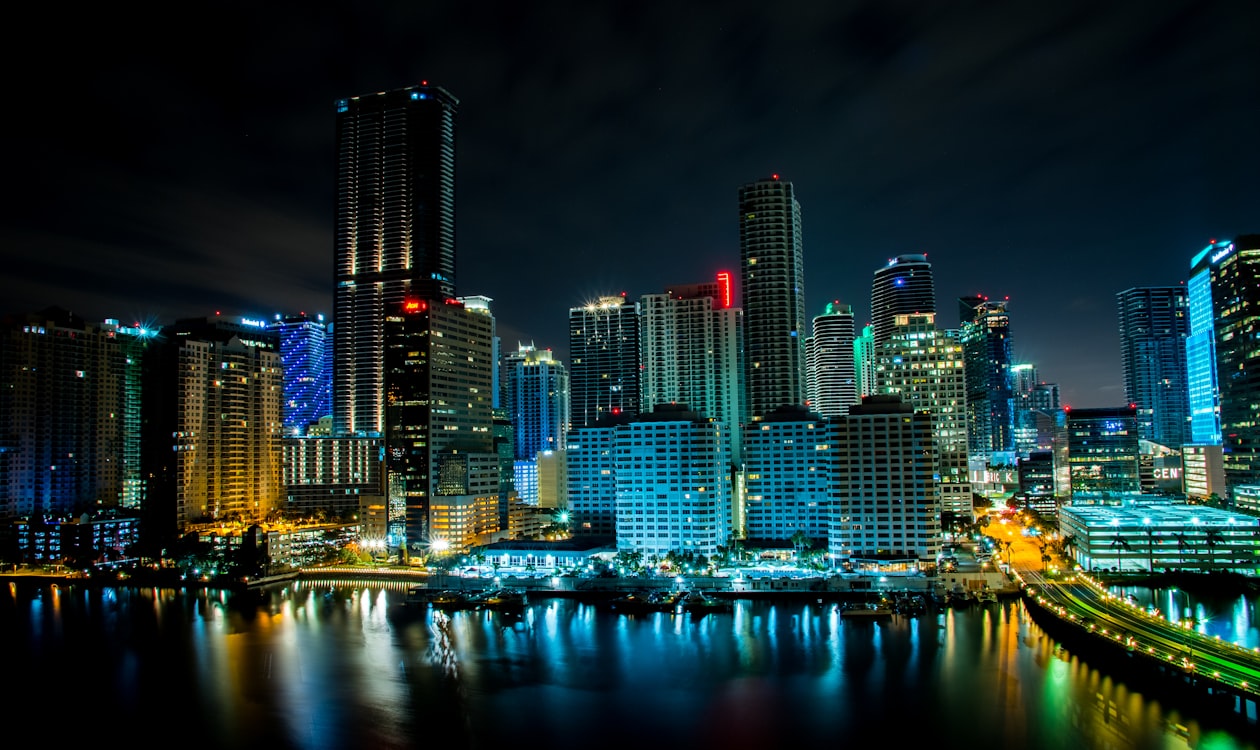
The tower holds 397 residences designed by Arquitectonica with interiors by 1508 London, according to PROFILEmiami. Pricing starts at $1.8 million, with the Canaletto Collection on the upper floors beginning at $4.1 million. Amenities run past 50,000 square feet and include a resort-style pool deck, a spa, a private screening room, business lounges, and a 37th-floor speakeasy overlooking Biscayne Bay.
The developer is Mast Capital, led by founder and CEO Camilo Miguel Jr. The general contractor is Moss Construction. On the height record, the tower now stands taller than Aston Martin Residences at 817 feet, One Thousand Museum at 706 feet, and Paramount Miami Worldcenter at 700 feet, per PROFILEmiami. Two Downtown projects will eventually pass it: Waldorf Astoria at roughly 1,049 feet and Okan Tower at 902 feet.
My honest read on the height headline is that it sells units but it should not drive your decision. What I would weigh instead:
- Delivery date certainty: Summer 2027 occupancy on a topped-off structure is a far firmer commitment than a 2029 date on a tower still pouring floors.
- Floor and line, not the address: Bay exposure versus city exposure on the same floor can swing value meaningfully. The brand is priced into every unit; the view is not.
- Remaining inventory quality: At 80 percent sold, what is left is what nobody picked first. That can mean a genuine discount or a genuinely worse unit, and you need to know which.
- Carrying cost after closing: A full-service branded tower carries higher HOA dues than a conventional condo. Model it before you close, not after. My true cost of owning a Miami luxury condo guide breaks down every recurring line.
- Financing lead time: Foreign-national loan files take longer than domestic ones. Start twelve months out, not three. See the Miami pre-construction financing guide.
For buyers weighing this against other branded towers in the same submarket, my Miami branded residences analysis covers whether the brand premium holds at resale, and the St. Regis Brickell pricing breakdown sits one tier above this on price per square foot.
The Risks I Would Put in Front of a Buyer Today
An 80 percent sold tower at full height is a strong position, and it still carries real risk. The first is the closing wall. Every one of those contracts has to fund, and the buyers who signed in 2022 committed at a different interest-rate and currency reality than the one they are closing into. When a meaningful share of a building's contracts fail to close, that inventory comes back to market at once, and it lands on the same floors as the resale listings from buyers who did close.
The second is supply timing. Brickell has multiple luxury towers delivering between 2027 and 2030, and the bayfront stretch of Brickell carries a different absorption profile than the inland blocks. Delivery-year overlap is when a submarket finds out whether absorption was real demand or repeated speculation. I would want to know what else lands in the same twelve months before assuming a smooth resale.
The third is the one the NAR data points at directly. If foreign-buyer volume is down 19.1 percent nationally and unit count is at its second-lowest level since 2009, the pool of replacement buyers at resale is thinner than it was two years ago, even in Florida. That does not break a branded tower, but it does mean pricing an exit optimistically is a mistake right now.
Before you sign anything, read the building's budget. My building financial health framework walks through the reserve and operating lines that tell you what year three actually costs, and the step-by-step buying process guide maps each deposit to its construction milestone.
"Topping off is not a marketing milestone, it is a deadline. The tower is done growing, so the next twelve months belong to your lender, your appraiser, and your closing attorney."
What the last week of July 2026 tells us is not that Miami is immune. It is that the market has split. The national foreign-buyer decline is real and it is concentrated where the median purchase is $465,000. At the branded ultra-luxury tier, with buyers from 30-plus countries paying cash, a tower can reach full height and sell four of five units in the same quarter that the national number falls almost 20 percent. If you are buying at the top of this market, that split is the whole story. If you are underwriting a resale exit, assume the buyer pool below you is smaller than it was, and price accordingly.
Frequently Asked Questions