DAMAC International's Delmore, a $1.6 billion oceanfront tower on the former Champlain Towers South site in Surfside, has sold zero of its 37 units a year after launch, with prices of roughly $15 million to $150 million against a Surfside luxury condo average just over $9 million in Q2 2026, per Moneywise. The pattern I see again and again is simple: price beats prestige, and a launch set far above its market stalls. Read a stalled, overpriced project as leverage, not as proof the building is bad.
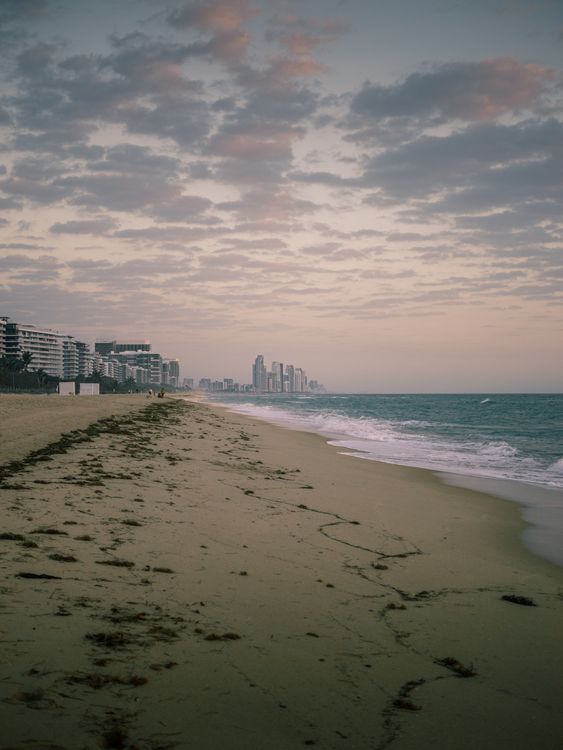
One Surfside project is giving Miami the clearest pricing lesson of 2026, and it is a painful one. The Delmore, a luxury condo tower on the site where the Champlain Towers South building collapsed in 2021, was announced by Dubai-based developer DAMAC International as a $1.6 billion development of 37 mansions designed by Zaha Hadid Architects, with 7,000-square-foot residences and an oceanside meditation garden. A year after launch, not one unit has sold, and construction halted in February 2026, per Moneywise. The headline blames the site's tragic history, and that weight is real. But the number that jumps out at me is the price gap. The pricing story is the one Miami buyers should study, because it repeats across the market in less dramatic form. The Miami pre-construction buyer guide is where I start with anyone weighing a new-development reservation.
What I tell buyers about a stall like this is to separate the building from the price. The Delmore is, on paper, an exceptional product on an irreplaceable oceanfront parcel. None of that matters if the launch price ignores what the local market actually pays, and that is the part developers get wrong far more often than buyers expect. When a project sits unsold, my read is rarely "this building is flawed." It is "this price has to move," and that is exactly the moment a prepared buyer has leverage.
The Numbers Behind the Stall
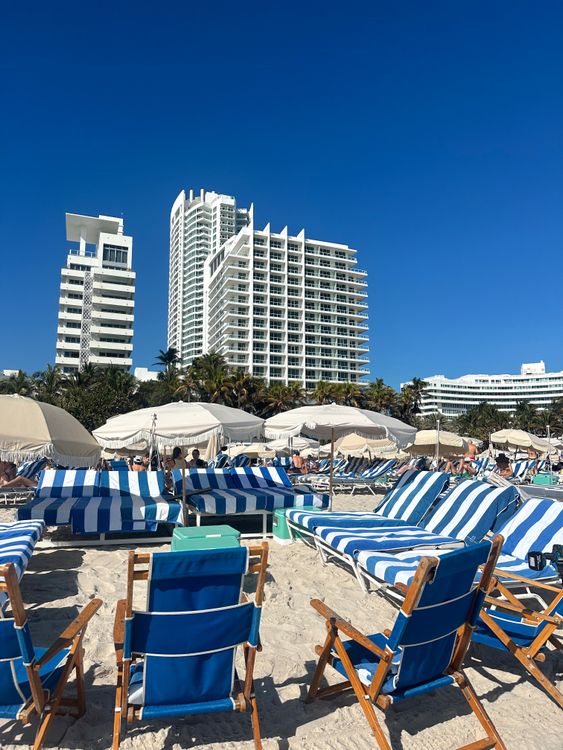
The Delmore was listed at roughly $15 million to $150 million per residence, averaging near $40 million, while the average asking price for a Surfside luxury condo in the second quarter of 2026 was just over $9 million, per Moneywise. That is a launch priced at more than four times its own submarket. DAMAC won the parcel in 2022 with a $120 million bid, the only offer on the property, per The Wall Street Journal, then announced a $1.6 billion development. The developer argues the project "operates in a different tier" and says it has received and rejected offers that sought a discount. Here is how the headline figures line up:
| The Delmore, Surfside | Detail |
|---|---|
| Developer | DAMAC International (Dubai) |
| Total units / floors | 37 mansions over 12 floors |
| Unit price range | $15M to $150M (avg ~$40M) |
| Surfside luxury condo average (Q2 2026) | Just over $9M |
| Units sold (one year after launch) | 0 |
| Status | Construction halted Feb 2026; completion targeted 2029 |
Five Lessons Miami Buyers Should Take From It
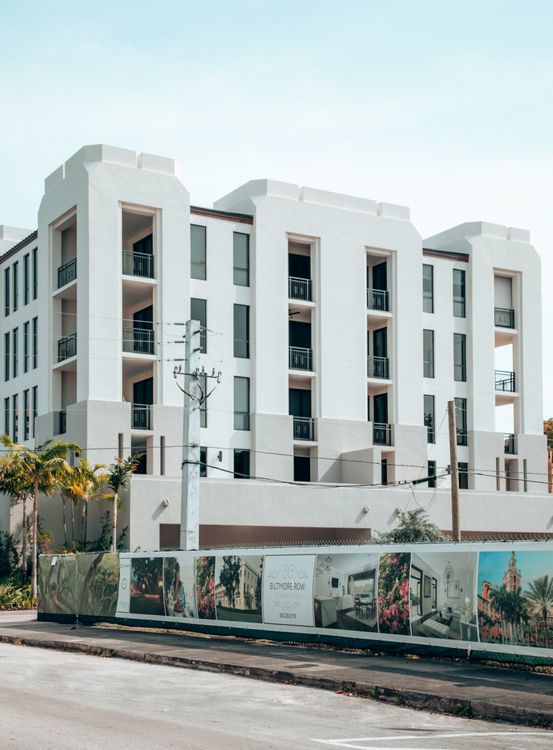
Strip away the Surfside-specific tragedy and The Delmore is a clean case study in how a pre-construction launch fails on price. Here is what I pull from it for the buyers I work with:
- Price has to map to the submarket, not the developer's ambition: A $40 million average in a market where luxury condos trade near $9 million leaves almost no buyer pool, no matter how good the architect is. When you evaluate a new tower, compare its per-square-foot ask to recent closings in the same neighborhood, not to the glossiest project in Miami.
- Zero sales is a signal, not a verdict on the building: A stalled launch usually means the price is wrong, and that is the moment a developer is most open to revised terms. I treat a slow project as a place to ask for concessions, not a place to walk away on reflex.
- Inventory context matters: Existing Miami-Dade condo inventory sat near 12.9 months of supply in May 2026 per Miami Realtors, so an overpriced new unit competes against a deep field of cheaper resale alternatives. That cushion is your negotiating backdrop.
- Local knowledge is not optional: One agent quoted in the coverage believed DAMAC "did not have a strong grasp of this market." A developer or buyer working without on-the-ground reads of what a specific Surfside or Brickell buyer will actually pay is flying blind. The step-by-step buying process guide walks through how to pressure-test a launch.
- Verify the developer can finish: A stalled project is only a value play if the developer has the balance sheet to deliver. Check the construction loan, the track record, and the deposit structure before you commit. The condo financial-health guide covers exactly what to look for.
"A great building at the wrong price sells nothing, and a fair building at the right price sells out. The Delmore is the most expensive reminder of that rule I have seen in this market. When I see a launch stall, I do not assume the project is bad, I assume the price has to come down, and I get my buyer ready for that conversation."Gerardo Gonzalez, Licensed Real Estate Agent at Compass
What the Stall Does Not Mean
It would be easy to read The Delmore as proof that Miami's luxury market is cooling, and that read would be wrong. The broader market is moving the other way. Miami-Dade home sales rose 7.9 percent year over year in May 2026, the ninth straight month of growth, and sales of properties over $1 million jumped 14.7 percent, per Miami Realtors. Cash continues to dominate the top end, with 82 percent of Miami $1 million-plus condo sales closing all-cash in 2025. Demand at the luxury level is clearly there. What is not there is demand for a single building priced at four times its submarket on a parcel that carries genuine emotional weight for the community. Those are project-specific problems, not a market verdict. The new developments tracker shows live pricing across active Miami towers, and the Delmore building page tracks this project's status as it evolves.
How to Use This as a Buyer
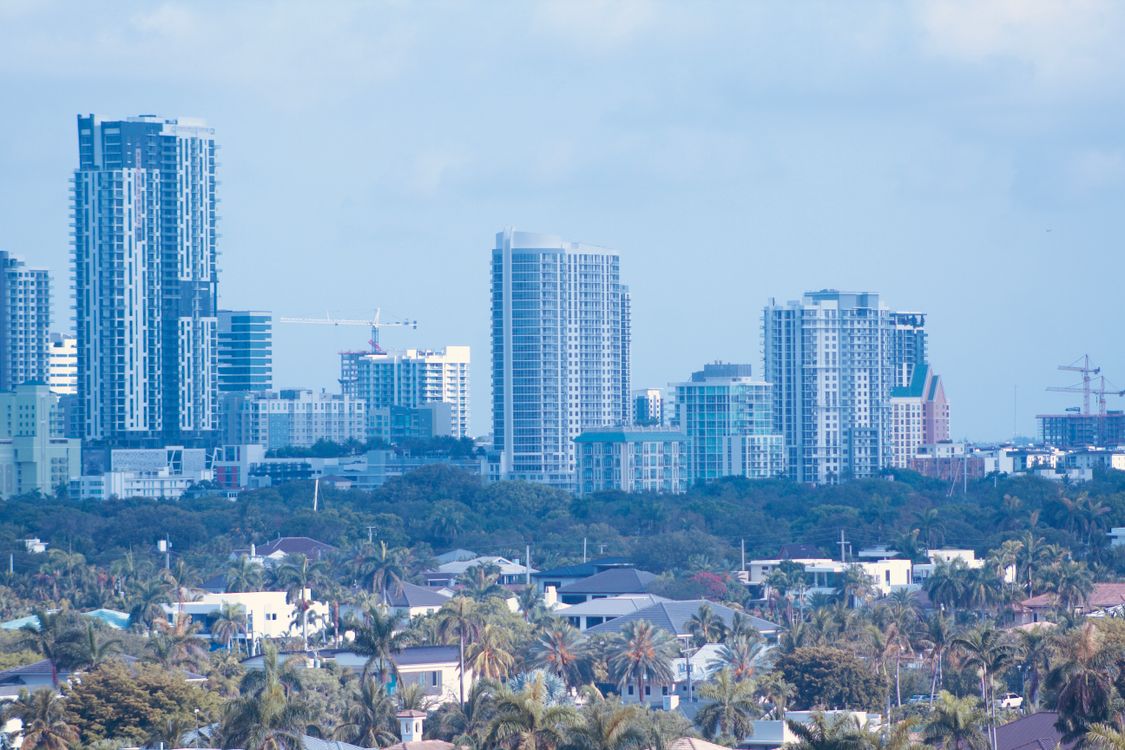
The practical takeaway is simple. When you look at any Miami pre-construction tower, anchor on price discipline first. Pull recent closings in the exact neighborhood and compare them to the developer's per-square-foot ask, because a launch priced well above its comps is the single clearest warning sign, and a launch priced in line with them is where the real opportunities sit. If a project is selling slowly, do not flinch, ask what the developer will move on, since deposits, finishes, and price are all negotiable when sales stall. And before you put money down, confirm the developer can actually deliver: the construction loan, the track record, and the deposit protections matter more than the renderings. The Miami pre-construction buyer guide and the condo financial-health guide are the two resources I walk buyers through before any reservation. If you want a read on a specific building or whether a stalled project is a value entry, reach out to me directly at (305) 964-8614.
Frequently Asked Questions

Prefer to talk? Call me at (305) 964-8614 or WhatsApp.