Miami-Dade condo sales rose for an eighth straight month into April 2026 while single-family and townhome prices dipped, according to MIAMI REALTORS. That strength concentrates in oceanfront and branded towers where supply is finite and international demand stays heavy. Buyers targeting Miami Beach beachfront should act on the right unit now, not wait for a discount.
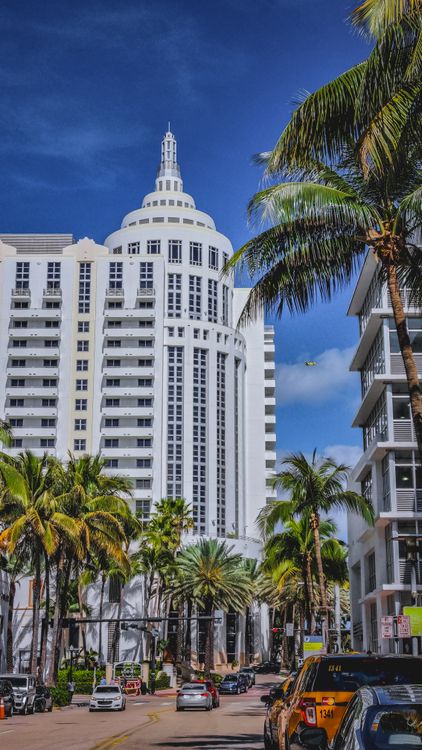
I work pre-construction and resale luxury condos every week, and the question clients keep asking this month is which way the Miami market is really moving. The honest answer is that it is splitting in two. According to MIAMI REALTORS, Miami-Dade existing condo sales rose for an eighth consecutive month into April 2026, and the condo median price ticked up roughly 1.1 percent year over year. Over the same window, single-family and townhome prices both eased. The headline that Miami is cooling is half right. Condos, especially oceanfront ones, are doing the opposite. My Miami pre-construction buyer's guide goes deeper on how I read these signals.
This matters most on the beach. The strongest, most supply-constrained corner of the condo market is the oceanfront, and nowhere is that clearer than Miami Beach's Collins Avenue. Limited beachfront land, finite branded inventory, and a steady flow of international buyers keep pricing firm even while the broader market softens. The same dynamic drives oceanfront condos in Sunny Isles just up the coast. In this post I walk through the data behind the condo rise, why Miami Beach's Millionaire's Row holds value when other product slips, and what I am telling buyers to do about it right now.
The Data: Condos Up, Houses Softer
Start with the numbers, because they cut against the simple story that Miami is cooling. According to MIAMI REALTORS, Miami-Dade existing condo sales rose for an eighth consecutive month through April 2026. Over the same period, single-family and townhome prices both dipped year over year. The county's once-sagging condo sector is now the part propping up the broader market, and the gap between the two is the most useful signal a buyer has this year.
Look one level deeper and the pattern sharpens. The condo price band from 300,000 to 500,000 dollars surged nearly 18 percent year over year, and the condo median price rose about 1.1 percent. That is broad demand, not a top-end blip. When entry-level and mid-tier condos and the oceanfront luxury market both move in the same direction, it tells me the strength is structural, tied to lifestyle and supply, rather than a single quarter of cash buyers.
| Miami-Dade, April 2026 (YoY) | Direction | What It Signals |
|---|---|---|
| Existing condo sales | Up, 8th straight month | Sustained demand |
| Condo median price | Up ~1.1% | Firm pricing |
| Single-family price | Down | Easing demand |
| Townhome price | Down | Easing demand |
"When condos rise for eight straight months and houses slip, that is not a cooling market. It is a market choosing lifestyle and liquidity, and the oceanfront is where that choice is loudest."Gerardo Gonzalez, Licensed Real Estate Agent at Compass
Why the Oceanfront Holds Firm When Other Product Slips
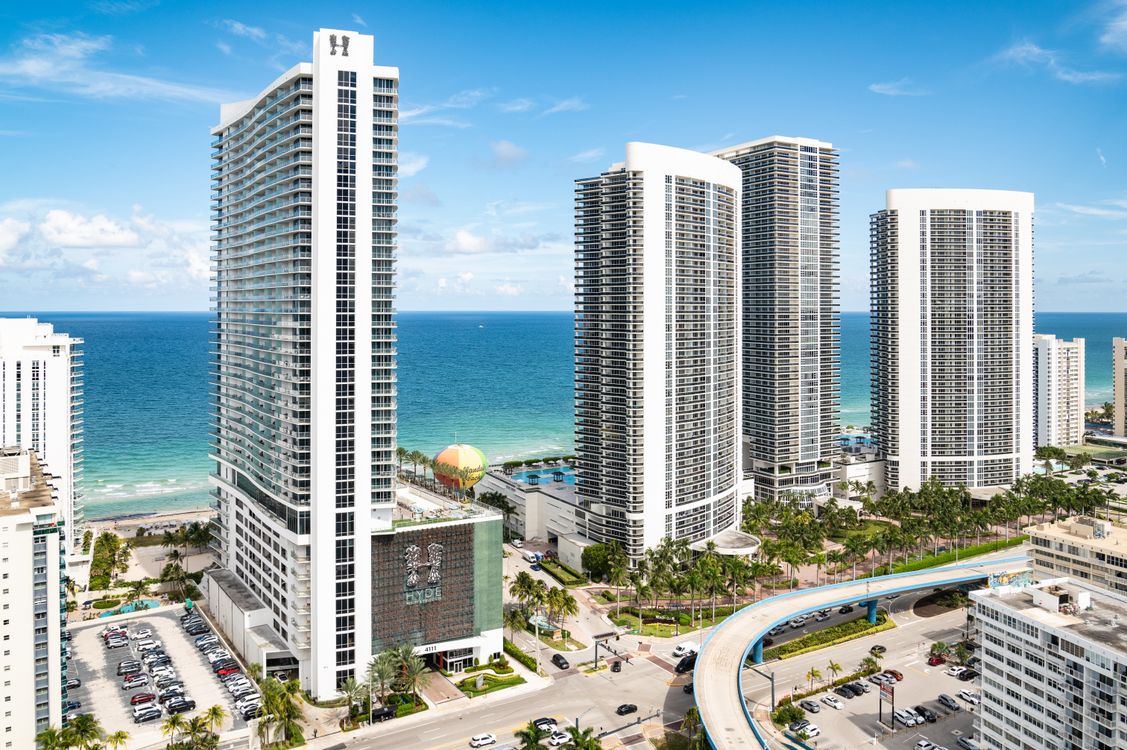
This is the part the broad market stat hides. The condo strength is not evenly spread. It concentrates where supply cannot grow, and nothing is more supply-constrained than the oceanfront. Miami Beach has a fixed amount of beachfront, no new land is being made, and the branded and boutique towers along Collins Avenue trade in a thin, closely held market. When inventory rises elsewhere, the beachfront is insulated, because you cannot simply build more of it.
Demand on that finite supply stays heavy for reasons that do not cool quickly. International buyers, who account for roughly half of South Florida new-construction, pre-construction, and condo-conversion purchases over recent reporting periods, overwhelmingly want low-maintenance, amenity-rich oceanfront living. That lock-and-leave appeal, plus the lifestyle and the privacy of a branded address, is exactly what a softening single-family market does not offer. My breakdown of the true cost of owning a Miami luxury condo folds HOA fees and reserves into the math so the comparison is honest.
So when a client weighs a beachfront condo against an inland house, I do not frame it as condo versus house in the abstract. I frame it as finite oceanfront supply against expandable inland supply. In a market where condos are rising and houses are easing, the scarce asset is the one with pricing power. For most of my buyers chasing the Miami Beach lifestyle, that points to the oceanfront, with the right financial diligence attached.
Millionaire's Row: Where Beachfront Demand Concentrates
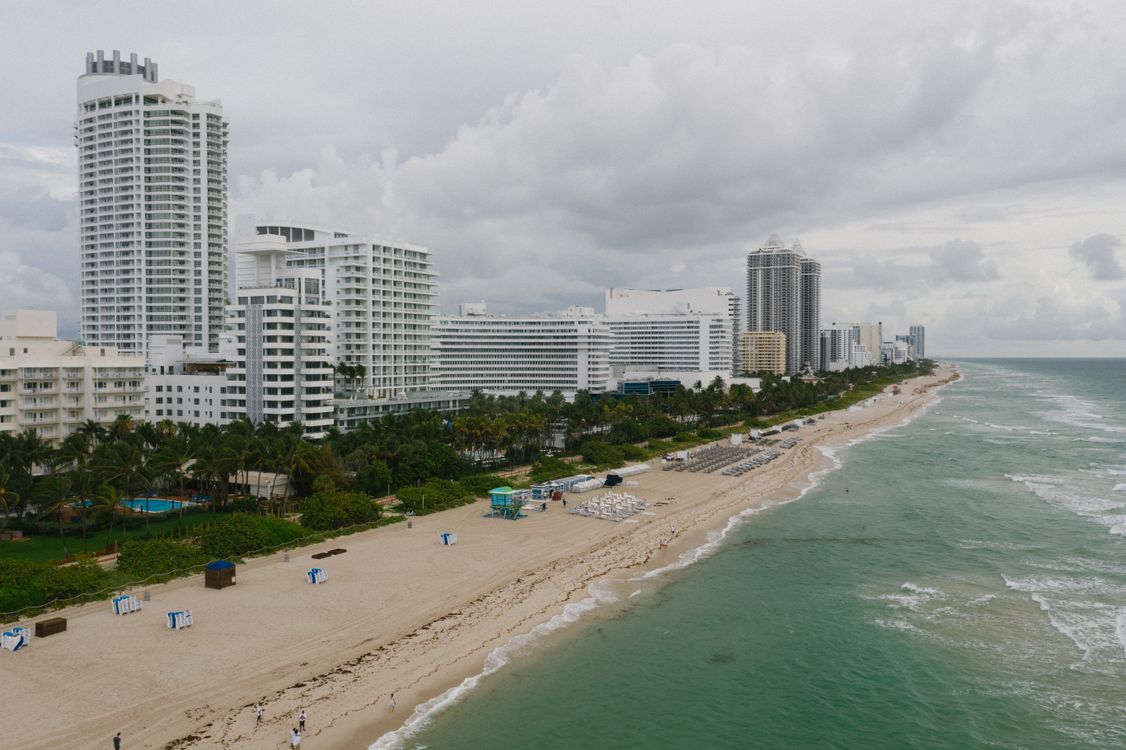
When buyers ask me where the oceanfront strength actually lives, I point them to Millionaire's Row. It is the stretch of Collins Avenue on Miami Beach running roughly from 41st Street to 62nd Street, home to some of Miami-Dade's most exclusive oceanfront condominiums. It blends restored Art Deco landmarks with newer branded and boutique towers, and it is the kind of address where resale supply is chronically thin because owners hold for years.
The pricing reflects that scarcity. New luxury condos along the wider Collins corridor run from about 4.25 million dollars to over 125 million, with several headline deliveries scheduled for 2027 and 2028. That forward pipeline matters because it sets the replacement cost that resale units are measured against. When new oceanfront product is priced this high and delivering years out, existing beachfront condos in good buildings hold their value rather than chase a softening inland market down.
It is also why I steer beachfront buyers toward the building, not just the unit. A great line and view inside a poorly funded association is a worse buy than a modest unit in a well-run tower. My framework for evaluating a Miami condo building's financial health walks through the reserves, HOA trends, and assessment history I check before I let a client commit to any oceanfront tower on the Row.
What I Weigh Before Recommending an Oceanfront Condo
A rising condo market does not mean every beachfront unit is a smart buy. Strength in the index can hide weakness in a specific building. Here is the checklist I run before I tell a client to move on an oceanfront condo.
- HOA fees and reserves. Oceanfront towers carry higher fees for a reason: salt air, pools, and amenities are expensive to maintain. I want fees that match the building, and reserves that are funded, not waived, so a future special assessment does not erase the value of buying in firm.
- Supply in the specific building. A tower with twenty identical lines listed at once does not have the same pricing power as one with two units for sale a year. I check how many comparable units are competing before we negotiate.
- Rental and resale demand. The lifestyle that drives demand also supports rents and resale. I look at how the building's units actually trade and lease, not just the headline median, because that liquidity is what protects you on exit.
- Assessment and litigation history. A clean, well-funded association in a scarce beachfront location is the combination that holds value. I read the records before the sales pitch, every time.
Run that checklist and the broad market stat turns into a real decision. Eight months of rising condo sales tells you the direction. The building's own fees, reserves, supply, and demand tell you whether this particular oceanfront unit will hold the firm pricing the market is showing.
What I Tell Buyers to Do Right Now
Here is the priority list I am giving clients this month, depending on what they are after.
If you want oceanfront: Do not wait for a discount the data does not support. With condo sales rising eight straight months and beachfront supply finite, the best units on Millionaire's Row do not sit. Move when the right line and view appear, and negotiate on HOA credits or closing costs rather than holding out for a price drop. The SB 4-D and special assessments guide explains why reserve rules now favor well-funded oceanfront towers.
If you are weighing a house instead: The softer single-family and townhome numbers give you more room to negotiate, and that is real. Just be clear-eyed that you are trading the firm pricing and lock-and-leave liquidity of the beachfront for a market that is currently easing. Both can be right answers, depending on whether you want lifestyle or negotiating room.
If you are buying pre-construction on the beach: The developer's track record and the contract's warranty language carry the weight, since there is no resale history yet. The step-by-step pre-construction buying process I walk every client through covers what to verify at each deposit stage so the scarcity premium you are paying is backed by a building that delivers.
None of this is hype about Miami's beachfront. It is a read of where demand is actually concentrating in 2026, and how to act on it with the records in hand. Call me at (305) 964-8614 and I will pull the file on any oceanfront building you are weighing.
Frequently Asked Questions About Miami Beach Condos
Are Miami condo prices going up or down in 2026?
Condos are up, single-family is softer. According to MIAMI REALTORS, Miami-Dade condo sales rose for an eighth straight month into April 2026 and the condo median price increased about 1.1 percent year over year, while single-family and townhome prices dipped. The strongest demand sits in oceanfront and branded product, where limited supply keeps pricing firm even as the broader market cools.
Why are Miami condo sales rising while home prices fall?
It is a flight to lifestyle and liquidity. Condo sales climbed for eight consecutive months through April 2026, with the 300,000 to 500,000 tier up nearly 18 percent year over year, while single-family prices eased. Buyers want low-maintenance, amenity-rich oceanfront living, and international buyers, roughly half of South Florida new-construction purchases, lean heavily toward condos.
Is a Miami Beach oceanfront condo a good investment in 2026?
For the right unit, yes. Oceanfront supply on Collins Avenue is finite, which protects value when broader inventory rises. The Millionaire's Row corridor from 41st to 62nd Street holds branded and boutique towers that rarely trade at discounts. Weigh HOA fees, reserve funding, and assessment risk against rental and resale demand before you commit.
What is Millionaire's Row in Miami Beach?
Millionaire's Row is the stretch of Collins Avenue on Miami Beach running roughly from 41st Street to 62nd Street, home to some of Miami-Dade's most exclusive oceanfront condominiums. It blends restored Art Deco landmarks with newer branded towers. New luxury condos along the wider Collins corridor are priced from about 4.25 million dollars to over 125 million, with several deliveries due in 2027 and 2028.
More Questions Buyers Ask Me

Prefer to talk? Call me at (305) 964-8614 or WhatsApp.