South Florida developers are buying out and demolishing aging condos to clear scarce waterfront sites, with The Real Deal reporting a roughly 200 million dollar buyout of a 134-unit Brickell Key building in active negotiation as of April 2026. Gerardo Gonzalez of LuxuryDade is seeing this hit pre-2000 oceanfront buildings first, where structural-inspection and insurance costs make owners more open to a sale. If you own in a prime building, get a Florida attorney before you respond to any offer.

South Florida's luxury development engine has a land problem. The prime waterfront and bayfront parcels that built Brickell Key, Sunny Isles Beach, and Miami Beach are essentially gone. So the most active developers are doing the next logical thing: buying entire aging condominium buildings, demolishing them, and replacing them with a new generation of ultra-luxury towers. This is not a forecast. It is already happening, and the numbers are large. The Real Deal reported in April 2026 that developers were negotiating a roughly 200 million dollar buyout of a single 134-unit building on Brickell Key. I work this market every week, and I want you to understand the mechanism, because it changes how you should think about both buying new construction and owning an older unit in a prime location.
How a Condo Buyout Actually Works
A condo buyout is a structured legal process, not a simple cash offer. Under Florida Statute 718.117, the condominium form of ownership can be terminated when 80 percent of voting interests approve a plan of termination. There is a critical safeguard: if 5 percent or more of the voting interests reject the plan, the termination cannot proceed. Once a qualifying supermajority approves, the remaining owners are bought out at a court-supervised fair market value, and the developer takes title to the whole building. From there the structure is demolished and the cleared site is redeveloped.
This path is slower and more complex than buying a vacant lot. It involves owner votes, valuations, dissenters, and often litigation. But in submarkets like Brickell Key, Sunny Isles Beach, and Miami Beach, where oceanfront and bayfront land simply does not exist in any meaningful quantity, it is the primary remaining mechanism to build new product. Developers accept the friction because the location is the asset, and the only way to get the location is to buy the building standing on it.
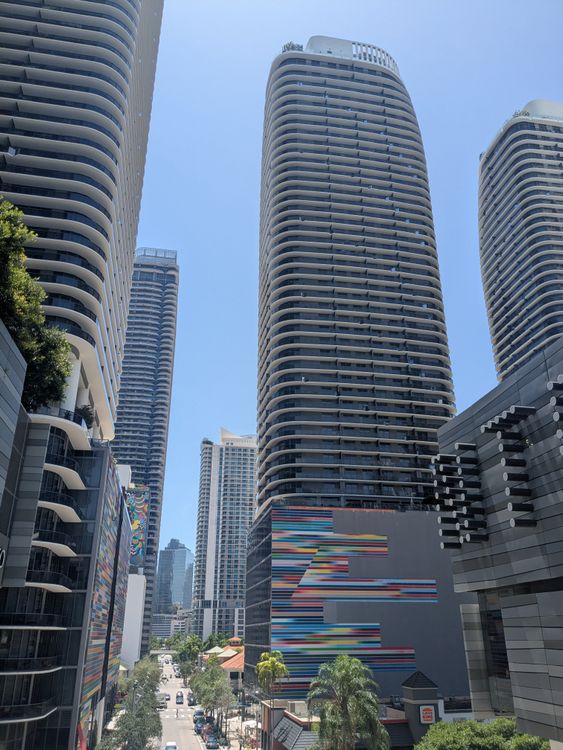
The Transactions Defining the Trend
Two deals show the scale. In 2024, a development group completed a 132 million dollar buyout of an oceanfront condominium complex in Sunny Isles Beach, acquiring the entire building to redevelop it as a new luxury tower, according to The Real Deal. The per-unit value of roughly 1 million dollars was a meaningful premium to owners of what had been a mid-tier building. Then in April 2026, The Real Deal reported that developers were in active negotiations to acquire a 134-unit building on Brickell Key at a valuation near 1.5 million dollars per unit, about 200 million dollars for the building, adjacent to a major two-tower project already rising on the island.
Here is how those two benchmark deals compare, and why the per-unit number is the figure owners and buyers should watch:
| Buyout benchmark | What the numbers say |
|---|---|
| Sunny Isles, 2024 (The Real Deal) | ~132 million dollars total, roughly 1 million dollars per unit |
| Brickell Key, 2026 negotiation (The Real Deal) | ~200 million dollars total, roughly 1.5 million dollars per unit |
| Legal threshold (FL Statute 718.117) | 80% owner vote to terminate, blocked if 5%+ reject |
| What drives the price | Scarcity of the underlying waterfront land, not the building itself |
Even relatively recent buildings are being removed. A former hotel on Brickell Key was imploded in April 2026 to clear its site for a two-tower ultra-luxury residential project. That is the lesson: in the best locations, the land is worth more than almost anything built on it, and the math keeps pushing developers toward acquisition and demolition. When I help a buyer evaluate a new tower, I also read what is happening to the older buildings around it, using the same lens as my guide to a condo building's financial health.
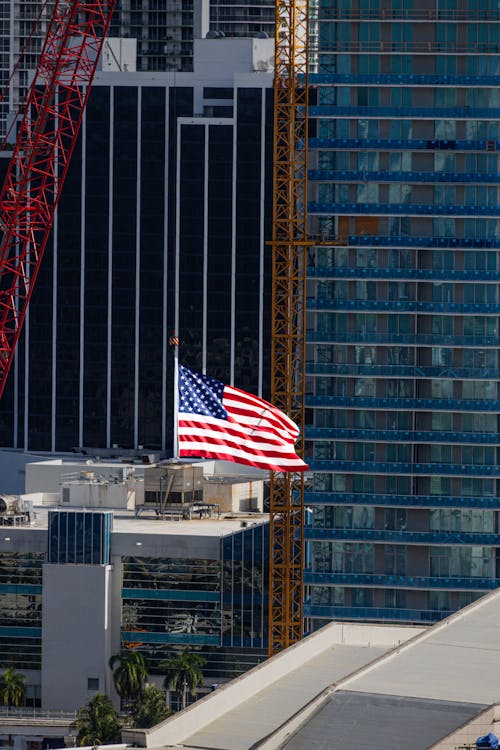
Why Aging Buildings Are the Targets
Not every old building becomes a buyout candidate. The ones that do share a profile, and it is worth knowing because it tells you which buildings are likely to draw an offer and which buyers should be paying attention. The common factors are converging right now, which is why the pace has picked up:
- Irreplaceable location: oceanfront or bayfront ground in a built-out submarket where no comparable vacant land is available at a viable price.
- Pre-2000 construction: older towers with dated layouts and finishes that no longer command top-tier pricing on resale, even in a prime spot.
- Structural inspection exposure: Florida's mandatory milestone inspection and reserve-funding rules can force large special assessments, making a clean exit more attractive to owners.
- Rising insurance and carrying costs: climbing premiums and aging infrastructure raise the cost of staying, which can move a building toward the vote threshold.
When those forces line up, an 80 percent owner vote that was unthinkable a decade ago becomes plausible. For owners weighing the math, the choice is often between funding a major assessment to keep an aging building alive or accepting a premium-priced exit. That is exactly the dynamic I track in my guide to Miami condo special assessments, because the same pressure that triggers an assessment can also trigger a buyout conversation.
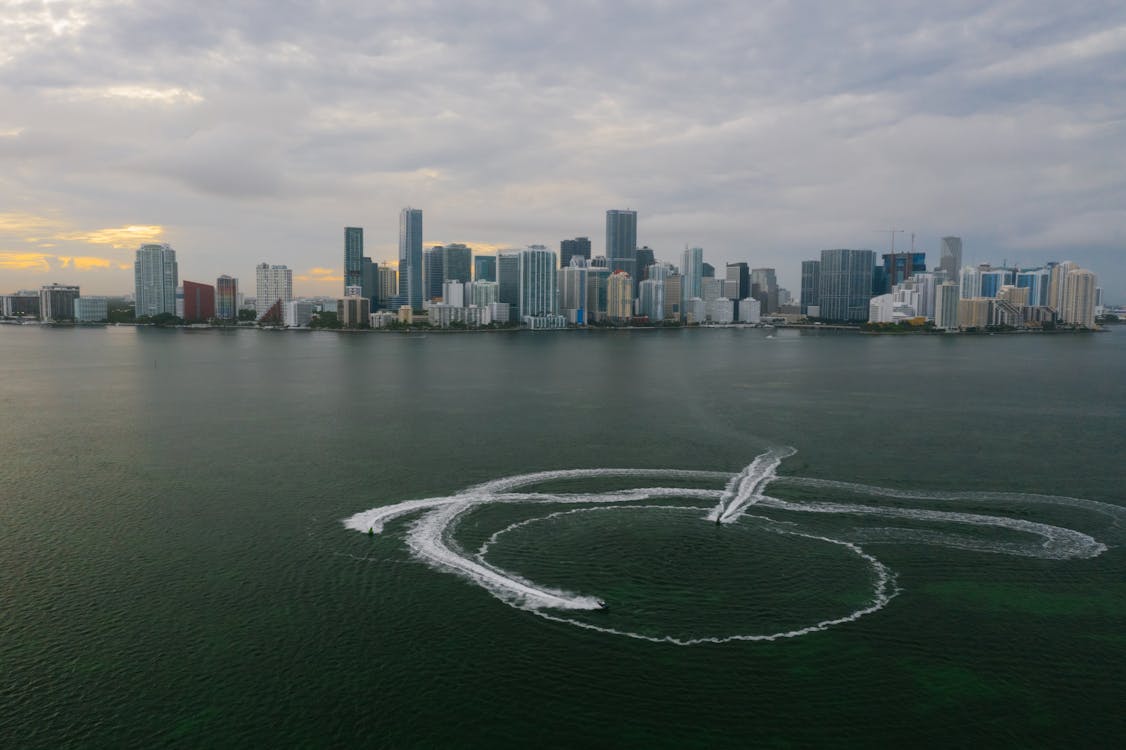
What This Means for Buyers and Owners
If you are buying in a new development on Brickell Key, Sunny Isles Beach, or another prime waterfront stretch, the buyout wave is a medium-term tailwind, not a reason to overpay today. As aging buildings around your tower are gradually replaced by ultra-luxury product over the next 10 to 20 years, the overall quality of the neighborhood rises, which tends to support values in newly delivered buildings nearby. That is real context for why developers keep investing in these exact locations instead of cheaper greenfield sites. Just do not treat it as a near-term flip thesis: cycles are long and any single project can disappoint. When I help a buyer, I run the same fundamentals I cover in my Miami preconstruction buyer's guide and weigh the real carrying numbers in my breakdown of what owning a Miami luxury condo actually costs.
If you own in an older building in a prime location, the calculus is different and more immediate. A buyout approach is not a normal resale, and the protections under Florida law are specific. Consult a qualified Florida real estate attorney before you engage, confirm the proposed per-unit valuation against recent comparable sales and the building's replacement value, and understand that a termination can take months or years. The same structural-inspection and reserve pressures that push a building toward a buyout also show up in my read on Miami's two-speed condo and house market, where older condo inventory and new construction are pulling in opposite directions.
The buyout wave is the clearest signal in the market of where Miami's value really sits: in the dirt under the best buildings. Expect more island and oceanfront towers to change hands this way over the next decade. Whether you are buying new or sitting on an older unit someone may want, reach out and I will price the land-versus-building math for you, line by line.
"In the best locations, the land is worth more than the building on it. That single fact is what drives every condo buyout, and it is the lens I use to price both new towers and the older units around them."Gerardo Gonzalez, Luxury Dade Group at Compass
Frequently Asked Questions: Miami Condo Buyouts

Prefer to talk? Call me at (305) 964-8614 or WhatsApp.
Sources: The Real Deal (2024 Sunny Isles Beach buyout of ~132 million dollars, ~1 million dollars per unit; April 2026 Brickell Key negotiation, 134-unit building, ~1.5 million dollars per unit, ~200 million dollars total; Brickell Key hotel implosion April 2026); Florida Statutes Section 718.117, Online Sunshine (condominium termination, 80% owner vote, 5% rejection threshold). Information is compiled from sources deemed reliable but not guaranteed; verify current figures with your own advisors.
Last verified June 4, 2026. This article is for informational purposes only and does not constitute legal, financial, or investment advice. Owners and buyers should consult a qualified Florida real estate attorney regarding specific transactions.