Miami Construction Financing 2026: Which Pre-Construction Condos Still Get Built
On June 8, 2026, MG Developer and Vertical Developments closed a $100 million construction loan for Alhambra Parc in Coral Gables, per PROFILEmiami, even as Miami Today reports new construction is slowing under high rates and costs. I'm watching capital concentrate in lower-density, design-led projects in supply-tight submarkets, not the big speculative towers. Before you put down a deposit in 2026, confirm the project's construction loan has actually closed.
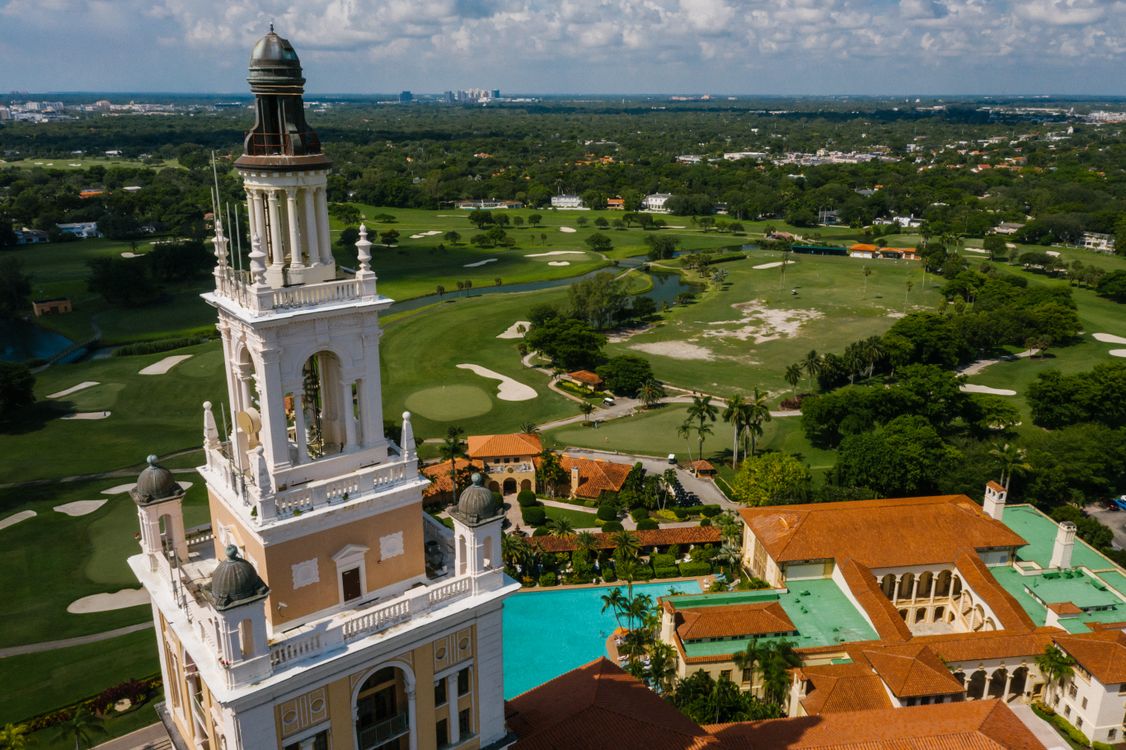
A closed construction loan is the moment a Miami pre-construction project stops being a sales effort and becomes a building. That is why the Alhambra Parc financing matters beyond Coral Gables. MG Developer and Vertical Developments secured $100 million from Benmark Capital on June 8, 2026, for a 74-residence mixed-use project at 33 Alhambra Circle. It is MG Developer's 10th project in the city. In a year when lenders have grown cautious, a loan closing is the clearest proof a tower will rise.
The backdrop makes that proof more valuable. Miami Today reports the region is feeling a construction slowdown after more than a decade of growth, with high interest rates and rising construction costs choking new development. That does not mean nothing gets built. It means lenders are selective, and the projects that clear underwriting share a pattern. For buyers, the question in 2026 is no longer just price or view. It is whether your deposit sits behind a project a bank was willing to fund.
What a Construction Loan Closing Actually Tells You
"The first question I ask a client about any pre-construction tower is not the price per foot. It's whether the construction loan has closed. Until a bank funds it, the timeline on the brochure is a hope, not a commitment."Gerardo Gonzalez, Licensed Real Estate Agent at Compass
A construction loan is the financing a developer draws on to physically build a project after pre-sales and equity are in place. Lenders do not write that check casually. Before a loan like the one at Alhambra Parc closes, the underwriter has tested the sponsor's track record, the project's pre-sale contracts, the developer's equity, and the exit math at completion. When that closing is announced, it tells a buyer the project cleared every one of those tests.
Alhambra Parc: The Financing Facts
- Location: 33 Alhambra Circle, Coral Gables
- Loan: $100 million construction loan, closed June 8, 2026
- Lender: Benmark Capital (private real estate equity)
- Developers: MG Developer + Vertical Developments
- Program: 74 luxury residences, ~13,000 SF office, ~18,000 SF retail
- Significance: MG Developer's 10th project in Coral Gables
- Source: PROFILEmiami, June 8, 2026
Notice the shape of the deal. This is not a 90-story speculative tower. It is a mid-density, design-led mixed-use project from a developer with a decade-plus track record in one zip code, financed by a private equity lender rather than a syndicated bank group. That profile is exactly what is still getting funded in 2026.
Why Miami Construction Slowed in 2026
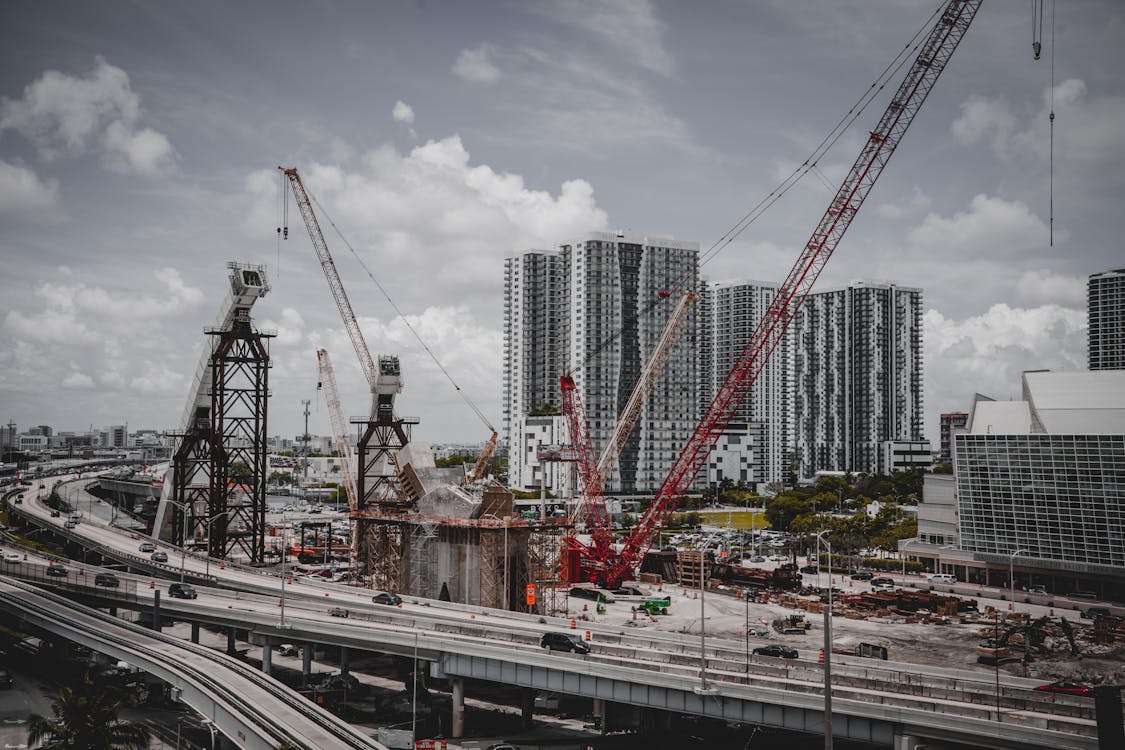
For most of the past decade, the constraint on Miami development was land, not money. That has flipped. Miami Today reports the slowdown is now driven by the cost of capital and the cost of building. Three forces are squeezing projects at the financing stage:
- Higher interest rates: construction loans price off short-term benchmarks, so a tower that penciled at 2021 rates can fall apart at 2026 rates.
- Construction cost inflation: materials, insurance, and labor have stayed high, raising the equity a developer must inject before a lender will commit.
- Tougher underwriting: lenders now demand higher pre-sales and stronger sponsors, so weaker projects stall before breaking ground.
The result is a thinner pipeline, not an empty one. Projects with deep pre-sales, well-capitalized sponsors, and disciplined budgets still close their loans. The Alhambra Parc closing is one data point. It sits in a market where, broadly, Miami luxury still posts record pricing even as sales volume cools, which keeps well-located new product attractive to the lenders that remain active. For buyers, the practical effect is a wider gap between projects that will get built and projects that are still chasing financing. Telling them apart is the whole job, and my area-by-area list of what is actually rising in Miami-Dade is where I start.
This is also why I push clients toward the step-by-step pre-construction process rather than the brochure. The deposit schedule, the escrow protections, and the loan status matter more in a tight-credit year than the amenity deck. A beautiful rendering with no closed loan behind it is a risk, not an opportunity.
The Five Signals a Project Will Get Built
After watching which Coral Gables, Brickell, and Edgewater projects cleared financing this cycle and which stalled, the same checklist keeps separating them. None of these is proprietary. Each one is verifiable in public records or trade press before you sign a contract.
What Financed Projects Have in Common
- A closed construction loan: reported by trade press and recorded as a mortgage in Miami-Dade County records.
- A repeat sponsor: a developer with delivered projects nearby, like MG Developer's 10 in Coral Gables.
- Strong pre-sales: enough signed contracts and deposits to satisfy the lender's threshold.
- Disciplined density: projects sized to the submarket rather than maximum buildable height.
- An active building permit: issued or in late review with the city, not just a rendering.
Run any pre-construction project against those five and the picture clears fast. A project that checks all five, the way Alhambra Parc does, carries real completion confidence. A project missing two or three is a gamble on the developer's ability to raise capital in a market where capital got expensive. The same discipline applies whether you are looking at a boutique Coral Gables condo or a tower in the urban core.
This checklist also reframes how you read good news. A sales-launch headline tells you a developer wants to build. A loan-closing headline tells you a lender agreed to fund it. In 2026, the second headline is the one worth acting on. For the broader financing mechanics on the buyer side, my pre-construction mortgage guide covers how your own loan timing should line up with the developer's.
What This Means for Your Deposit
In a pre-construction purchase, your deposit, often 20 percent or more spread across milestones, sits with the developer for years before you hold keys. In a low-rate, easy-money cycle, completion risk felt abstract. In a tight-credit year, it is concrete. The single best protection is buying into a project whose construction loan has already closed, because the financing risk is largely behind you.
Deposit Due Diligence Checklist
- Confirm the loan closed: ask for the lender, amount, and closing date, then verify the recorded mortgage.
- Read the escrow terms: know which deposits are held in escrow versus released to the developer.
- Check the permit: a building permit issued by the city signals the project is past paper.
- Vet the sponsor: a developer with completed local projects is a safer counterparty.
- Map the timeline to your loan: align your own financing with the projected closing window.
None of this requires insider access. A loan closing is reported by trade outlets such as PROFILEmiami and The Real Deal and recorded publicly in Miami-Dade County. A permit status is a phone call to the city. The work is in actually doing it before you wire money, not after. For the carrying costs that follow completion, my breakdown of the true cost of owning a Miami luxury condo covers the HOA, insurance, and tax math that matters as much as the purchase price.
Where rates and credit are tight, the projects clearing these bars also tend to be the ones in supply-constrained, design-led submarkets. That is not a coincidence. Lenders fund where they believe values hold. For buyers, the practical move is to follow the financing, then evaluate the unit, rather than the reverse.
Where the Money Is Still Flowing
Even in a tighter market, demand-side capital has not vanished, and that is part of why lenders still fund the right projects. International buyers remain a structural source of demand for South Florida new construction, which gives well-located, brand-led developments a deeper buyer pool to pre-sell into. Geography of that demand stays concentrated in Latin America:
- Colombia: a leading share of international buyer volume
- Argentina and Mexico: consistent top-tier sources
- Brazil: durable demand, often inflation-hedging capital
- Venezuela: a steady presence in the luxury segment
For these buyers, a developer's track record and a project's financing both function as trust signals, especially for foreign nationals buying from abroad who cannot walk the site weekly. A closed construction loan is something they can verify from another country. That is one more reason the projects securing financing in 2026 tend to be the ones with strong pre-sales: they are selling into a buyer base that rewards proof over promises.
The lesson runs both ways. Lenders fund projects with deep, credible pre-sales, and credible pre-sales come from sponsors buyers already trust. The Alhambra Parc closing reflects that loop working in a supply-tight, repeat-developer submarket.
Gerardo's Take: Follow the Financing
Buy with confidence when: the construction loan has closed and is recorded, the sponsor has delivered projects nearby, pre-sales are strong, the project is sized to its submarket, and a building permit is active. That is the Alhambra Parc profile, and it is the profile of nearly every Miami project I have watched reach completion this cycle.
Slow down when: the only public milestone is a sales launch, the developer is new to the market, the project leans on maximum density to pencil, or no one can point you to a closed loan or an issued permit. In an easy-money year those gaps got papered over. In 2026, they are where deposits get stuck.
The construction slowdown Miami Today describes is not a reason to avoid pre-construction. It is a reason to be selective inside it, and my shortlist of the best Miami pre-construction condos is built on exactly that filter. The capital that remains is going to disciplined projects from proven developers in submarkets where values hold, exactly the kind of deal the Alhambra Parc closing represents. Your job as a buyer is to make sure your deposit sits behind that kind of project.
That is the whole strategy in one line: in 2026, follow the financing, then evaluate the unit. If you want help confirming whether a specific Miami pre-construction project has actually closed its construction loan and pulled its permits, that verification is exactly what I do for clients before they sign.
Frequently Asked Questions
Want a pre-construction project's construction loan and permits verified before you sign?
Contact Gerardo Gonzalez for a Project CheckPrefer to talk? Call me at (305) 964-8614
Explore All 15 Miami Pre-Construction Projects for 2026 →
Construction loan and project facts as of June 10, 2026, per PROFILEmiami and Miami Today. This article is for informational purposes only and does not constitute financial or investment advice.