Luxury condos that went under contract in Miami-Dade during the week of June 29 to July 5, 2026 had spent an average of 139 days on market, according to The Real Deal, against a 99-day average across all Miami-Dade luxury listings in that same report. What I am seeing on the ground is a top end where absorption has slowed sharply while prices hold, so a well-priced trophy unit still moves and a stale, overpriced one just sits. My advice to sellers right now: price to the current comp, not the 2022 peak, and to buyers, use the long days-on-market count as leverage.

Here is the number that tells the real story of Miami's high end in mid-2026: 139 days. That is the average time a luxury condo spent on the market before going under contract during the week of June 29 to July 5, according to The Real Deal's weekly report on Miami-Dade luxury contracts. Nine luxury homes went to contract that week for a combined 88.9 million dollars in asking volume, and the two condos among them averaged a 21.7 million dollar ask. The market is still transacting at the very top, but it is transacting slowly, and the gap between a fast sale and a stalled listing has never been wider. Set this against the wider South Florida housing market data for 2026 and the pattern is unmistakable.
This is an absorption story, not a price story. Asking prices at the top are holding: the two condos that found buyers that week were still asking 4,400 dollars per square foot on average, per The Real Deal, and 1,098 Miami-Dade listings asking 4 million dollars and up were on the market. What has changed is how long it takes to clear a unit and how much inventory is stacked up waiting. In oceanfront submarkets the pile is deep, and that is reshaping negotiating power for anyone buying or selling above 3 million dollars. A trophy launch like The Delmore in Surfside sells on a different curve than a 15-year-old resale tower, and knowing which curve you are on is the whole game.
What 139 Days on Market Really Tells You
A balanced residential market carries between six and nine months of supply, per MIAMI REALTORS. Days on market is the finer-grained cousin of that supply figure: it measures how long an individual listing waits for a buyer. At the entry level of Miami real estate, well-located condos still trade in weeks. At the luxury end, the clock runs very differently. The 139-day average for condos that went to contract in early July is a full 40 days longer than the 99-day average across all the high-end listings in that same weekly report, which tells you the most expensive product is exactly where the friction concentrates.
Look at what those numbers do together. The two condos that went to contract asked an average of 21.7 million dollars, or about 4,400 dollars per square foot, and 1,098 luxury listings were sitting on the market behind them. Asking prices at the top are holding, not falling. Yet the listings that make up that top tier are taking four and a half months on average to find a buyer. That combination, firm asking prices plus slower absorption, is the signature of a market where sellers refuse to discount and buyers refuse to overpay, so transactions simply take longer to negotiate into existence.
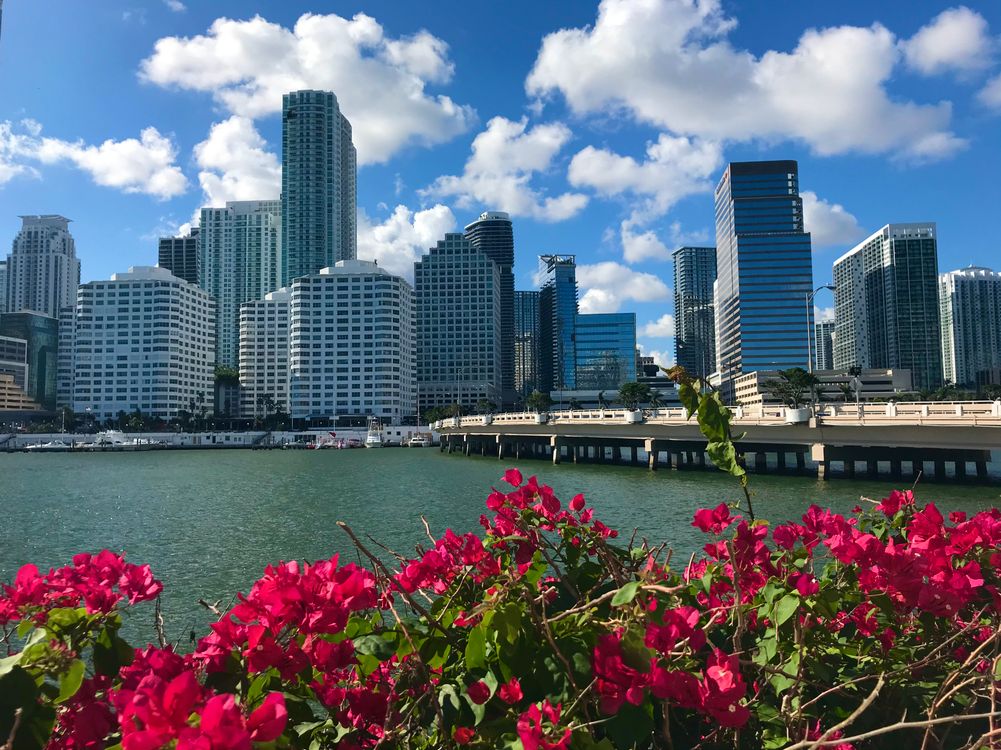
The inventory buildup is not being driven by distress. It is the steady drip of investors who bought during the 2021 to 2023 boom now testing the market, plus a wave of completed new-construction units reaching resale for the first time. Nobody is dumping. Sellers are listing at aspirational numbers, waiting, and only trimming when carrying costs finally force the issue. That patience is exactly why days on market keeps stretching.
Where the Inventory Is Deepest: Oceanfront Above 3 Million
The absorption slowdown is not evenly spread across Miami. In my experience it concentrates in the oceanfront resale segment above 3 million dollars, and that is my read from working these buildings rather than a published submarket figure. The county condo market as a whole carried 12.3 months of supply in June 2026, per MIAMI REALTORS, well past the six to nine months that defines balance, and the oceanfront resale towers I track sit at the slow end of that average rather than the fast end. Where a submarket holds that much standing inventory, sellers are competing against each other for a thin pool of qualified buyers, and that competition is what drags out the calendar. Brickell tells the opposite story on new branded product, where the Mercedes-Benz Places Tower 2 sales launch opened to demand the oceanfront resale stack has not seen in a year. The verified pricing and construction status behind that launch sit on the Mercedes-Benz Places building page.
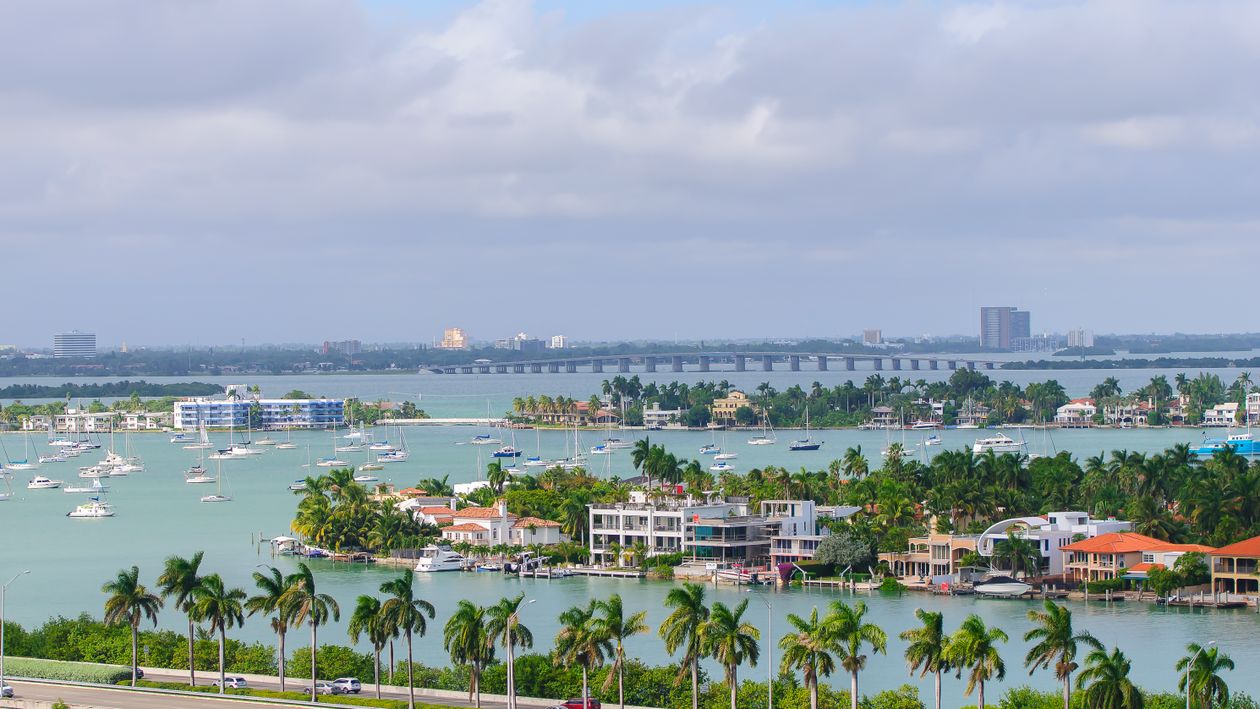
Why the oceanfront and not, say, Brickell or Edgewater? Three forces stack up. First, this is where the 2021 to 2023 buyers concentrated their trophy purchases, and a share of them are now sellers. Second, insurance and reserve costs have risen sharply in older oceanfront towers after Florida's structural-safety reforms, which thins the buyer pool for any building over roughly 15 years old. Third, the ultra-high-end simply has fewer buyers to begin with; a 10 million dollar unit is a different, smaller market than a 1 million dollar one, so even a normal number of listings translates into a big months-of-supply figure.
The practical read for a buyer: the deeper the local inventory, the more leverage you carry. In a submarket sitting on more than a year of supply, you are not one of a dozen bidders. You may be the only serious offer a seller has seen in weeks. That is a fundamentally different negotiation than the one buyers faced at the 2022 peak, and it rewards patience and preparation over speed.
What Still Sells Fast: Brand Equity and New Construction
The flip side of a slow market is that not everything is slow. Even at the very top, well-positioned product is still going to contract, and the pattern of what moves tells you exactly where demand is durable. Look at the week of June 29 to July 5: a buyer signed for a Four Seasons Residences unit at the Surf Club asking 31.5 million dollars, and in Sunny Isles a trust closed on a unit at the Estates at Acqualina South Tower for 11.4 million dollars. These are not distressed trades. They are brand-name, amenity-rich addresses that buyers still compete for.
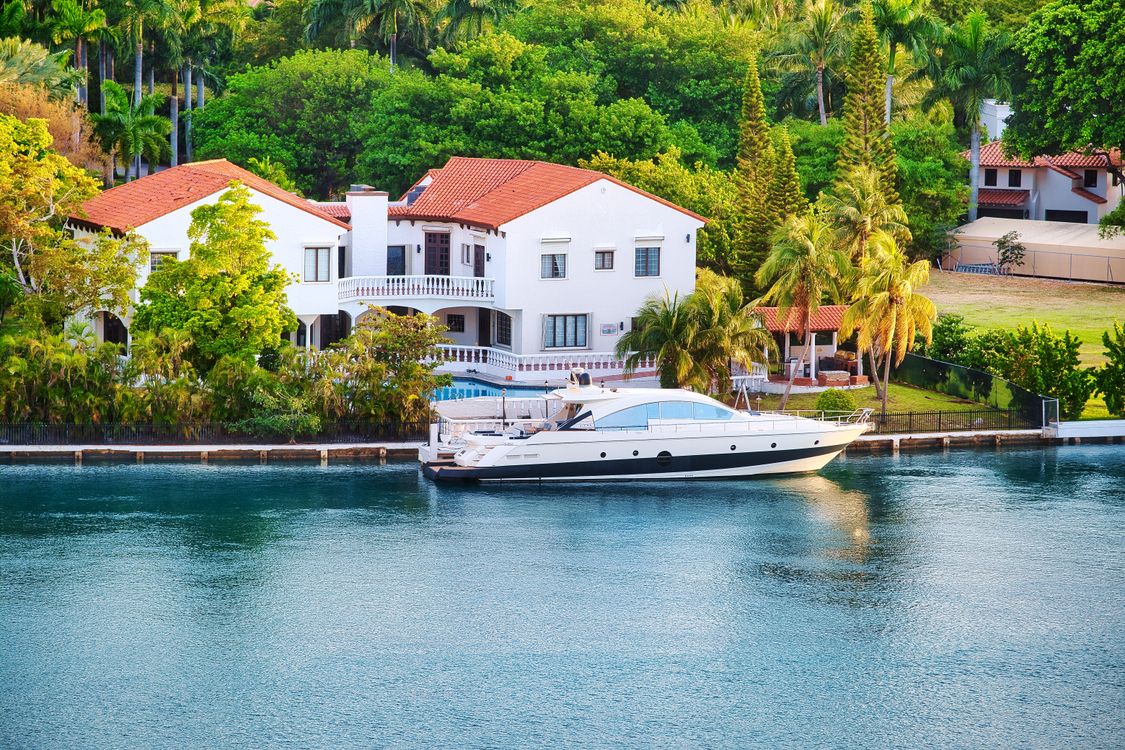
The dividing line is brand equity and building age. New and branded product carries current building codes, brand-new developer warranties, and fully funded reserve accounts, so a buyer takes on none of the special assessment risk that haunts older towers after Florida's structural reforms. That certainty is worth a premium, and it is why a Baccarat, a St. Regis, or a Four Seasons unit clears while a comparable 2008-vintage tower a block away sits. Buyers are paying up for peace of mind on the true cost of ownership, not just the square footage.
For sellers, the lesson is uncomfortable but clear: if you own aging resale product, you are competing against new construction that offers a cleaner risk profile, and the market is pricing that difference in real time. For buyers, the opportunity is on the resale side, where the deepest inventory and the longest days on market create the room to negotiate that branded new construction simply will not offer.
How to Play a Slow-Absorption Luxury Market
Whether you are buying or selling at the top of the Miami market in 2026, the 139-day reality changes your playbook. Here is how the most prepared people on both sides of the table are approaching it.
- Buyers: use days on market as your anchor. On a luxury resale unit that has sat 120 days or longer, ask your agent for the full listing history, including any prior price cuts. A seller who has carried taxes, insurance, and HOA dues on an empty unit for four or five months is motivated whether or not the list price has moved yet. That history is your leverage to negotiate 5 to 10 percent off plus concessions.
- Sellers: price to the current comp, not the peak. The single most expensive mistake in this market is anchoring your list price to a 2022 sale. A unit priced correctly on day one sells faster and nets more than one that chases the market down through three reductions over 200 days. Get a real, recent comparable-sales analysis before you list, not an aspirational number.
- Separate the price story from the absorption story. The condos that found buyers that week were still asking 21.7 million dollars on average, per The Real Deal, so this is not the time to expect a fire sale. What you can expect is time and negotiating room. Do not confuse a slow market with a falling one; they call for different tactics.
- Weigh brand and building age above almost everything. A branded, new-construction unit with funded reserves carries less risk and sells faster than an aging resale tower with special-assessment exposure. If you are buying to hold, that risk profile matters more than a lower headline price per square foot.
- Match your timeline to the submarket. In a submarket carrying more than a year of supply, a buyer can afford to be patient and a seller cannot. Know which side of that math you are on before you set expectations, and let the local inventory figure, not a citywide headline, drive your strategy.
The Window This Opens
Markets are defined by moments of transition, and Miami's luxury segment is in one right now. The shift toward slower absorption and deeper inventory has handed buyers above 3 million dollars a level of negotiating power that did not exist 18 months ago and is unlikely to persist once the standing inventory clears. When you are the only serious offer a seller has seen in weeks, terms that would have been unthinkable at the peak become achievable.
The reason this is a window and not a collapse is that Miami's demand drivers remain structural. The steady inflow of wealth from the Northeast, California, and abroad, much of it from international buyers drawn by Florida's tax environment, keeps a floor under the top of this market. That is precisely why asking prices at the top are holding even as absorption slows. The buyers who look back on 2026 most favorably will be the ones who understood that 139 days on market was not a warning to stay away but an invitation to negotiate.
A 139-day market is not a falling market, it is a patient one. The advantage goes to whoever brings the better data to the table: sellers who price to today's comp, and buyers who use the calendar as leverage.