Florida condo insurance premiums fell by double digits in 2026 as 2022 and 2023 reforms took hold and carriers returned, per Citizens. What I am seeing on the ground is that the sharpest luxury buyers now read a building's master policy and reserve study before they read the price, and use insurance exposure to negotiate. Underwrite the coverage first: newer concrete towers insure cheaper, and a weak policy is a documented reason to move price.

For three brutal years, insurance was the quiet killer of Miami condo deals. It drove HOA fees up, blew holes in reserve budgets, and sent buyers running from otherwise beautiful buildings. In 2026 the story is turning. Florida property insurance premiums fell by double digits as 2022 and 2023 legislative reforms took hold and carriers came back to the state, per Citizens Property Insurance. But the smart move is not to celebrate and stop paying attention. It is to fold insurance into your true cost of ownership math and use it as a negotiation lever.
Here is the shift I am watching in real time. A year ago, buyers asked me about the view and the finishes first. Now the sharpest ones open with the building's master policy, its deductible structure, and whether a special assessment is coming. Insurance stopped being a back-office line item and became front-of-mind due diligence. That change matters because coverage cost flows straight through to your monthly fee, and in a buyer's market it is a documented, defensible reason to negotiate the price.
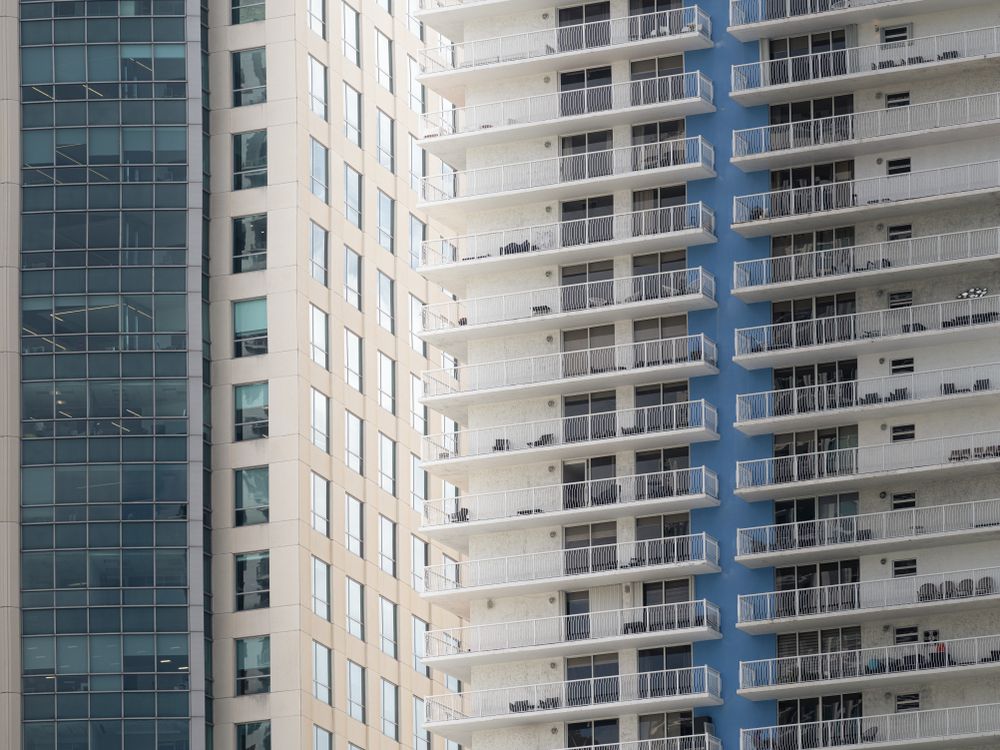
Why Premiums Fell, and Why That Does Not End Your Homework
Start with what actually changed, because it explains why the relief is uneven. A wave of Florida legislative reforms in 2022 and 2023 curbed the litigation and roofing-claim abuse that had chased carriers out of the state. As lawsuits dropped and reinsurance costs eased, insurers returned and competition returned with them, pushing 2026 premiums down by double digits, per Citizens Property Insurance. But the benefit is not spread evenly. Newer concrete-and-block towers built to current code price far better than older buildings, which still face high premiums and the reserve demands of Florida's SB 4-D law. The gap between the two profiles is exactly where a buyer wins or loses:
| Insurance & Risk Factor | Newer Tower (post-2015) | Older Tower (1970s-80s) |
|---|---|---|
| Master premium trend | Falling / stable | Still elevated |
| Reserve funding (SB 4-D) | Usually funded | Often catching up |
| Special-assessment risk | Lower | Higher |
| Effect on resale value | Supported | Can soften |
The Insurance Questions I Make Every Buyer Ask
Before I let a client fall in love with a unit, we pull the building's paperwork. These are the documents and questions that turn insurance from a surprise at closing into a number you can underwrite in advance:
- The current master policy and its renewal history: A recently renewed policy at a stable or lower premium is a green light. A policy up for renewal, or one that has spiked, tells you the monthly fee could move against you. Read the wind and flood coverage limits, not just the headline premium.
- The deductible structure: Hurricane deductibles are often a percentage of insured value, which can mean a large out-of-pocket hit shared across owners after a storm. A building carrying that risk with thin reserves is a special assessment waiting to happen. The condo financial-health guide is where I start every review.
- The reserve study and SB 4-D status: Florida's SB 4-D law requires milestone inspections and funded reserves for older buildings. Confirm where the building sits. The SB 4-D and special assessments guide explains what a compliant building looks like.
- Any pending or anticipated special assessment: Ask directly, in writing. An undisclosed assessment is the single most expensive surprise a condo buyer can inherit, and it is a legitimate basis to renegotiate or walk.
- Your own HO-6 unit-owner policy quote: The master policy covers the building; you insure your interior and liability. Price your HO-6 for that specific building before you offer, so the full carrying cost is on the table, as the true cost of ownership guide lays out.
"I have watched two buyers look at the same tower and reach opposite decisions once they read the master policy and the reserve study. Insurance is no longer a footnote at closing. For me it is the first document I pull, because it tells you whether the price on the listing is the real price or just the starting point."Gerardo Gonzalez, Licensed Real Estate Agent at Compass
How to Turn Insurance Into a Price Negotiation
This is where the falling-premium story becomes money in your pocket. Miami-Dade is still a buyer's market in much of the luxury segment, and roughly 38.7 percent of residential sales closed all-cash in May 2026, per Miami Realtors, so disciplined buyers hold leverage. When the documents show a high deductible, an elevated master premium, or a looming assessment, that is not a reason to panic, it is a documented basis to ask for a price reduction or a seller credit toward the assessment. You are negotiating the true cost of ownership rather than the sticker, which is the tier of the market where the sharpest buyers now win. Average Miami high-rise HOA fees already run over $1,900 a month, second only to Manhattan, so every recurring dollar you shave off carrying cost compounds for as long as you own.
How to Act on the 2026 Insurance Shift
The practical path is straightforward. Treat a building's insurance the way you treat its foundation: something you inspect before you commit, not after. Pull the master policy, the deductible structure, the reserve study, and the SB 4-D status, price your own HO-6 for that building, and only then anchor an offer on real comparable closings. Favor newer, well-reserved construction unless an older building's numbers genuinely work after the assessment risk is priced in. Use the new developments tracker to compare live inventory where the insurance and reserve picture tends to be cleaner. The falling-premium headline is good news, but the buyers who benefit most are the ones who still do the homework. If you want me to pull a specific building's insurance and cost picture before you make an offer, reach me directly at (305) 964-8614.
Frequently Asked Questions

Prefer to talk? Call me at (305) 964-8614 or WhatsApp.