LuxuryDade tracks Miami pre-construction towers that mostly hand over keys in 2029 or later, and the financing question for those buyers is not today's rate. Mortgage rates reached 7.42 percent in November 2026, the highest since 2020, per the MIAMI REALTORS October 2026 report, whose chief economist expects the Federal Reserve to keep raising into early 2028. My advice is to qualify for the delivery year, not for the signing day.
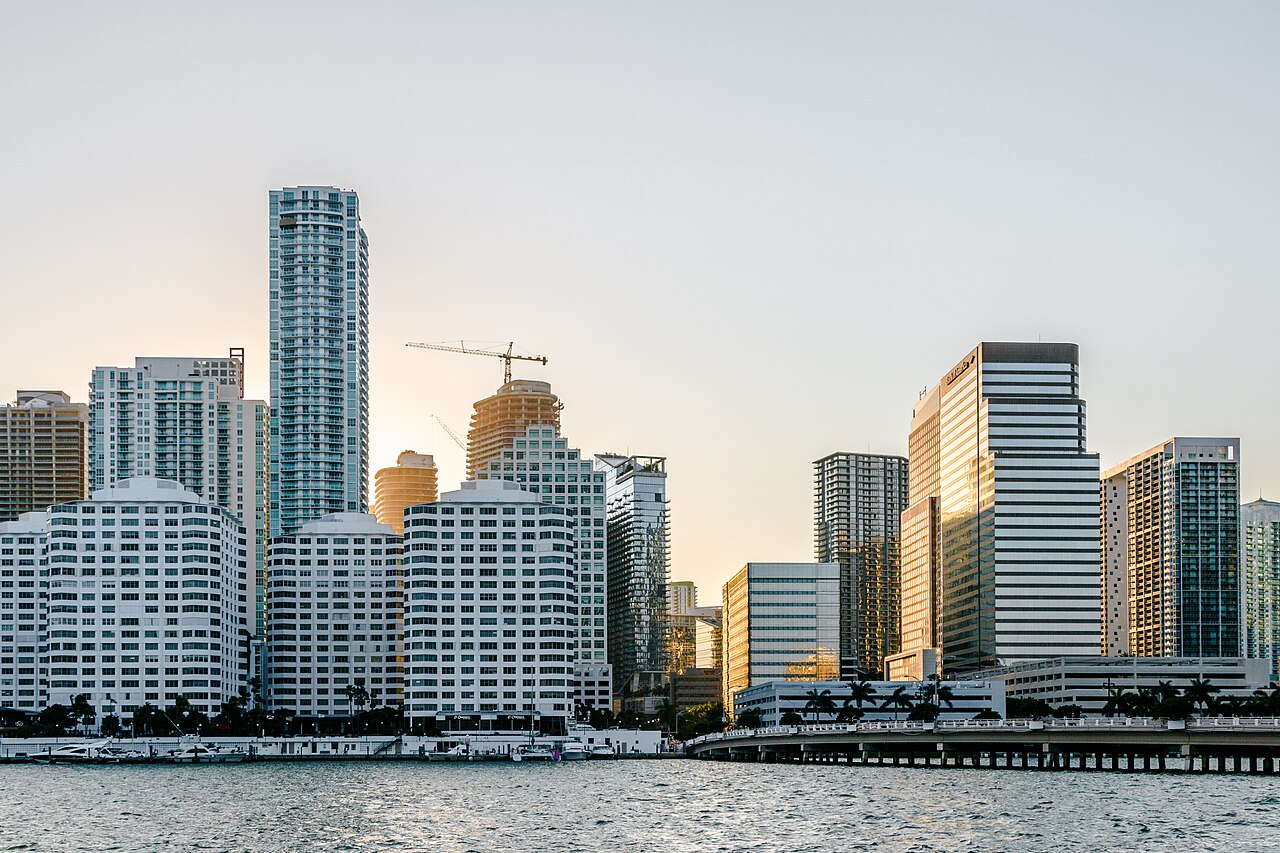
A Miami buyer who signs a pre-construction contract this month is making a decision about 2029. The tower is a hole in the ground, the deposits run on a ladder written into the developer's agreement, and the mortgage that completes the purchase will be underwritten three or four years from now by a lender who has not met you yet. That is the gap nobody prices at the sales gallery. The October 2026 Miami-Dade resale statistics released on November 16 by MIAMI REALTORS and RWorld set the backdrop, and they are worth reading before you sign anything. If you are new to the format, start with the buyer's guide to Miami pre-construction and the step-by-step buying process.
The Rate Number Behind the October 2026 Miami Report
Mortgage rates hit 7.42 percent in November 2026. That is the highest reading since 2020, setting aside one month in 2023, and it is close to a full percentage point above where rates sat in June. The MIAMI REALTORS and RWorld chief economist, Gay Cororaton, expects Miami sales to stay subdued through year-end and expects the Federal Reserve to keep raising rates into early 2028. That last part is a forecast rather than a fact, and it is the part a pre-construction buyer should take seriously, because it describes the window in which the 2029 loan gets priced.
The national series most Miami lenders quote against is the weekly survey published by Freddie Mac, and the national sales context comes from the National Association of Realtors. Neither of them tells you what you will pay in 2029. Nobody can. What they do tell you is that the cheap-money assumption that sold a lot of Miami contracts between 2020 and 2022 is no longer the working assumption, and a contract underwritten on that assumption has a hole in it.
Why Today's Rate Is Not the Rate You Will Borrow At
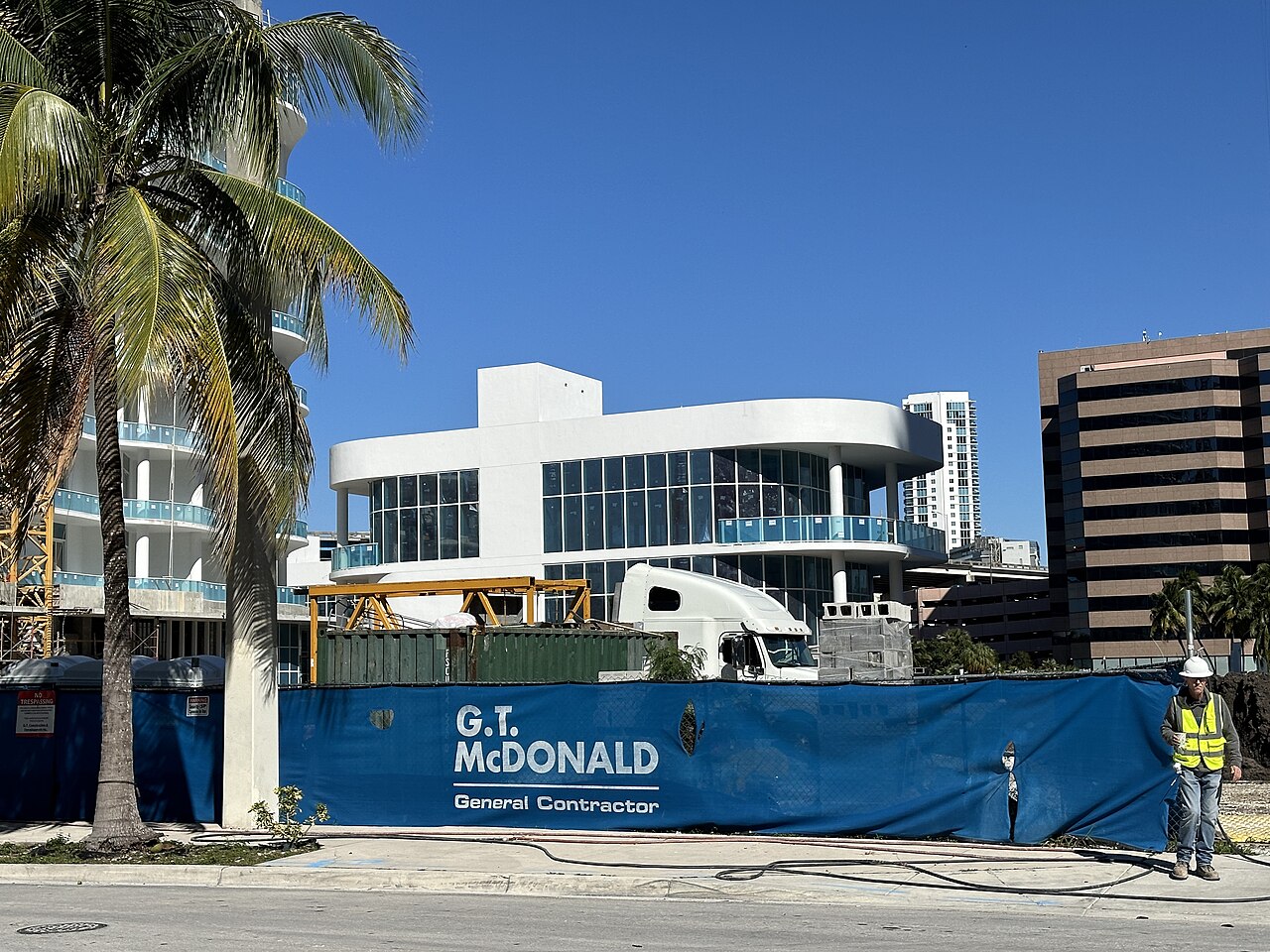
A pre-construction purchase separates two things that a resale purchase keeps together. The price is agreed now. The loan is agreed later. In between sits a deposit ladder, typically paid in stages from reservation through groundbreaking, and none of those payments involves a lender. The underwriting happens in the weeks before closing, which for a tower launching sales in 2026 usually lands in 2029 or 2030. Your income, your debts, your assets and the prevailing rate are all read on that later date.
The second thing that moves is the appraisal. The lender will value the finished residence at delivery against then-current comparables, not against the price you agreed in 2026, and the loan is sized from the lower of the two. That is why I make buyers model the full carrying cost and the financing together rather than as separate conversations. The jumbo rate picture matters here too, because most Miami pre-construction pricing sits above the conforming limit.
| Miami-Dade Metric, October 2026 | Single-Family | Existing Condo |
|---|---|---|
| Months of supply | 5.4 | 12.7 |
| Share of closings paid in cash | 25.8% | 48.4% |
| Median sale price | $706,000 | $397,500 |
| Median days from listing to contract | 42 | 70 |
| Median percent of original list price received | 96% | 94% |
| Closed sales, October year over year | -11.8% | -9.57% |
Source: MIAMI REALTORS and RWorld October 2026 Miami-Dade statistics, released November 16, 2026. Miami-Dade total dollar volume fell 11.41 percent year over year to $1.7 billion.
Nearly Half of Miami's Condo Buyers Never See a Rate Sheet
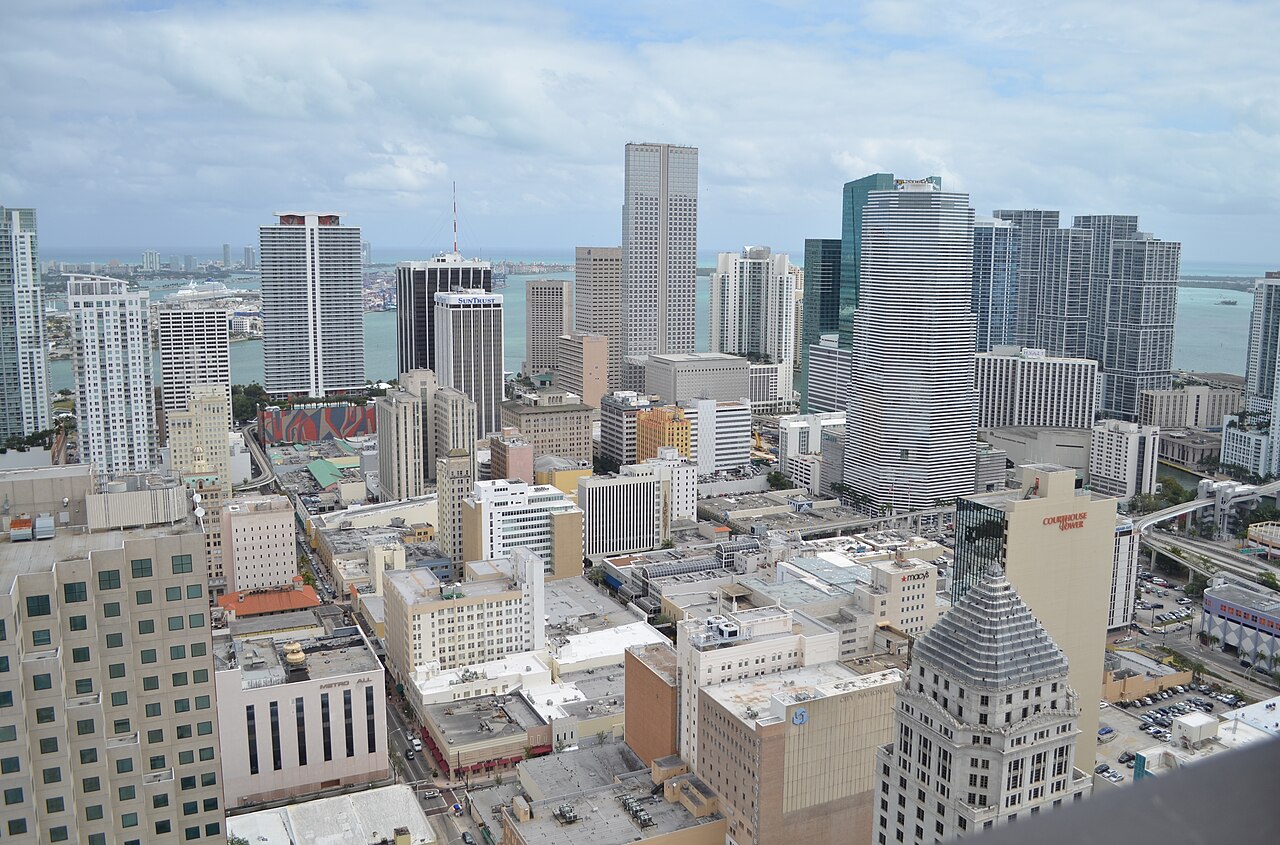
Cash accounted for 48.4 percent of Miami existing condo sales in October 2026 and 37.9 percent of all Miami closings, against roughly 29 percent nationally in the latest National Association of Realtors figures. Single-family cash share was 25.8 percent, so the concentration sits in condominiums. That is the competitive fact behind a rising rate: a large share of the buyers you are bidding against are not affected by it at all, which is also why a rate move does not pull Miami condo prices down the way it does in a market financed at 90 percent.
For a financed buyer this cuts both ways. In the resale market, where 12.7 months of supply gives you room, certainty is worth more than price, which is the same pattern I wrote about in the Broward cash data. In pre-construction, the cash majority matters less at the contract stage, because everyone posts deposits, and matters a great deal at delivery, when the buyers who need a loan are the only ones exposed to whatever 2029 looks like.

What the October 2026 Miami Numbers Do Not Cover
Here is the limit on every figure above, stated by the publisher itself. The MIAMI REALTORS and RWorld sales totals leave out South Florida's new construction, pre-construction and condo conversion sales, because those transactions are largely not reported through the MLS. So 12.7 months of supply, 48.4 percent cash and a $397,500 median are all resale measures of Miami-Dade. They are the right backdrop for a pre-construction decision and the wrong number to quote as the pre-construction market.
- The 12.7 months of supply covers existing condominiums only, not a tower that has not been built.
- The $397,500 condo median is a county-wide resale midpoint, far below the entry price on a Brickell pre-construction contract.
- Condo inventory actually fell for a ninth straight month, down 5.30 percent year over year to 11,989 listings, so supply is loosening in months, not in listings.
- Closed sales dropped in October while the year to date still ran ahead of 2025, which is a timing story rather than a collapse.
- Deposit ladders, assignment rights and developer closing costs sit entirely outside this data set and are governed by the purchase agreement.
The honest framing is that Miami's resale condo market and its pre-construction market are now running on different clocks. One is being repriced by rates today. The other will be repriced by rates in 2029. My pre-construction financing guide walks through the deposit side of that in detail.
How I Underwrite a 2029 Delivery for Clients in 2026
When a buyer asks me whether 7.42 percent rates should stop them from signing, I ask two questions back. Could you close this residence at a rate a point higher than today, and could you hold it for a year if you had to? If both answers are yes, the rate is noise against a four-year horizon. If either is no, the contract only works on a forecast, and the deposit ladder will keep taking money long before anyone tells you whether the forecast was right. I would rather a client buy a smaller line in a stronger building than stretch into a residence that needs a rate cut to function.
"A pre-construction contract that only works at a lower rate is not a purchase plan. It is a bet on the Federal Reserve, and the deposit schedule keeps billing you either way."
Gerardo Gonzalez, Licensed Real Estate Agent at Compass
If you are weighing a specific Miami tower this quarter, send me the contract and the price sheet. I will map the deposit ladder against the projected delivery date, show you what the loan has to look like in that year, and tell you plainly if the numbers only work on a rate nobody has promised you.
Frequently Asked Questions
What is the mortgage rate in Miami in November 2026?
How do I qualify for a mortgage on a 2029 Miami delivery?
Is a Miami resale condo easier to finance than pre-construction?
What does Gerardo Gonzalez say about rate risk in Miami in 2026?
When should I lock a rate for a Miami pre-construction closing?