LuxuryDade tracks the former Miami Seaquarium site on Virginia Key, where Miami-Dade County filed a master plan on July 1, 2026 for Terra's redevelopment: more than 2 million square feet and 877 boat slips on 36.2 acres, according to The Real Deal. As of September 9, 2026 nothing is approved. State environmental regulators still have an open request for more information, and no county hearing date has been announced.

The Miami Seaquarium closed its doors and its second act just got its paperwork. On July 1, 2026, Miami-Dade County, acting on behalf of developer Terra, filed a comprehensive development master plan for the 36.2-acre Virginia Key site that contemplates more than 2 million square feet of development and 877 boat slips, according to The Real Deal. Days later, reporting confirmed Terra's marina application is in front of state regulators. For buyers, this is not a theme-park story. It is a waterfront infrastructure story, and I read it through my Miami pre-construction buyer guide lens: follow where the money for boats goes, because condo money follows it.
What Miami-Dade Actually Filed on July 1
The comprehensive development master plan amendment, filed by the county for the May 2026 cycle, is the document that sets the ceiling for what can ever be built on the site. According to The Real Deal, that ceiling is more than 2 million square feet of development and 877 boat slips on the 36.2-acre property at 4400 Rickenbacker Causeway. The county owns the land. Terra, led by CEO David Martin, acquired the previous operator's lease through a bankruptcy proceeding, and The Real Deal reported in July 2026 that the county was still negotiating a lease agreement with Martin.
The stated program is not a condo tower. Terra has committed to a new accredited aquarium without marine mammals, a fisherman's village of restaurants and shops, an education center, a public baywalk, and the marina. Martin told Islander News in July 2026 that Terra's vision is to invest more than $100 million in the property, above the $75 million to $100 million range in earlier reporting. The 2 million square foot figure is an entitlement envelope, not a rendering: it defines the maximum intensity the site could carry once the amendment, rezoning, and a special district are in place.
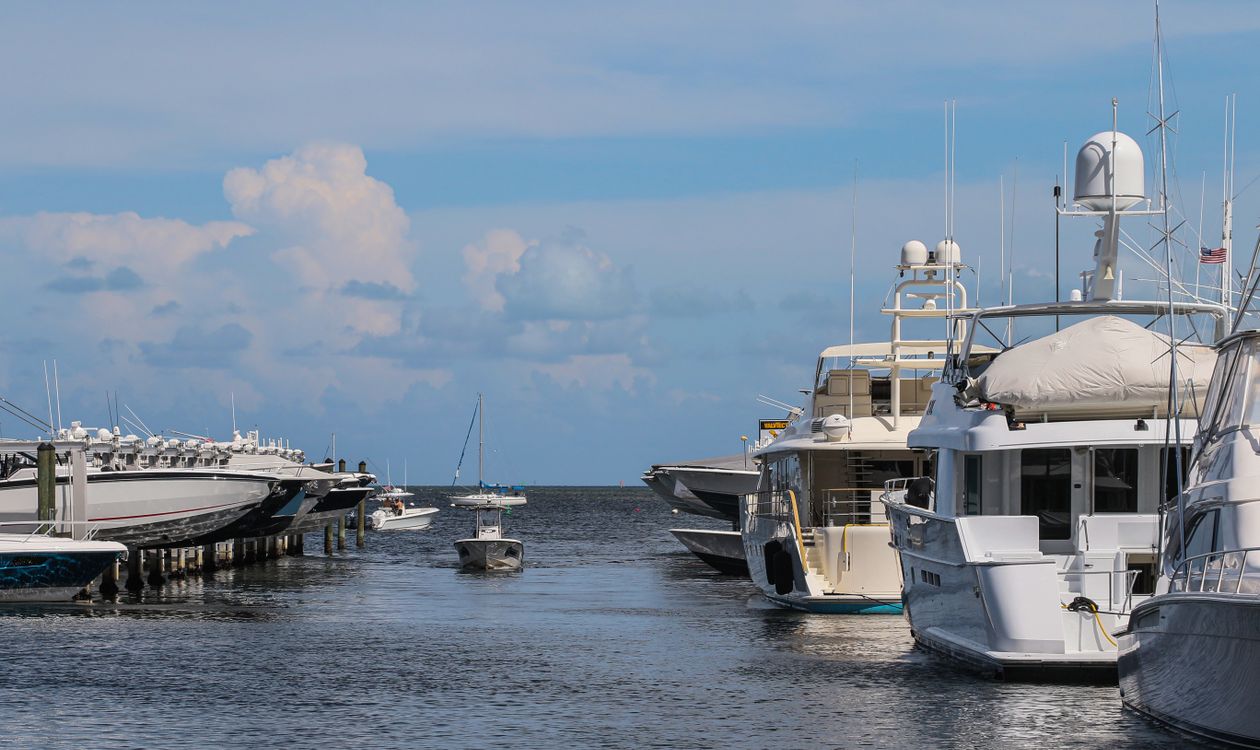
Why the two-step structure matters: the CDMP amendment is the slow, political document, and the marina permit is the fast, technical one. Terra is running both tracks at once. The marina application in front of the Florida Department of Environmental Protection is the part that turns dirt, or in this case water, first. When a developer sequences filings this way, it usually means the anchor use, here the marina, is the piece with a real pro forma behind it and the rest of the program flexes around it.
The Marina: 325 Wet Slips, a 500-Boat Dry Stack and a Disputed Label
The marina application submitted to the Florida Department of Environmental Protection is where the boat-size question lives. According to WUSF reporting on the filing, the plan calls for:
- 325 wet slips, with nearly 90 of them sized for vessels longer than 80 feet and accommodation for boats up to 200 feet.
- Dry stack storage for roughly 500 boats, the volume side of the business that serves everyday South Florida boaters.
- A fuel dock spanning more than 19,000 square feet, plus a fuel depot, which signals the operators expect large-vessel traffic, not weekend runabouts.
- Floating docks and finger piers extending roughly halfway across the channel that separates Virginia Key from the shallow flats.
- A wave break doubling as a fishing pier that runs the length of about four football fields.
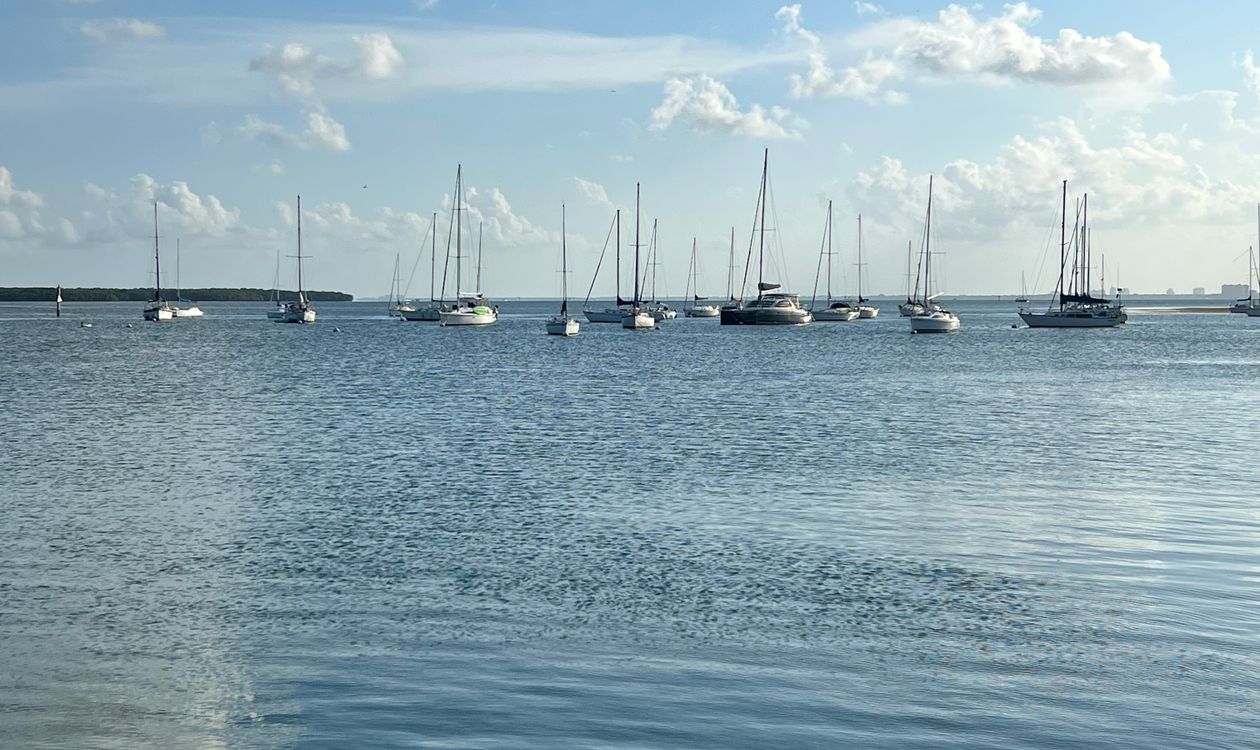
Scale matters here, and so does the label. The Real Deal reported the application could produce the largest marina in the county. Terra disputes the megayacht framing: the firm told Islander News in July 2026 that the marina "is not intended as a mega-yacht marina or a charter boat facility," and argued the real problem is public capacity, with roughly 50,000 registered boats in Miami-Dade against only about 1,000 public marina slips. My own read of the dockage market sits between those two positions: nearly 90 slips built for vessels over 80 feet is real large-boat capacity, and a 500-boat dry stack is everyday boater capacity, so the same basin can serve both. Either way, dockage is a carrying cost and a location decision at the same time, which is the logic I walk through in my true cost of ownership guide.
The Approval Gauntlet: What Stands Between Filing and First Piling
None of this is entitled yet, and the hurdles are real. The clearest way to read the project's risk is to line up each approval against who controls it and what could stop it.
| Approval | Who Decides | Status | The Risk |
|---|---|---|---|
| CDMP amendment | Miami-Dade Commission | Filed July 1, 2026 | Political, slow-cycle |
| Rezoning + special district | County boards and staff | Application under review | Conditions can shrink program |
| FDEP marina permit | State regulators | Gaps flagged on seagrass, dredging | Environmental review can cut slips |
| Biscayne Bay Aquatic Preserve protections | County charter, state and federal agencies | Unresolved; no Seaquarium referendum announced | Can force a redesign or a smaller basin |
The bottom two rows are the ones I would watch, and I want to be precise about the last one rather than overstate it. The county charter carries protections for the Biscayne Bay Aquatic Preserve, and the dock network reaching halfway across the channel puts the plan squarely against them, but no Seaquarium referendum has been called and Terra says the project is running through county, state and federal review rather than a public vote. The environmental review is where the plan is actually stuck. Regulators have asked for missing detail on wetlands, seagrass, coral, dredging, sewage pump-outs, fuel spills and water quality, according to Islander News. That request was still open on September 9, 2026.
What This Means for Key Biscayne, Brickell, and the Grove
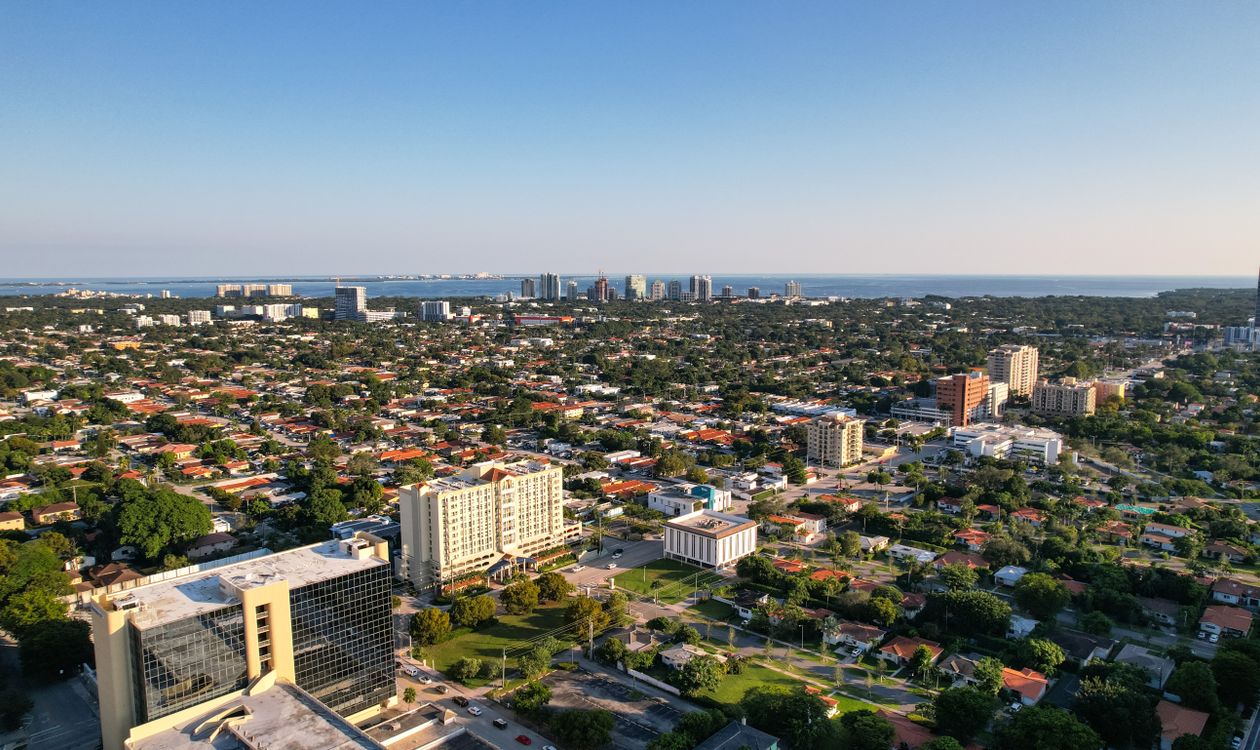
Virginia Key itself gets no condos out of this plan, and that is the point. The residential beneficiaries are the neighborhoods around it. Slips are infrastructure, and the size mix decides who they serve. Nearly 90 of the proposed wet slips are built for vessels over 80 feet, per the state filing, while Terra told Islander News the marina answers a public shortage of roughly 1,000 public slips against about 50,000 registered boats in Miami-Dade. When an owner can keep a large boat ten minutes from home instead of an hour up I-95, the addresses within that ten-minute run get more attention. Nothing here is approved, so treat that as a thesis, not a priced-in fact.
Map the run. Key Biscayne sits directly across the Rickenbacker from the site, and its luxury condo inventory is the closest established market to the basin. Brickell and its pre-construction pipeline are one causeway hop away. Coconut Grove's bayfront and Edgewater's new towers face the same water. A fisherman's village with restaurants also gives the island a reason to visit that it has not had since the Seaquarium faded, and public-facing waterfront amenities have a track record of pulling nearby residential pricing up rather than down.
My advice on trading this news is about timing, not location. Infrastructure stories price in twice: once when the plan becomes credible, and again when the cranes show up. We are at the first moment now. The approvals could take years, and the open state review could cut the slip count or stall the plan outright, so I would not pay a premium today for proximity to a basin that may never be built. What I do with clients in this situation is different: when a client asks me whether to wait on a Key Biscayne or Grove waterfront purchase, I tell them to buy the unit they would want even if the marina dies, and treat the Virginia Key upside as a free option. If the project clears the vote, that option pays. If it does not, they still own the water. For entry mechanics, my step-by-step buying process guide covers how to structure the purchase.
"Large-boat dockage is a leading indicator. The buyer who berths a 100-foot boat ten minutes from Brickell is shopping the same waterfront condos I sell. Watch where the dockage gets approved, not where it gets proposed, because only one of those two shows up in the comps."Gerardo Gonzalez, Licensed Real Estate Agent at Compass
What Changed Between July and September 2026
This page went up the week of the filing. Here is the sourced sequence since then, and the short version is that nothing has been approved.
- July 22, 2026: the volunteer group Friends of Biscayne Bay circulated a letter asking the applicant to "consider voluntarily withdrawing the current application and initiate a comprehensive community engagement and planning process, before pursuing permit approvals," according to Islander News.
- Terra declined to withdraw. The firm told Islander News the master plan is still being written and that it will take a complete proposal to the public rather than pause the permit track, and it rejected the megayacht label outright.
- Terra says no dredging is needed. The developer maintains dredging will not be necessary, per Islander News on September 9, 2026. That contradicts a common assumption in the early coverage, and the state has still asked for dredging detail.
- September 9, 2026: the Florida Department of Environmental Protection has an open request to Miami-Dade, which filed the permits on the developer's behalf, for more information on wetlands, seagrass, coral, dredging, sewage pump-outs, fuel spills and water quality. No permit has been issued and no county hearing date has been announced.
- The November referendum is a different project. Terra told Islander News the Rickenbacker Marina referendum covers a separate proposal on the opposite side of the causeway. Miami voters separately approved a 40-year Marine Stadium management deal in August 2026.
Last verified: September 16, 2026. Status above reflects reporting through September 9, 2026.
Frequently Asked Questions About the Seaquarium Redevelopment

Prefer to talk? Call me at (305) 964-8614 or WhatsApp.