A condo at the Four Seasons Residences at the Surf Club, bought for $18.4 million in 2024, is under contract asking $31.5 million in July 2026, a gain of over 70 percent in under two years, according to The Real Deal. My read is that this is a scarcity story on one branded building, not a market-wide flip signal. Buy trophy stock to hold, and treat any resale premium as upside.

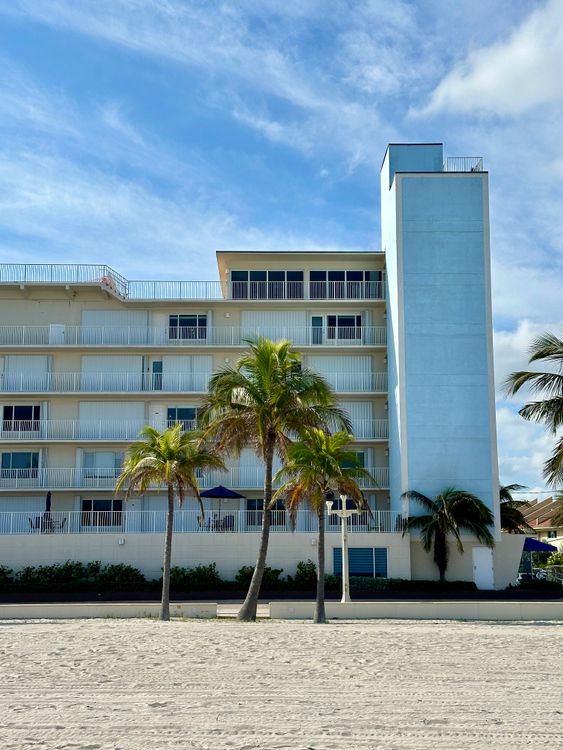
On July 6, 2026, The Real Deal reported that a single condo topped the entire Miami-Dade luxury market for the week: unit 1003 in the south tower at the Four Seasons Residences at the Surf Club, 9001 Collins Avenue in Surfside. The four-bedroom, four-and-a-half-bath residence spans 4,640 square feet and is under contract asking $31.5 million, roughly $6,800 per square foot. Here is the part that matters. An LLC named after the address paid $18.4 million for that same unit in the summer of 2024. In under two years, the seller is positioned to flip it for a gain north of 70 percent. That is a striking number, and it says as much about which buildings hold value as it does about the market as a whole. For the broader picture on buying before resale, see the Miami pre-construction versus resale data analysis and the Miami pre-construction buyer guide.
The Numbers Behind the Flip
Start with the raw figures, because they carry the whole story. Per The Real Deal (July 6, 2026), unit 1003-S at the Surf Club Four Seasons entered contract asking $31.5 million. An LLC named after the 9001 Collins address paid $18.4 million for it in the summer of 2024. That is a $13.1 million spread on paper before closing costs, brokerage commissions, and any interim carrying costs are subtracted, a gross gain of roughly 71 percent over about two years.
What makes the figure credible rather than aspirational is the price-per-square-foot. At $6,800 per square foot across 4,640 square feet, the unit is not asking a rounded-up trophy number. It is asking a per-foot rate that Surf Club resales have been printing, which is why a buyer signed a contract rather than letting it sit. The topped-the-week status is telling in itself: it was the single priciest luxury deal in all of Miami-Dade for the June 29 to July 5 window.
My advice on reading a number like this is to separate the building from the market. A 71 percent gain is not what the average Miami-Dade condo owner is seeing. It is what a supply-capped, operator-branded, direct-oceanfront residence can do when a well-timed 2024 entry meets a 2026 buyer who has almost nothing else to choose from at that tier. For how entry timing shapes resale math, the pre-construction versus resale analysis lays out the holding-period trade-offs.
Why the Surf Club Commands This Premium
A 71 percent flip does not happen in a generic tower. It happens because a handful of scarcity factors stack on top of each other in this one building. The Four Seasons Residences at the Surf Club sits on the Surfside beachfront, is operated by a top-tier hotel brand, was designed by Richard Meier, and holds a fixed, small number of residences that will never grow. When almost no comparable unit is available, a seller sets price instead of chasing it. Here is how those factors compare against a typical Miami luxury condo, based on public building data and Q1 2026 Miami Realtors context:
| Scarcity Factor | Surf Club Four Seasons | Typical Miami Luxury Condo |
|---|---|---|
| Hotel-brand operator | Four Seasons managed | Usually none |
| Location | Direct Surfside oceanfront | Bay or second-line |
| New supply being added | None (capped) | Often, competing towers |
| Resale asking (this unit) | ~$6,800 / sq ft | $1,000-$2,000 / sq ft |
| Comparable listings available | Very few | Many |
Surfside carries some of the highest sold prices of any Miami submarket, and post-Champlain Towers permit restrictions have kept new beachfront supply offline, which compresses the resale market further. That is the mechanism behind the flip: a buyer in 2024 was effectively buying a residence in a building that cannot expand. Two years later, the same scarcity that priced the unit at $18.4 million is what lets it ask $31.5 million. For international buyers weighing branded oceanfront stock, this is the case for buying the supply-capped building rather than the cheaper competing tower.
One Record Deal, a Thinning Overall Market
Here is the context that keeps this flip honest. The same week the Surf Club unit topped the market, Miami-Dade recorded only nine luxury contracts, per The Real Deal, down from 17 the week before, for a combined $88.9 million in asking volume. The two condos that entered contract averaged 139 days on the market. So the headline is a trophy building setting a record, while underneath it summer deal flow is thinning and marketing times are stretching.
That split is the real lesson for buyers and sellers. A record ask on one branded residence does not mean every luxury condo is appreciating 70 percent. It means the market is bifurcating: supply-capped, brand-operated, oceanfront stock behaves like a scarce collectible, while a well-located but non-branded unit can sit for four months and negotiate. When a Colombian client asks me whether Miami luxury is hot or cooling right now, my honest answer is both, depending entirely on which building you are talking about.
The buyer profile at this tier has not changed either. Cash buyers who had a liquidity event, Latin American families moving wealth into a hard dollar asset, and domestic relocators who have already decided on South Florida are the ones closing branded oceanfront deals. A mortgage rate near 6 percent does not stop a buyer wiring the full amount. Tax treatment varies widely by country of residence, and for a would-be flipper the holding-period rules matter as much as the entry price.
Should You Try to Flip a Branded Miami Condo?
This is the question the Surf Club headline raises, and my answer is more cautious than the number suggests. Here is the framework I walk clients through before they treat a branded residence as a flip rather than a home. For the full sequence from offer to closing, the Miami buying process guide covers each stage.
Only scarcity buildings behave this way. The 71 percent gain came from a building that cannot add supply, carries a Four Seasons operator, and sits on direct oceanfront. Most towers have none of that. If you buy a unit in a building with three competing towers going up nearby, the resale premium the Surf Club enjoys simply is not available to you.
Model the real net, not the gross spread. A $13.1 million paper gain shrinks after brokerage commissions, closing costs, and any carrying costs across the holding period. On a shorter hold, Florida and federal tax treatment of the gain can take a meaningful bite. Run the after-tax, after-cost number before you call anything a profit.
Buy something you would be happy to hold. The safest way to end up with Surf Club-style upside is to buy a genuinely supply-capped, brand-operated residence you would keep for five or more years, and let the resale premium be a bonus rather than the plan. If the flip does not materialize on your timeline, you still own an asset that holds value. Check the building's financial health and the true carrying cost before you commit.
Get a read on true comparables first. A single record ask is not a comp. Before you buy expecting a flip, you need the actual closed resales in that specific building, not the market-wide average. Call me directly at (305) 964-8614 and I will pull genuine Surf Club and comparable branded-oceanfront closings so your expectations are anchored to real data, not one headline.
"A 71 percent flip on one Surf Club unit is a scarcity story, not a strategy. I tell buyers to purchase a supply-capped branded residence they would gladly hold for five years, model the after-cost net before calling anything profit, and treat resale upside as a bonus. The buildings that flip are the ones you would never need to."Gerardo Gonzalez, Licensed Real Estate Agent at Compass
Frequently Asked Questions

Prefer to talk? Call me at (305) 964-8614 or WhatsApp.