The Mansions on Fisher Island, a single-family enclave by Madar Group USA, start at $34 million with only three of six homes left, according to the Miami Herald in June 2026. My read at LuxuryDade: the island's scarcest product is now the freestanding home with land underneath it, not the penthouse. Demand is real: Miami-Dade $1M-plus single-family sales jumped 26.7 percent year over year in May per Miami Realtors. Decide now between land and a condo, because buildable parcels are almost gone.

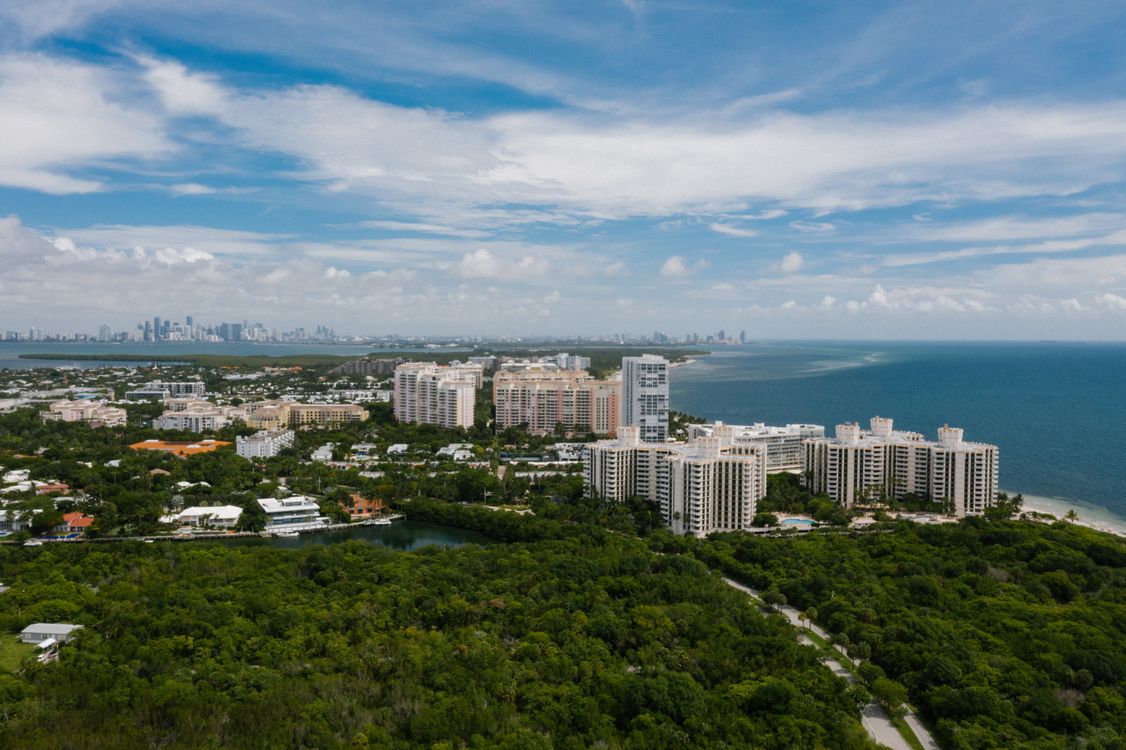
Fisher Island has been a condo island for forty years. You take the ferry across from MacArthur Causeway, and almost everything you see is a building: towers, low-rise condo clusters, a hotel. So when a French developer, Madar Group USA, started putting up six freestanding mansions on a 2.5-acre parcel, it changed what the island sells. The Miami Herald reported on June 16, 2026 that the project, called The Mansions, starts at $34 million and has only three homes left. I want to walk through why this matters, who is actually buying at this level right now, and what it tells the rest of us about where Miami's luxury market is heading. This is a market signal, not just a listing.
What The Mansions Actually Are
Here is the basic picture. Madar Group USA bought the land in 2024 and planned six mansions on a 2.5-acre site, per The Real Deal, which reported on May 26, 2026 that three were under contract and three remained for sale. These are freestanding, newly built single-family homes, not condo units, and that is the whole point. On an island where penthouses have set the ceiling for decades, the developer is selling something a penthouse cannot offer: the land beneath your feet. David-Emmanuel Cohen, the founder and CEO behind the project, has framed it as one of the last chances to own land on Fisher Island, because once The Mansions are finished, the space for new construction is gone.
The homes themselves lean into scale and security, two things ultra-wealthy buyers ask me about constantly. We are talking indoor and outdoor square footage that no island condo penthouse can match, multiple entertainment rooms, private pool areas, a gym, oversized primary suites and closets. For a buyer still weighing a tower instead of a house, I lay out the trade-offs in my South Beach penthouse guide. The selling point is not just the house, though. It is the island. A nine-hole golf course, a grocery store, a bank, a dry cleaner, a pizza place the kids like, and first responders are all a short walk or golf-cart ride away. You buy the home and you buy into a self-contained, invite-only community.
For international buyers who value privacy above almost everything, that combination of land ownership plus a gated island is rare in the United States. There is no second island like this being created. When supply is fixed and demand is global, prices tend to hold.
Why $34M Homes Are Selling Right Now
A $34 million entry price sounds detached from the broader market, but it is not. It sits on top of a Miami market that has been climbing for the better part of two years. According to MIAMI Association of Realtors, Miami-Dade total home sales rose year over year for the ninth consecutive month in May 2026. The luxury tier is where the heat is most concentrated: $1 million-and-above sales climbed 14.7 percent year over year, and single-family $1M-plus sales jumped 26.7 percent. South Florida now averages roughly one $10 million home sale per day.
"When the absolute top of the market is moving this fast, scarce, land-backed product like Fisher Island mansions is exactly where I tell buyers the value holds best."Gerardo Gonzalez, Licensed Real Estate Agent at Compass
The other half of the story is who is buying. Miami remains the country's number-one market for cash buyers. In 2025, 82 percent of Miami $1M-plus condo sales closed all-cash, and cash made up 38.7 percent of all Miami closed sales in May 2026, well above the roughly 25 percent national figure. Buyers at the Fisher Island level are operating on liquidity, not financing, so rising mortgage rates, which Freddie Mac put at 6.44 percent in May 2026, barely touch this segment. That is why a $34 million home with no comparable substitute can sell while more rate-sensitive parts of the market cool.
Inventory tells the same story from the supply side. Total Miami-Dade active listings fell 11.9 percent year over year in May 2026, and single-family inventory dropped more than 19 percent, putting single-family homes firmly in a seller's market at 5.2 months of supply. When the most exclusive product on a fixed-supply island meets a shrinking listing pool, pricing power sits with the developer.
Land vs Condo on Fisher Island: How to Think About It
Most of my Fisher Island conversations come down to one fork: do you want a condo with island access and amenities, or do you want a freestanding home and the land it sits on? Both are valid. They just answer different questions. A condo gives you a turnkey, lock-and-leave lifestyle with full building services. A mansion gives you privacy, control, and an appreciating land position that is functionally impossible to replicate once the island is fully built out. The table below is how I lay out the trade-off for buyers.
| Factor | Fisher Island Mansion | Island Condo |
|---|---|---|
| Ownership | Land plus structure | Unit plus shared common areas |
| Entry price | From $34M (The Mansions) | Wide range, often lower entry |
| Supply | Fixed, nearly sold out | Larger existing inventory |
| Privacy | Highest, freestanding | Shared building, shared walls |
| Maintenance | Owner-managed, higher effort | Building-managed, turnkey |
The reasons a buyer leans toward the mansion side usually cluster around a few priorities:
- They want a true single-family footprint, not a unit, on a secure private island.
- They view land on a fixed-supply island as the most durable store of value.
- They have the liquidity to close all-cash and are not rate-sensitive.
- They split time between cities and want a Miami base that feels like a home, not a hotel.
If you are comparing this against branded condo towers on the mainland, my guide to whether Miami branded residences are worth the premium is a good companion read, and for the running costs either way, see the true cost of owning a Miami luxury condo in 2026.
Why Global Money Keeps Choosing Miami
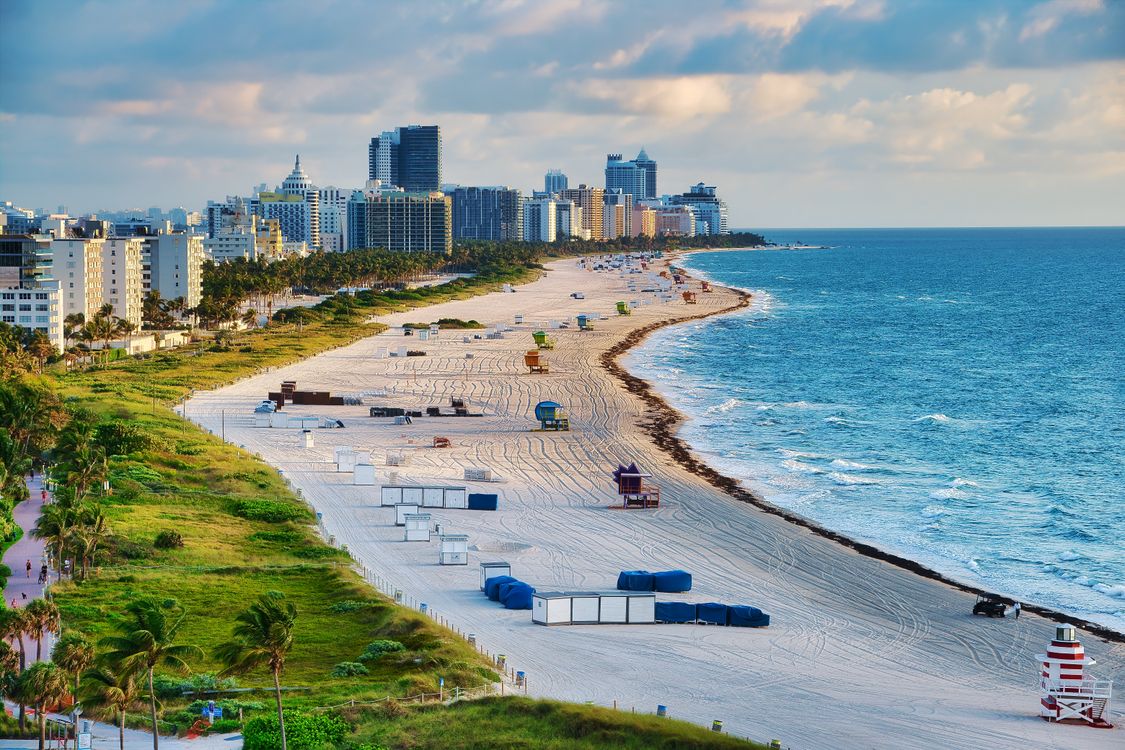
A buyer weighing $34 million in Miami is almost always weighing it against Monaco, New York, London, or a handful of other trophy markets. On a pure square-meter basis, Miami still wins. According to the 2026 Knight Frank Wealth Report, $1 million buys roughly 58 square meters of prime property in Miami, versus 16 in Monaco, 34 in New York, and 33 in London. For ultra-high-net-worth buyers measuring space per dollar, Miami delivers nearly four times what Monaco does. At the Fisher Island tier, that math compounds, because you are also buying land and privacy that the densest global cities physically cannot offer.
The fundamentals behind that demand are not soft. Miami-Dade homeowner equity gains run nearly double the national average, and a buyer who purchased a single-family home fifteen years ago holds median equity of about $560,790 versus $300,504 nationally, per MIAMI Realtors research. South Florida also ranks number one in the country for multifamily construction and number one for cash buyers. This is a market with deep liquidity, strong appreciation history, and a steady pipeline of new product, which is exactly the backdrop a developer wants when pricing the last three homes on a private island.
None of this makes $34 million a small decision. It does mean the price is anchored to real, verifiable market strength rather than hype. For a wider read on where the 2026 market sits, my Q1 2026 Miami market report and the Miami pre-construction buyer guide both go deeper on pricing, demand, and timing.
What This Signals for the Rest of the Market
You may never buy a $34 million home, and neither will most of my clients. The reason The Mansions matter to a wider audience is what they signal. When a developer can confidently price the last freestanding homes on a fixed-supply island at this level, and sell most of them, it tells you the top of the Miami market is healthy, cash-rich, and supply-constrained. That strength tends to flow downhill. Demand for trophy product on the islands supports pricing on the waterfront, which supports pricing in the prime neighborhoods, and so on.
For buyers shopping in more accessible tiers, the practical takeaway is timing. Inventory is tightening across Miami-Dade, single-family supply sits in a seller's market, and the cash-heavy buyer pool is not waiting on the Fed. If you are circling a purchase in a desirable area, the same scarcity dynamic playing out on Fisher Island is, in a milder form, working against buyers who wait. Before you commit anywhere, it is worth understanding how to evaluate a Miami building's financial health so scarcity does not push you into a weak asset.
"The story of Fisher Island isn't the price tag. It's that on a fixed-supply island in a cash-driven market, the buyers who move decisively are the ones who end up owning the irreplaceable assets."
The Mansions on Fisher Island are a clean example of Miami's defining trait: a global pool of capital chasing a limited supply of trophy real estate. Three homes left, $34 million to start, on the richest ZIP code in the country. Whether or not that is your price point, the forces behind it, scarce land, deep cash demand, and tight inventory, are shaping decisions at every level of the South Florida market in 2026.
Frequently Asked Questions