A home at 416 West San Marino Drive on the Venetian Islands sold for $42.5 million on July 13, 2026, up from $23.1 million in 2024, according to The Real Deal. In LuxuryDade's read, most of that 84% jump is completion, not appreciation: 2024 bought an unfinished shell, 2026 bought a finished 2025 build. Price the finished comp, never the shell comp.

A five-bedroom waterfront house at 416 West San Marino Drive on the Venetian Islands traded for $42.5 million on July 13, 2026. Two years earlier, the same address sold for $23.1 million. According to The Real Deal, the seller was Justin Korsant of family office Long Light Capital, and the buyer was an entity called 416 W San Marino LLC. A headline that reads "Miami Beach home nearly doubles in two years" is technically accurate and analytically useless, because the two sales were not the same product. For how I read comps generally, see my Miami pre-construction buyer guide and the Miami neighborhood guide.
The 84% Gain Is Mostly a Finished House, Not a Hot Market
Run the arithmetic and the number looks explosive: $23.1 million in 2024, $42.5 million in July 2026, a gain of $19.4 million or about 84 percent in roughly two years. No Miami Beach submarket appreciated 84 percent in that window. According to Miami Realtors market data, Miami-Dade luxury single-family sales have posted solid but far more modest year-over-year price growth. So the gap has to come from somewhere other than the market.
It comes from the house. The 2024 buyer bought an unfinished spec project. The 2026 buyer bought a completed 2025-built home with five bedrooms and eight and a half bathrooms across 6,400 square feet. Those are two different products at the same address. Somebody spent real money finishing it, carried the construction risk, paid the interest during the build, and absorbed the permitting timeline. The 84 percent is that work getting paid for, plus a developer margin, plus whatever genuine appreciation the Venetian Islands delivered in between.
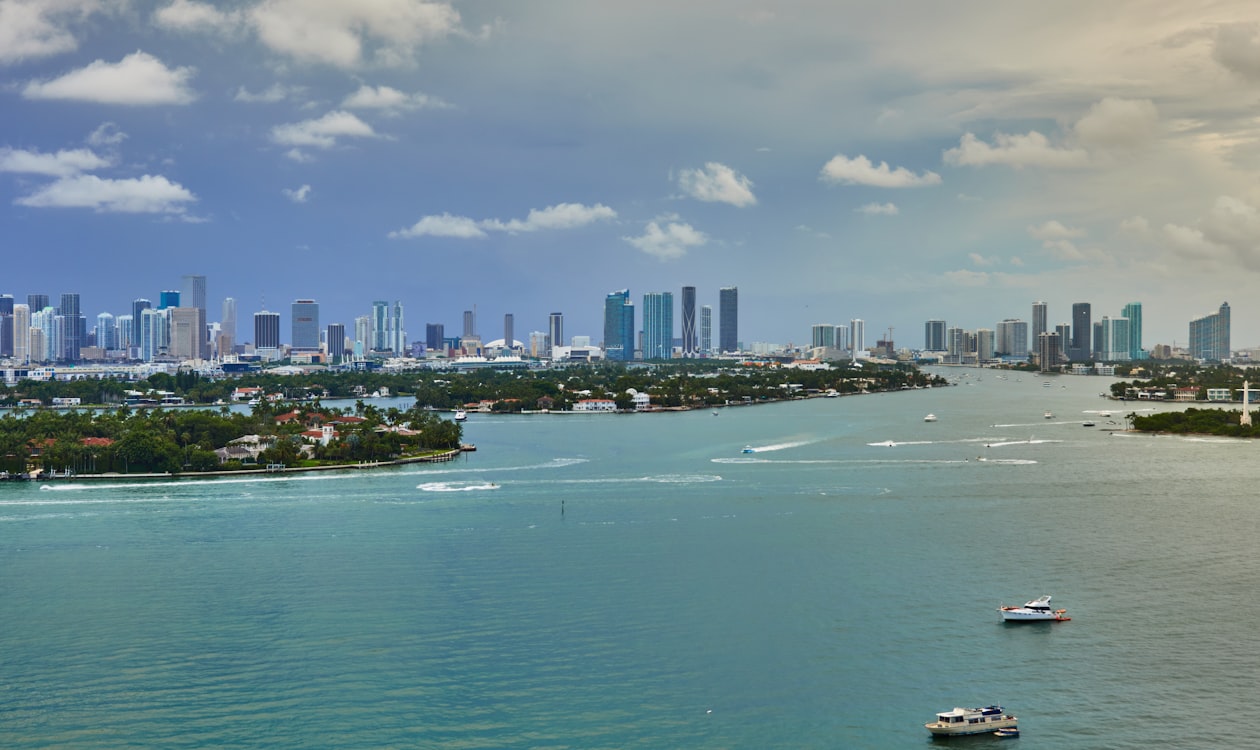
This distinction matters because a headline number gets recycled into comps. When a buyer tells me a Venetian Islands house "doubled in two years," I ask what condition each sale was in. Two trades at one address can describe two different assets. The honest read here is that a finished trophy house on the Venetian Islands is worth about $6,641 per square foot in mid-2026, and that an unfinished shell of the same house was worth about $3,600 per square foot in 2024. Both are useful. Neither one alone tells you the market doubled.
Why the Venetian Islands Support This Kind of Pricing
The Venetian Islands are a chain of six residential islands strung along the Venetian Causeway between Miami Beach and downtown Miami. San Marino is one of them. The relevant fact for pricing is simple: the islands are finished. Nobody is dredging new ones. The lot count is fixed, every lot that touches water already has a house on it, and the only way to add value is to tear down and rebuild, which is exactly what happened at 416 West San Marino Drive.
What buyers are paying for on these islands is a specific combination:
- Fixed lot supply. Six islands, a set number of waterfront parcels, and no mechanism to create more. Scarcity here is literal geography, not a marketing line.
- Water frontage with dockage. Direct bay or canal access with the ability to keep a boat at the house, which inland Miami Beach lots cannot offer at any price.
- Central position. The causeway puts Brickell and downtown minutes away in one direction and South Beach minutes away in the other. Few luxury addresses in the county sit between both.
- Low density by design. These are single-family islands, not a high-rise corridor. Neighbors are houses, not towers.
- Teardown economics that work. When land is the scarce input, spending $15 million to build on a $20 million lot still pencils, which keeps a steady supply of new product entering an old neighborhood.
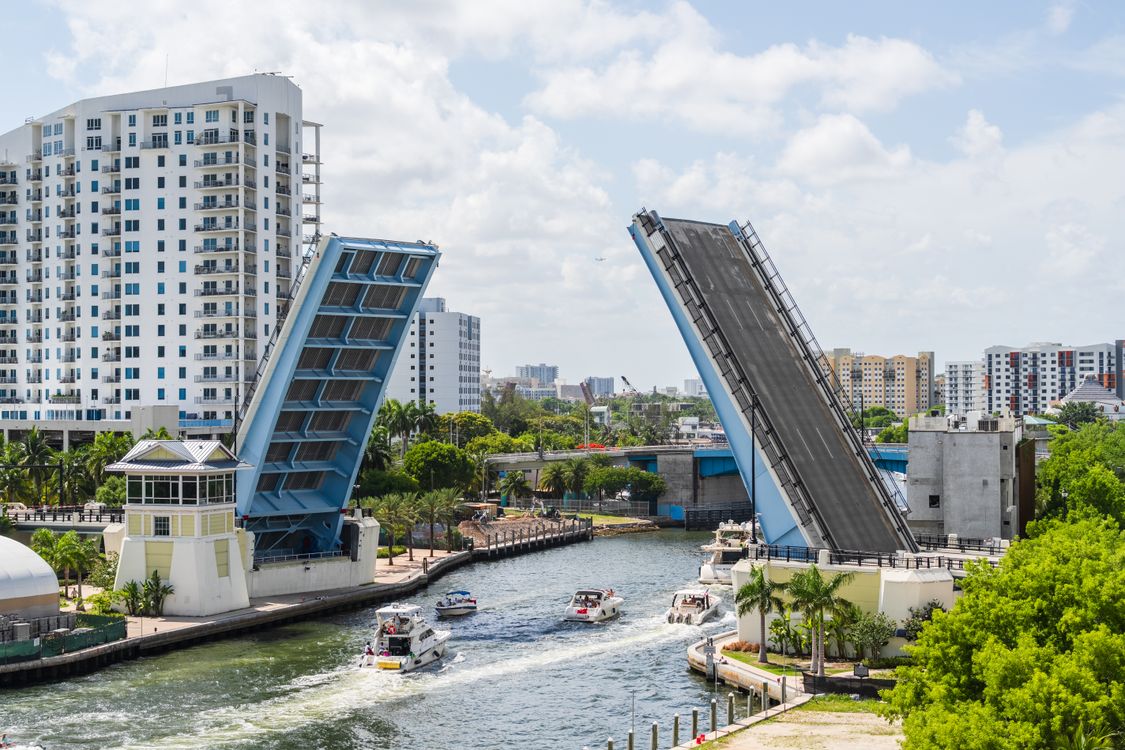
The flip side is that the same geography that creates the scarcity creates the carrying costs. Waterfront on these islands means seawall maintenance, flood insurance, and exposure that an inland house does not carry. For how those costs actually compound over a hold period, see my guide to the true cost of owning Miami luxury property.
The Same Address, Two Sales: What Actually Changed
The clearest way to read this trade is to put the two sales side by side. Same lot, same water, same island, two years apart, and a $19.4 million difference. What changed is the product and the risk the buyer was taking on.
| Factor | 2024 Sale | July 2026 Sale | What It Means |
|---|---|---|---|
| Price | $23.1M | $42.5M | $19.4M spread, about 84% |
| Condition | Unfinished spec build | Completed 2025 build | Different product, same lot |
| Approx. PSF | ~$3,600 | ~$6,641 | Finished product carries the premium |
| Buyer's risk | Build cost, permits, timeline | Move-in ready | Risk transfer is priced in |
Read the last column and the story stops being about a market that doubled. It becomes a story about who took the construction risk and what that risk was worth. The 2024 buyer bought a problem to solve. The 2026 buyer bought a solved problem, on 6,400 square feet, with five bedrooms and eight and a half baths already built. Roughly $19 million separates those two positions on the Venetian Islands in this cycle.
How I Would Use This Sale If You Are Buying on the Islands
The thing I tell buyers looking at island teardowns is that you are choosing between two completely different jobs, and the price gap between them is not a discount, it is a wage. Buy the shell and you are getting paid to be a developer: you manage the build, you eat the overruns, you wait. Buy the finished house and you are paying someone else for having done that. Neither is wrong. What goes wrong is when a buyer wants shell pricing and finished-house certainty in the same deal.
When a client brings me a number like this one to justify their own pricing, my first question is always the same: what condition was the comp in when it sold? On the Venetian Islands, where nearly every trade involves either an aging house, a teardown, or a new build, that single question moves valuations by millions. A 1950s house on a great lot and a 2025 new build on the identical lot are not comps for each other. They are comps for the land, and then you argue about the building separately.
My read for buyers right now: the land value on these islands is the durable part of the story and it is well supported, because the lot count cannot grow. The building value is the negotiable part, and it depends on who is carrying the risk of finishing it. If you are looking at an unfinished project, price the completion honestly, including the months you will not be living there, before you call it a bargain. If you want to walk through a specific island lot or teardown, call me at (305) 964-8614. For how buyers structure this kind of purchase, see my Miami pre-construction buyer guide.
"Two sales at the same address two years apart do not prove the market doubled. They prove somebody finished a house. Read the condition of every comp before you read its price, because on the Venetian Islands the land is the real asset and the building is the argument."Gerardo Gonzalez, Licensed Real Estate Agent at Compass
Frequently Asked Questions About the Venetian Islands $42.5M Sale

Prefer to talk? Call me at (305) 964-8614 or WhatsApp.