NYC Pied-a-Terre Tax Pushes Luxury Buyers to Miami: What It Means in 2026
New York City is weighing an annual pied-a-terre tax on homes worth $5 million or more owned by nonresidents, and Mansion Global reports experts expect it to slow the high-end second-home market there. What I see on the ground at LuxuryDade is more New York buyers asking about a primary Florida home, not a part-time one, because that is the move that actually changes their tax exposure. If you are weighing the shift, decide on relocation versus a second home first, then shop.
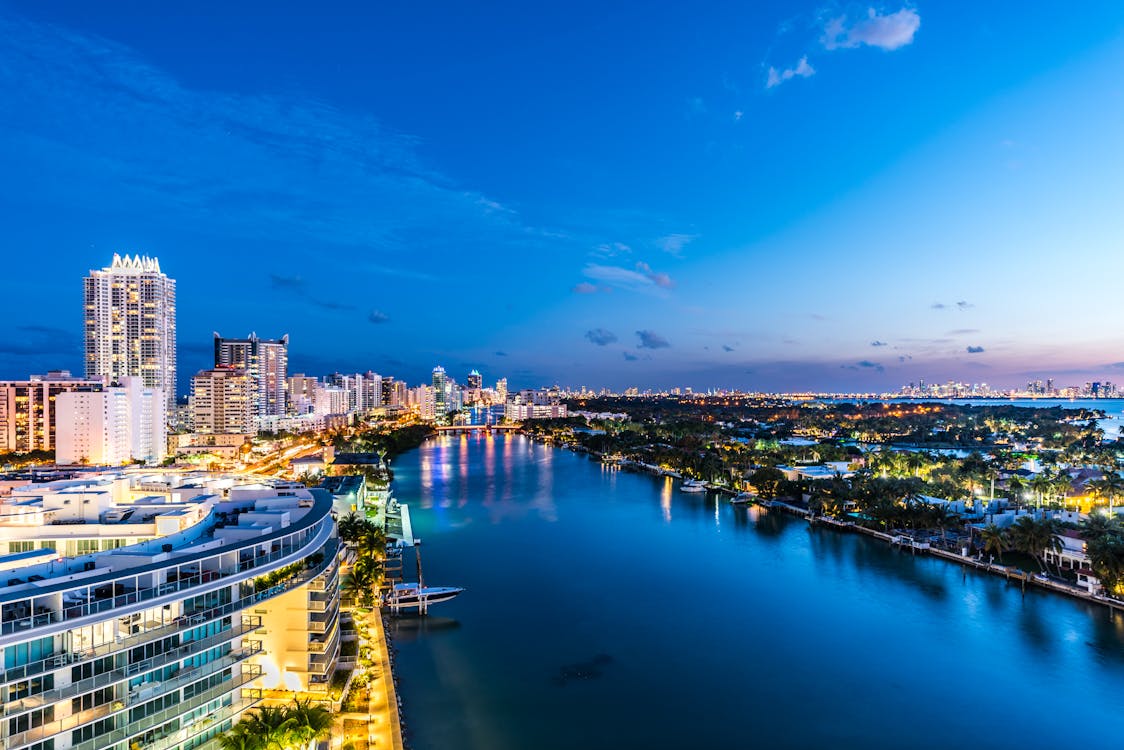
New York City has spent the last few years proposing new ways to tax its wealthiest property owners, and the latest one lands squarely on the kind of buyer Miami has been winning since 2020. A pied-a-terre tax would add an annual charge on homes worth $5 million or more held by people who do not live in the city full time. For owners of part-time New York apartments, that is a recurring carrying cost on top of an already expensive market. For Miami, it is one more reason a tax-sensitive buyer picks Florida. If you are mapping the broader move, my 2026 Miami pre-construction buyer's guide walks through the full process.
I want to be precise here, because the headlines blur it. As of June 2026 the pied-a-terre tax is a proposal, not law, and Mansion Global notes Manhattan's trophy market has actually stayed strong while the debate plays out, with 126 contracts signed for $10 million-plus homes year to date. But proposals shape behavior before they pass. The buyers I talk to are not waiting to see the final bill. They are deciding whether to make Florida their primary home now, while pricing and inventory still favor them.
What the Pied-a-Terre Tax Actually Does
The mechanics matter, because they decide who is affected and who is not. The proposal targets nonresident-owned homes above a $5 million threshold, which means it is aimed at second homes and investment apartments, not the primary residence of a full-time New Yorker.
| Scenario | Exposed to Pied-a-Terre Tax? | What Drives the Outcome |
|---|---|---|
| Keep NYC home as a part-time pied-a-terre | LIKELY YES | Nonresident-owned, above the $5M threshold. The proposal is designed to capture exactly this. |
| Buy a Miami second home, keep NYC primary | DEPENDS | If you stay a NYC resident, the NYC home is still your primary, so the tax may not apply, but you keep full NY tax exposure. |
| Relocate primary residence to Florida | NO | Full-time Florida residency removes the nonresident trigger and Florida has no state income tax and no pied-a-terre tax. |
Read down that table and the logic is clear. A pied-a-terre tax punishes part-time ownership, so the response that actually changes the math is a real relocation, not a vacation condo. This is why I keep telling New York callers that the question is not which Miami building, it is whether they are moving or just visiting. Confirm the residency rules with a tax professional, since the day-count and domicile tests are specific and unforgiving.
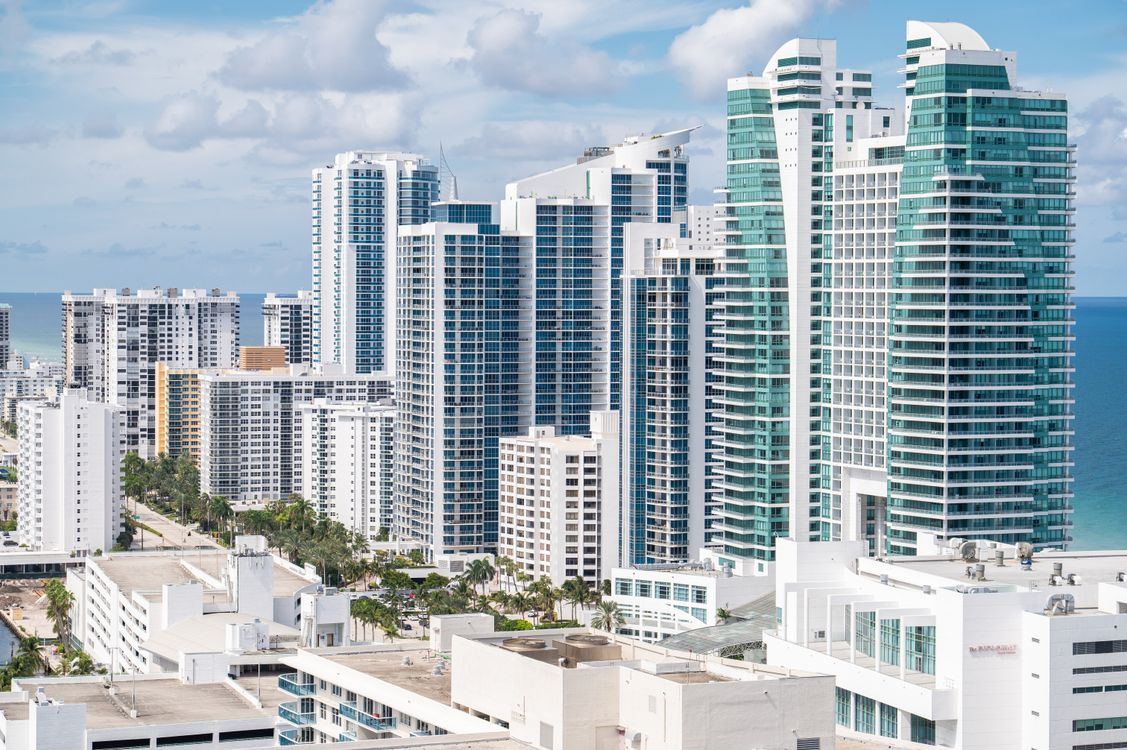
The dollars back this up. The New York Post reported that a single Miami Beach tower booked more than $70 million in sales from New York buyers in one month in 2026, before the tax debate even resolved. That is the kind of concentrated flow that tells you the migration is not hypothetical, and it is landing in specific submarkets rather than spreading evenly across the metro.
Where the New York Money Is Landing
The buyers moving from New York are not shopping Miami at random. They cluster in waterfront and branded product that reads as a credible primary home, not a rental flip: Brickell and Edgewater for a walkable, work-from-anywhere base, and Miami Beach and Sunny Isles for oceanfront towers with hotel-grade service. The common thread is a building they would actually live in full time, because that is what the residency play requires.
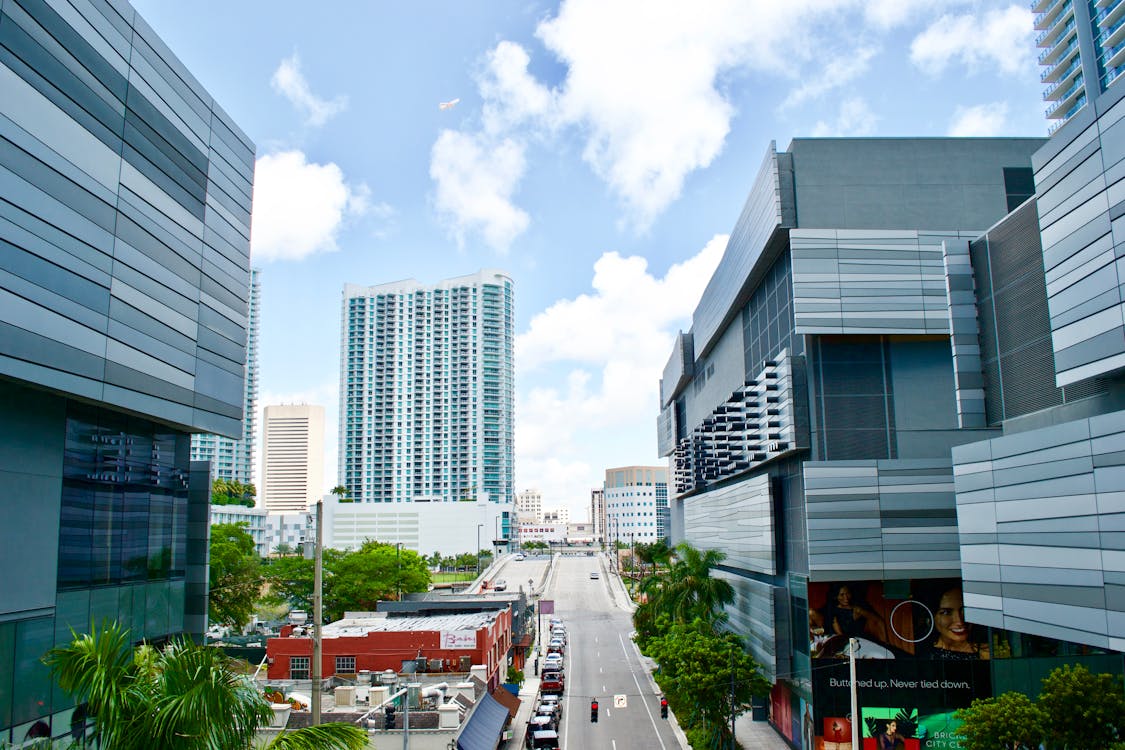
The wider market backdrop favors prepared buyers right now. Miami-Dade total home sales rose year over year for the seventh consecutive month into spring 2026, according to the Miami Association of Realtors, so demand is steady, not soft. At the same time, luxury condo pricing has eased from the 2021 to 2022 peak, which gives a relocating buyer more negotiating room than they had two years ago. If you are timing the move, my step-by-step pre-construction buying process walks through how to line up a reservation against deposit milestones.
Why Pre-Construction Fits the Relocation Play
For a buyer relocating from New York, pre-construction has a specific advantage that a resale does not. A reservation lets you lock today's price on a unit that delivers in 2027 or 2028, which buys time to sell or restructure the New York apartment, establish Florida residency, and move on your own schedule rather than the market's. You are committing capital in stages, not all at once.
That staged structure also lowers the risk of a wrong-building decision. Deposits typically scale from a 10 percent reservation up through construction milestones, and most contracts are refundable up to a defined point. For a buyer who is still finalizing a residency and financing plan, that flexibility is worth as much as the price lock itself. Confirm the cancellation terms in writing before you sign anything.
How a Relocating Buyer Should Move
Because the tax angle only pays off with a genuine residency change, the right sequence matters more than the building. Here is how I frame it with relocating clients.
- Decide relocation versus second home first: only a full-time Florida move removes the nonresident trigger and the New York state and city income tax. A Miami vacation condo does neither.
- Confirm the residency rules early: domicile and day-count tests are specific, so loop in a tax professional before you rely on the savings.
- Pick a building you would live in full time: waterfront or branded product in Brickell, Edgewater, Miami Beach, or Sunny Isles reads as a real primary home.
- Use pre-construction to stage capital: a refundable-window reservation locks price while you unwind the New York apartment.
- Line up financing before you shop: steady Miami demand means the best units move, so a ready buyer wins the negotiation.
"The buyers who win this move are the ones who treat it as a relocation, not a tax dodge. Make Florida your real home, pick a building you would actually live in, and the tax savings and the lifestyle upgrade come together. Do it halfway and you get neither."
Gerardo Gonzalez, Licensed Real Estate Agent at Compass
If you are deciding between waterfront submarkets, my breakdown of Brickell vs Edgewater vs Sunny Isles pre-construction lays out the trade-offs in density, pricing, and rental flexibility side by side. And before you reserve anything, run the building through my checklist for evaluating a Miami condo building's financial health, because a strong developer and a strong reserve plan matter as much as the address.
Frequently Asked Questions
What is the NYC pied-a-terre tax and who would it hit?
The proposed New York City pied-a-terre tax is an annual surcharge on homes worth $5 million or more owned by people who are not full-time residents of the city. It targets second homes and investment apartments held by out-of-towners, not primary residences. As of June 2026 it is still a proposal under debate, but Mansion Global reports experts expect it to slow the high-end nonresident market.
Is the NYC tax actually driving buyers to Miami?
Some of it is. Miami has been the default landing spot for tax-sensitive wealth since 2020, and a recurring annual tax on nonresident-owned New York homes gives those buyers one more reason to anchor in Florida, which has no state income tax and no pied-a-terre tax. On the ground I am fielding more calls from New York buyers who want a primary Florida residence rather than a second home.
Why does Florida residency matter for the tax math?
A pied-a-terre tax is built to penalize part-time, nonresident ownership. Buyers who make Florida their primary, full-time home generally fall outside that definition while also escaping New York state and city income tax. That is why the smart version of this move is not a Miami second home, it is a genuine relocation. Always confirm residency rules with a tax professional before relying on them.
Where in Miami are New York buyers landing?
The pattern concentrates in branded and waterfront product: Miami Beach and Sunny Isles oceanfront towers, plus Brickell and Edgewater for buyers who want a walkable base. The New York Post reported one Miami Beach tower booked more than $70 million in sales from New York buyers in a single month in 2026. Pre-construction in these submarkets lets buyers lock today's pricing on a 2027 to 2028 delivery.
Is now a good time to buy luxury in Miami?
The window favors prepared buyers. Miami-Dade total home sales rose year over year for the seventh straight month into spring 2026 per the Miami Association of Realtors, yet luxury condo pricing has softened from the 2021 to 2022 peak, giving buyers more negotiating room. Pairing steady demand with a pricing reset is unusual, so get financing and residency in order before you shop.
Should I buy now or wait to see if the tax passes?
If your goal is a part-time New York apartment, waiting for the final tax makes sense. If your goal is to relocate, the tax is secondary and the bigger driver is Miami's own pricing and inventory cycle. Pre-construction reservations are typically refundable up to a defined milestone, so a deposit can hold a price and a unit while you finalize the plan. Confirm cancellation terms in writing before you reserve.
Related Articles
- Miami vs NYC Million-Dollar Listings: The 2026 Seasonal Shift
- Brickell vs Edgewater vs Sunny Isles: Where to Buy Pre-Construction in Miami 2026
- Foreign National and Out-of-State Miami Real Estate Guide 2026
- The 2026 Miami Pre-Construction Buyer's Guide
- Miami Pre-Construction Buying Process, Step by Step
Frequently Asked Questions
Last verified June 6, 2026: Mansion Global reports New York City is weighing a pied-a-terre tax on $5 million-plus homes owned by nonresidents, with Olshan Realty logging 126 trophy contracts year to date. The New York Post reported one Miami Beach tower booked more than $70 million in New York-buyer sales in a single month in 2026. The Miami Association of Realtors reported Miami-Dade home sales rose year over year for the seventh straight month into spring 2026. The tax remains a proposal, not law; figures are subject to change.

Thinking about moving from New York to Miami? I will walk you through the residency math, the right submarkets, and the pre-construction timing so the tax savings and the lifestyle upgrade actually line up.
Contact Gerardo Gonzalez About a Miami MovePrefer to talk? Call me at (305) 964-8614
Explore All Miami Pre-Construction Buildings →
Data sources: Mansion Global, the New York Post, and the Miami Association of Realtors for tax-proposal, sales-flow, and market figures. Tax details reflect a proposal under debate as of June 2026, not enacted law. Compiled from sources deemed reliable but not guaranteed; readers should verify current rules, pricing, and availability with qualified professionals.
Pricing, tax proposals, and delivery timelines as of June 2026 and subject to change. This article is for informational purposes only and does not constitute financial, legal, tax, or investment advice. Consult a licensed tax professional before relying on any residency strategy.