Miami's luxury homes now cost 8.8 times more than its everyday homes, the widest gap of any major US metro. According to Redfin, the typical Miami luxury home sold for about $4.9 million, versus a median non-luxury price of $554,441. What I am watching is that the top tier grew 14.2% year-over-year, the second-fastest in the country, so this spread is widening, not stabilizing. Buyers should treat Miami's luxury market as its own asset class: it moves on scarcity and global cash, not on local wages or mortgage rates. See my Miami pre-construction buyer's guide for how to position before the top end runs further.
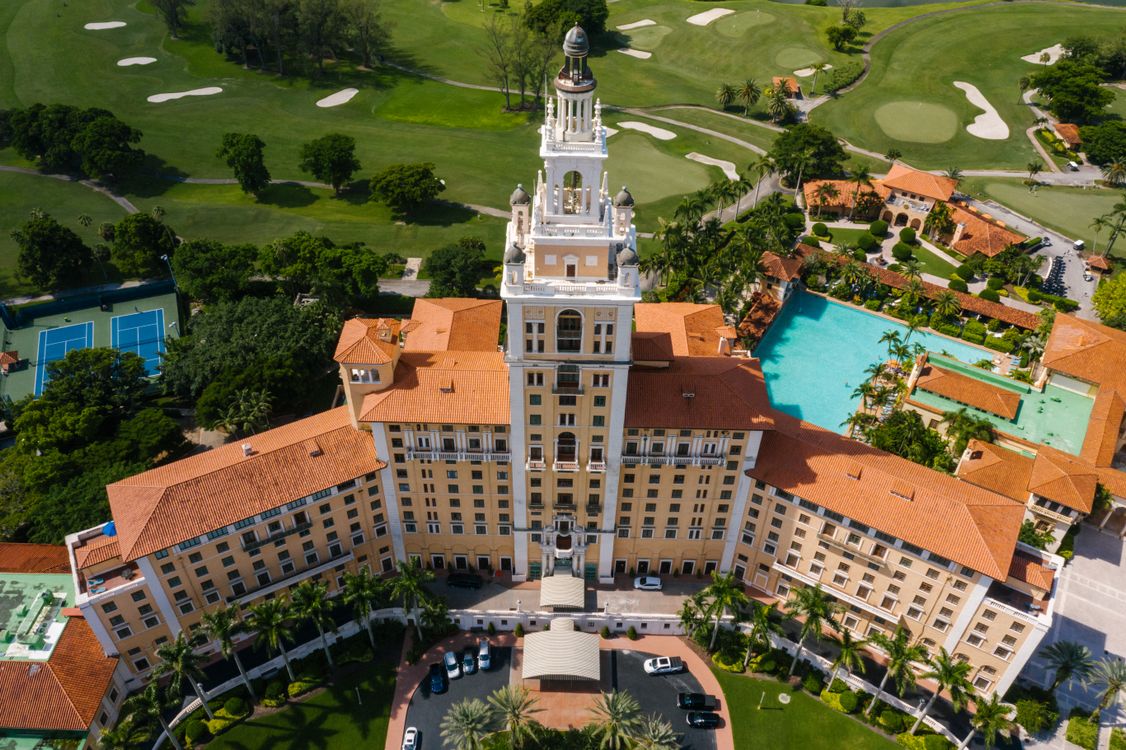
There is a number in Redfin's latest report that captures Miami's whole market in one figure: 8.8. That is how many times more the typical Miami luxury home costs than the typical non-luxury home, the widest such gap of any major US metro. A luxury home here runs about $4.9 million. A regular home runs $554,441. No other big city in America splits that far.
Here is what Redfin actually found, why Miami and West Palm Beach hold the two widest gaps in the country, and what a record spread like this means whether you are buying at the top of the market or the middle of it.
What Redfin Actually Found
According to Redfin, the typical Miami luxury home sold for roughly $4.9 million during the three months ending in May 2026, about 8.8 times the median non-luxury home price of $554,441. Across the 49 most populous US housing markets, that is the second-widest luxury premium, behind only neighboring West Palm Beach at 8.9x, where the typical luxury home sold for $4.5 million. South Florida holds both of the two widest gaps in the country.
The scale of that spread stands out most against the rest of the country. After South Florida, the next metro on the list is New York City, and its gap is only 5.5x. Redfin defines a metro's luxury tier as the top 5% of homes by estimated market value, so this is not a handful of trophy sales dragging an average, it is the middle of the top tier sitting almost nine times above the middle of everything else.
My read after years of writing contracts on both sides of this line: the $554,441 median is the number most people miss. It shows Miami still has a functioning everyday market. The story is not that regular homes got unaffordable overnight, it is that the top tier detached and kept climbing, which is a very different market to buy into than a uniformly overheated one.
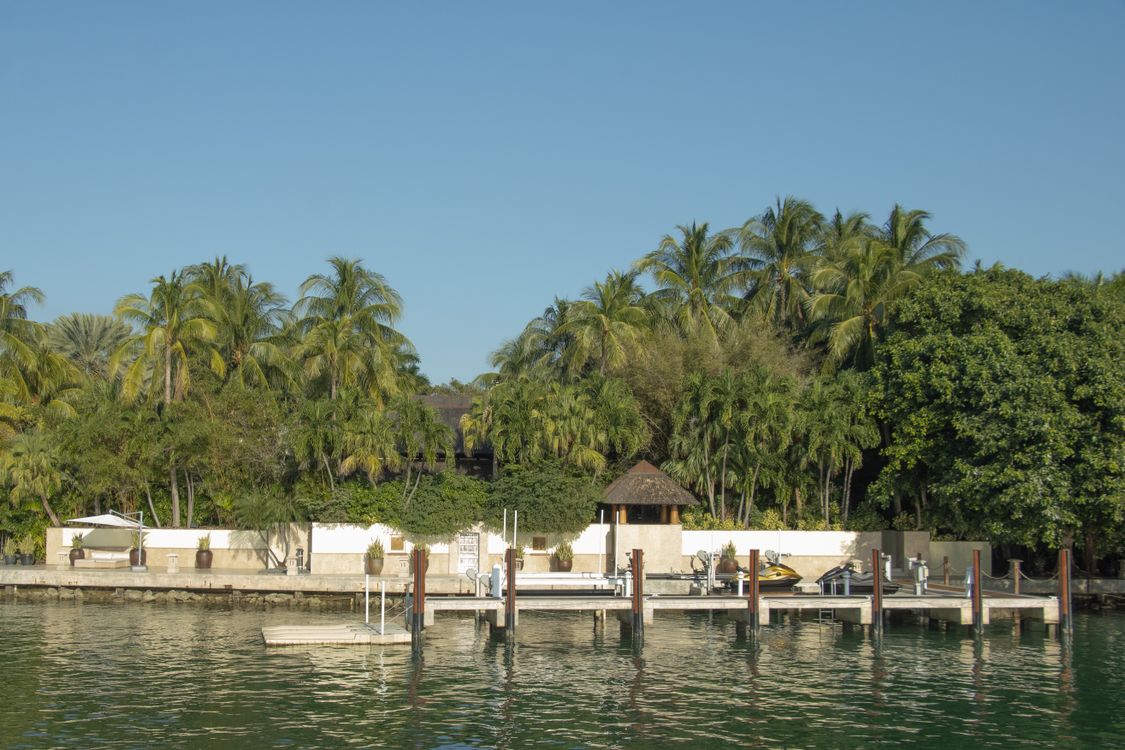
Why Miami's Gap Is the Widest in the Country
A gap this wide is not an accident of one metro being expensive. It is the top tier pulling away from the local median faster than almost anywhere else. Redfin found the median Miami luxury home price grew 14.2% year-over-year, the second-fastest of the 49 metros surveyed, while non-luxury prices grew at a slower pace. When the top appreciates that much faster than the middle, the multiple between them stretches, and that is exactly what widened Miami's spread to 8.8x.
Three forces are compounding on the luxury side at once. First, sustained wealth migration from California and New York shows no sign of slowing, and Florida's zero state income tax remains a decisive advantage for high earners. My Miami real estate tax guide by buyer country breaks down FIRPTA, capital gains, and property tax by nationality. Second, international demand from Latin America, Brazil, and Europe is absorbing a large share of upper-tier inventory. When a Colombian or Brazilian client asks me why Miami keeps setting records, the honest answer is that they are buying dollar-denominated stability, not reacting to US mortgage rates. Third, the supply of genuinely luxury product is thin: branded residences in Brickell, Edgewater, and Sunny Isles pre-sell years before completion, so finished inventory above $3 million stays scarce.
The non-luxury side is a different market entirely. Like most of the country, it is sensitive to financing costs and local wages, so it climbs at a normal pace. Put a top tier running on global cash next to a middle tier running on local incomes, and the gap does not just persist, it grows. That is the mechanism behind the record.
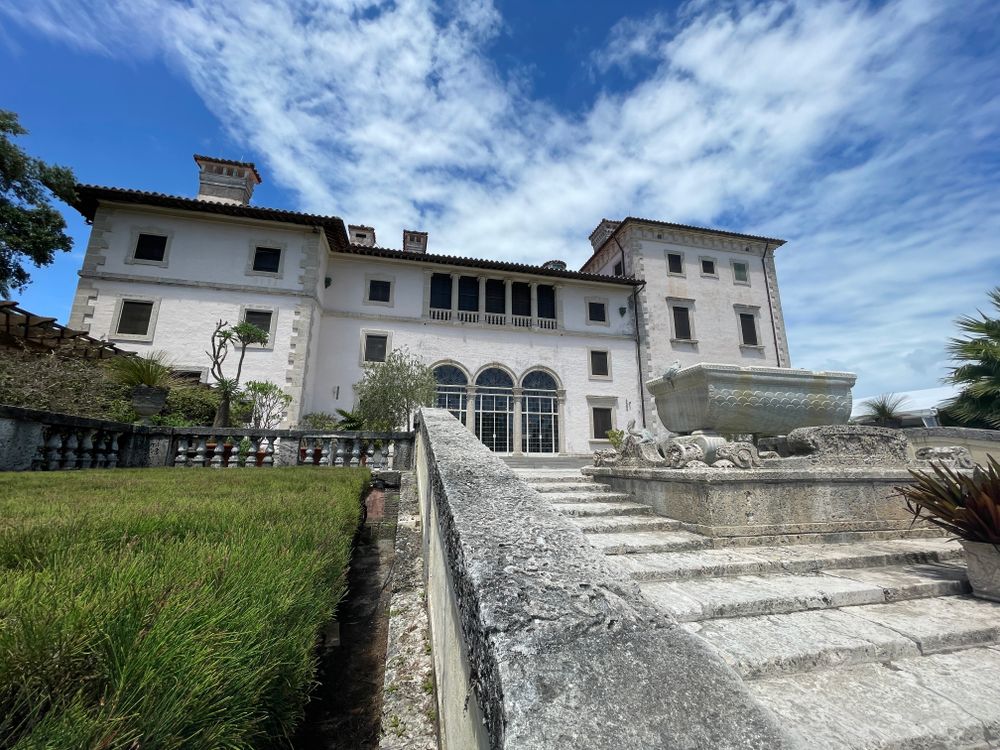
What the Gap Means if You Are Not a Luxury Buyer
A record luxury premium reads like a headline about the ultra-wealthy, but the number that should reassure most buyers is the other one: $554,441. That is the typical non-luxury home in Miami, and it tells you the everyday market did not detach from reality. A $554K median is high by national standards, but it is roughly one-ninth of the luxury median, which means the two tiers are not competing for the same buyer or the same inventory.
Practically, that changes how I coach a buyer under about $1 million. You are not bidding against the Star Island and Indian Creek crowd, and you should not let luxury headlines scare you into overpaying or into freezing. The Brickell, Edgewater, and Wynwood inventory that sits below the luxury cutoff behaves like a normal metro market: it responds to rates, days-on-market, and negotiation, tools that stop working once you cross into the top 5%.
It also reframes the affordability conversation. When people say Miami is unaffordable, they are usually describing the top tier that Redfin priced at $4.9 million. The functioning middle still exists, and buyers there benefit from the same wealth migration and job growth lifting the whole region, without paying the scarcity premium the luxury tier carries. Knowing which market you are actually in is the first thing I settle with any new client.

What a Widening Gap Means for Luxury Buyers in 2026
If you are buying at the top, the widening gap is the whole argument against waiting. A tier growing 14.2% a year on scarcity and global cash does not correct on the same schedule as the broader market, so "waiting for prices to cool" often means paying more a year later, not less. That is the pattern I have watched play out with clients who paused in 2023 and 2024 and re-entered at higher numbers.
Pre-construction is the cleanest way to get ahead of it, because pricing is set at contract. Buy into a project delivering in 2027 to 2029 and you lock today's number while the top tier keeps appreciating around you. The projects I watch most closely sit in the $1.5 to $4 million band, directly in the path of this demand, including 619 Brickell by Foster + Partners. Before committing to any of them, review the true cost of owning a Miami luxury condo so the carrying costs are priced in, then read my Miami pre-construction buyer's guide for how to structure the deposit and timeline.
The takeaway from Redfin's data is not that Miami is expensive, everyone knows that. It is that Miami's luxury and everyday markets have split into two different games with two different rulebooks. Figure out which one you are playing, and the right move gets a lot clearer.
An 8.8x gap between luxury and non-luxury is not a statistic, it is a signal that Miami's top tier has become its own asset class. It runs on global cash and scarcity, not on local wages or mortgage rates, and it is growing 14.2% a year. I tell luxury clients the same thing every time: this segment does not wait for the broader market to correct, so the cost of hesitating is usually paying a higher number later. Gerardo Gonzalez, Licensed Real Estate Agent at Compass
Frequently Asked Questions
How much more does a luxury home cost than a regular home in Miami?
According to Redfin, the typical Miami luxury home sold for about $4.9 million during the three months ending in May 2026, roughly 8.8 times the median non-luxury home price of $554,441. That is the widest luxury-to-non-luxury price gap of any major US metro, ahead of neighboring West Palm Beach at 8.9x and far above New York City at 5.5x. Redfin defines luxury as the top 5% of homes by market value in each metro.
Why is Miami's luxury price gap the biggest in the country?
Miami's gap is the widest because its luxury tier is pulling away from the local median far faster than in most metros. Per Redfin, the median Miami luxury home price grew 14.2% year-over-year, the second-fastest of the 49 metros surveyed, while non-luxury prices grew more slowly. Global wealth migration, all-cash international buyers, and scarce waterfront and branded inventory push the top end up, while a $554,441 median keeps the everyday market anchored, widening the spread.
What counts as a luxury home in Miami in 2026?
Redfin defines a metro's luxury tier as the top 5% of homes by estimated market value, so the threshold moves with the market rather than a fixed dollar figure. In Miami that top 5% now carries a median sale price near $4.9 million. Miami Realtors separately tracks a $1 million-plus luxury segment, which is broader. Both frameworks show the same direction: the entry point into Miami's luxury market keeps rising as demand concentrates at the top.
Is the Miami luxury price gap growing or shrinking?
The gap is growing. According to Redfin, Miami's median luxury home price rose 14.2% year-over-year, faster than all but one of the 49 US metros studied, while non-luxury prices climbed at a slower pace. When the top tier appreciates faster than the median, the multiple between them widens. That is exactly what Redfin recorded in Miami and West Palm Beach, which is why South Florida holds the two widest luxury price gaps in the country.
What does the record price gap mean for Miami buyers in 2026?
For luxury buyers, the widening gap signals that the top tier behaves as its own market driven by scarcity and cash rather than local wages or mortgage rates, so waiting for a broad correction can mean paying more later. For non-luxury buyers, a $554,441 median shows the everyday market has not run away at the same pace. Pre-construction lets buyers lock pricing at contract before the top tier appreciates further, which is where the fastest growth is concentrated.

Buying in Miami's Split Market?
Luxury at 8.8x the median, an everyday market still anchored near $554K. The right move depends on which one you are in. Call or text to talk through your budget and the projects positioned best for it.
Schedule a ConsultationPrefer to talk? Call me at (305) 964-8614 or WhatsApp.