South Beach is not a separate city: it is the southernmost neighborhood of Miami Beach, where condos run near $1,000 per square foot against a Miami-Dade median of $420,000 (January 2026, Miami Realtors). Buyers assume the two names mean two markets; the split is really the Art Deco core versus newer oceanfront. Choose the district or a tower, then compare by building age.

"South Beach vs Miami Beach" is one of the most common questions I get from buyers new to the market, and the honest answer is that they are not two places at all. South Beach, often called SoBe, is the southernmost neighborhood of the City of Miami Beach, the barrier island east of Downtown Miami. Miami Beach the city is divided into three parts: South Beach at the bottom, Mid-Beach in the middle, and North Beach at the top. So the real comparison is South Beach, the walkable Art Deco and South-of-Fifth core, versus the rest of the island, especially the Mid-Beach oceanfront where newer branded towers push pricing higher. This guide breaks down what each term really means, the price gap, the new oceanfront product, lifestyle, carrying costs, and how I help buyers choose. For a broader frame, see our Miami pre-construction buyer guide and the Q1 2026 market report.
Prices: The Art Deco Core vs the Wider Island
The headline is that both sit inside the same city, yet the pricing spread is wide. South Beach luxury condos generally run near $1,000 per square foot for the walkable Art Deco and South-of-Fifth stock, with the newest South-of-Fifth construction pushing well above that. The wider Miami Beach oceanfront, especially Mid-Beach branded towers, is where the top of the market lives. For scale, Miami Realtors puts the Miami-Dade condo luxury threshold, the top 5 percent of sales, at $3.4 million for the first half of 2026. Against that, the Miami-Dade median condo price was about $420,000 in January 2026, up from $415,000 a year earlier, per Miami Realtors. The cleanest read: South Beach is the walkable-district play with a lower entry than the branded oceanfront; the rest of the island, led by Mid-Beach, sets the city's ultra-luxury ceiling.
| Metric | South Beach | Wider Miami Beach | Source |
|---|---|---|---|
| Frontage | Beach + bay, walkable | Oceanfront + intracoastal | - |
| Character | Art Deco, South-of-Fifth | Mid-Beach & North Beach | - |
| Newest product | South-of-Fifth infill | Branded oceanfront towers | - |
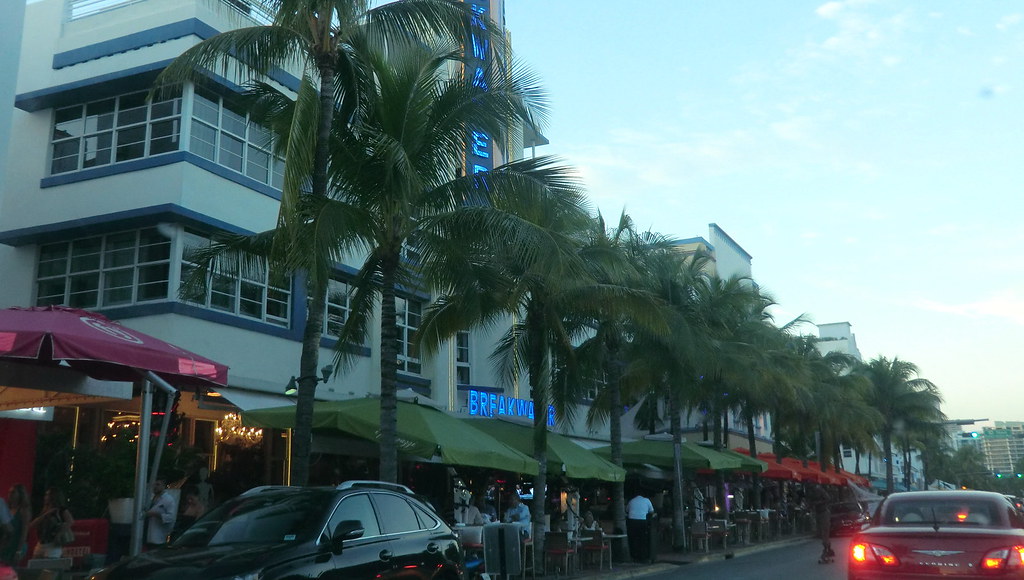
Millionaire's Row and the County Backdrop
The Mid-Beach oceanfront stretch buyers hear called Millionaire's Row runs along Collins Avenue roughly from 41st Street to 62nd Street, and it holds the island's branded and boutique beachfront towers. That forward pipeline sets the replacement cost resale units on the Row are measured against, which is why beachfront stock up-island does not chase the softer end of the market down.
The county numbers back it up. Miami-Dade existing condo sales rose for an eighth consecutive month into April 2026 and the condo median price ticked up roughly 1.1 percent year over year, while single-family and townhome prices both eased, according to Miami Realtors. My advice on the oceanfront side of the island: negotiate on HOA credits or closing costs, not on price.
The Three Sections: South Beach, Mid-Beach, North Beach
The single fastest way to stop confusing South Beach with Miami Beach is to learn the island's three sections, because that is how the market actually prices. South Beach is the southern end, roughly south of 23rd Street down to South Pointe: the Art Deco district, Ocean Drive, Lincoln Road, and the high-end South-of-Fifth enclave. Mid-Beach runs north from there along Collins Avenue and holds newer branded oceanfront towers and resort-residences on larger, quieter blocks. North Beach continues to the city's northern edge near Bal Harbour, a more residential and value-oriented stretch. When someone says "Miami Beach" for a top-end oceanfront tower, they almost always mean Mid-Beach, not South Beach. I track pricing, absorption, and building financials across all three through Compass back-end data and direct conversations with the sales offices.
- South Beach (SoBe): The southern end and Art Deco heart of the island. Walkable, dense, and nightlife-driven, with Ocean Drive, Lincoln Road, and the South-of-Fifth enclave. Condo stock skews older and mid-rise, and luxury pricing runs near $1,000 per square foot, with South-of-Fifth new construction well above.
- South-of-Fifth (within South Beach): The quiet, high-end tip below Fifth Street with the island's most exclusive addresses. It carries the top South Beach pricing and the strongest resale demand, a scarcity enclave inside the walkable core.
- Mid-Beach: North of South Beach along Collins Avenue. This is where the newest branded oceanfront towers and resort-residences sit, on larger, calmer beachfront blocks. When buyers picture a brand-new Miami Beach oceanfront tower, this is usually the section they mean.
- North Beach: The island's northern, more residential and value-oriented stretch near Bal Harbour. Lower entry pricing than South Beach or Mid-Beach oceanfront, with a quieter, family-oriented feel.
- The core trade: South Beach is a walkable, scarce, character-driven district at a lower entry than the branded oceanfront; Mid-Beach and the wider island offer newer, larger oceanfront product at the top of the city's pricing. One is district living, the other is a turnkey oceanfront tower.
| Section | Location | Character | Luxury Pricing | Best For |
|---|---|---|---|---|
| South Beach | Southern third | Art Deco, walkable, nightlife | Near $1,000 PSF | District living, resale demand |
| South-of-Fifth | Southern tip | Quiet, exclusive enclave | Top of South Beach | Scarcity, privacy in the core |
| Mid-Beach | Central Collins Ave | Newer branded oceanfront | City's top end | Turnkey oceanfront towers |
| North Beach | Northern edge | Residential, value-oriented | Lower entry | Families, quieter beachfront |
| City threshold (Q1 2026) | All Miami Beach | Luxury condo entry | $5.5M vs $3.6M county | Ultra-luxury context |
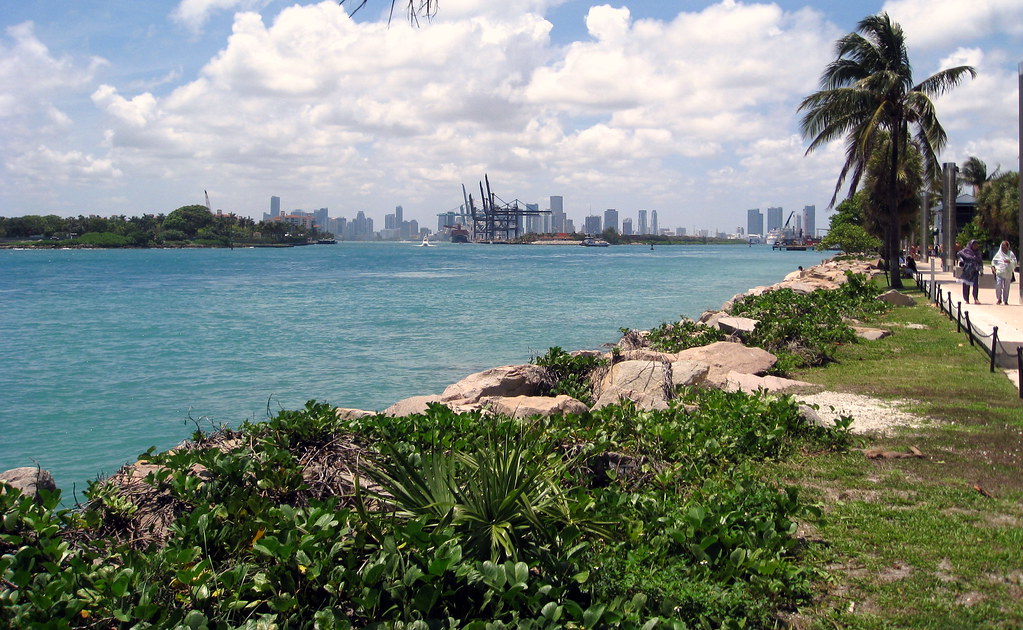
Lifestyle and Character: Walkable Core vs Oceanfront Tower
Beyond price, the two ends of the island feel different. South Beach is dense and walkable: an Art Deco grid of hotels, restaurants, Lincoln Road shopping, Ocean Drive nightlife, and the quieter South-of-Fifth enclave at the tip. The lifestyle is walk-everywhere: dining, the beach, and the entertainment district are all on foot, and the energy runs late. It draws buyers who want a walkable district, strong short-term and international demand, and a character-rich address, more than a buyer looking for a brand-new oceanfront tower.
The rest of Miami Beach, especially Mid-Beach, is the opposite texture. It is a stretch of Collins Avenue with newer oceanfront towers and resort-residences on larger, calmer blocks, where the amenity is the beach itself and the building. Frontage is open Atlantic, with beach clubs, valet, and concierge as the norm, and pricing sits at the top of the city. Buyers who want a turnkey oceanfront residence, a second home, or a lifestyle-and-store-of-value asset gravitate here, and it draws heavy Latin American and international capital, especially families who winter on the beach.
- South Beach: walkable Art Deco core, Ocean Drive and Lincoln Road, South-of-Fifth enclave, older mid-rise stock, near $1,000 per square foot, nightlife and short-term demand.
- Mid-Beach / North Beach: newer branded oceanfront towers, beach clubs and concierge, larger and quieter blocks, top-of-city pricing, second-home and lifestyle-driven.
- Shared: same barrier island, both about 10 to 15 minutes from Downtown Miami and Brickell, both draw heavy out-of-state and international capital, both are core Miami-Dade luxury markets.
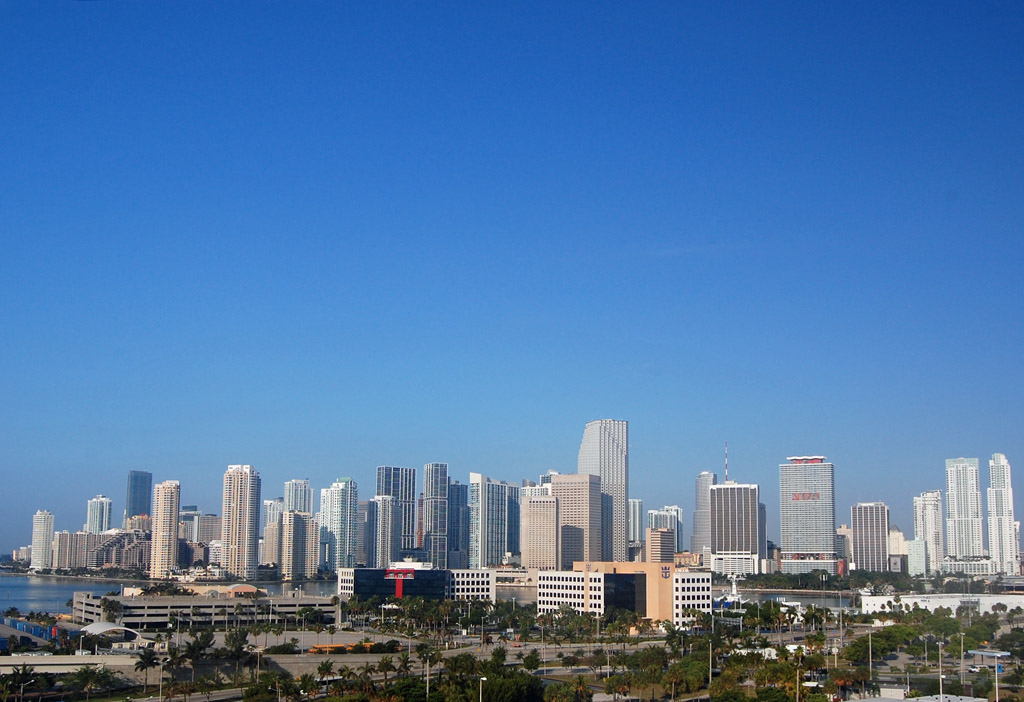
Who Should Buy Where
The decision usually comes down to walkable-district-versus-oceanfront-tower and character-versus-new-product. Here is how I sort buyers across the island.
- Choose South Beach if you want a walkable district: an Art Deco core with dining, nightlife, Lincoln Road, and the beach all on foot, at a lower entry than the branded oceanfront. This is the buyer who values character, energy, and strong resale and short-term demand over a brand-new tower.
- Choose South-of-Fifth if you want the top of the core: the quiet, exclusive tip of South Beach with the strongest resale demand and the most scarce addresses. This is the buyer who wants prestige and privacy inside the walkable district.
- Choose Mid-Beach if you want turnkey oceanfront: a newer branded residence on the Atlantic with a beach club, concierge, and resort-style amenities on larger, quieter blocks. This is the second-home or ultra-high-net-worth buyer who wants the beach and a new tower over a walkable grid.
- Choose North Beach for value: the quieter, more residential northern stretch near Bal Harbour at a lower entry than South Beach or Mid-Beach oceanfront, a fit for families and long-hold buyers.
- Foreign and out-of-state buyers: the whole island draws heavy international capital, and Miami-Dade held its position as a top U.S. destination for foreign real estate money into 2026 per Miami Realtors. Build the ownership structure before signing. See the LLC structuring for foreign buyers guide.
For the South Beach side, see the South Beach luxury condos guide and the South Beach penthouses guide. For the wider oceanfront, see the Mid-Beach luxury condos guide and the Bal Harbour luxury condos guide.
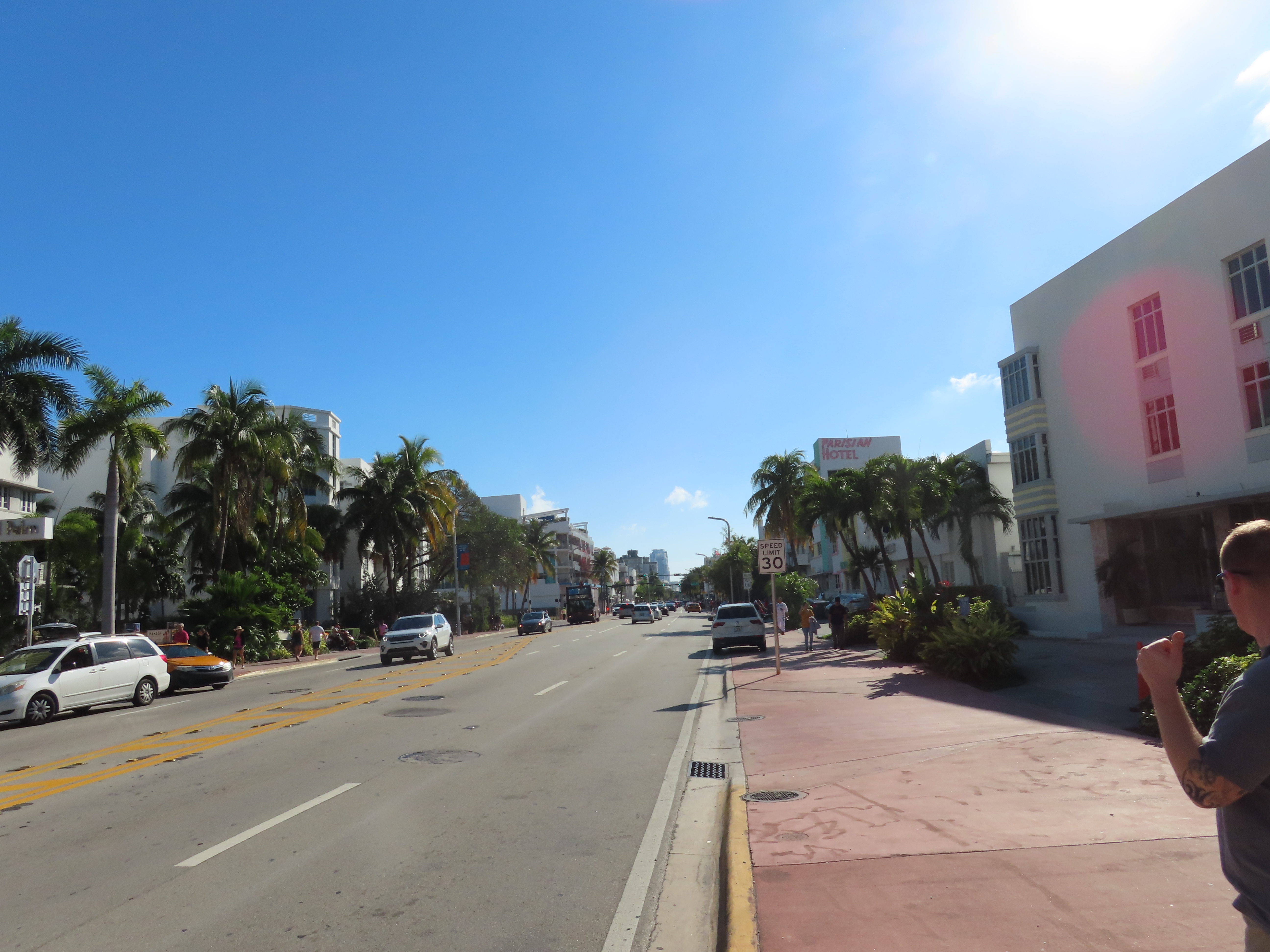
HOA Fees, SB 4D Risk, and Carrying Costs
Carrying costs are the due-diligence step buyers most often underestimate across the island, and here South Beach and the wider Miami Beach differ more by building age than by section. New branded condos generally budget around $1.00 to $1.75 per square foot monthly at delivery, with the highest-amenity oceanfront towers at the top of that range. Because Mid-Beach and oceanfront units are often larger, the dollar total is usually higher even at a similar per-foot rate: a 2,500-square-foot oceanfront unit at $1.50 per foot is $3,750 monthly, while a 1,200-square-foot South Beach unit at $1.25 is closer to $1,500. Add Miami-Dade property tax near 2 percent of assessed value and coastal condo insurance that varies sharply with flood zone and building age, and total carrying cost climbs fastest on a large, older oceanfront unit.
The bigger risk sits in older stock, which South Beach has a lot of. Much of the South Beach and older oceanfront Miami Beach condo base predates 2000 and sits well above three stories, putting it squarely inside the Florida SB 4D Milestone Inspection and Structural Integrity Reserve Study requirement. Older buildings exposed to salt air and storm surge can carry deferred-maintenance liabilities that translate into five- and six-figure per-unit special assessments, which is one reason buyers pay up for newer product that sidesteps that catch-up risk on day one. The Art Deco charm of an older South Beach building can also mean an older roof, envelope, and reserves, so the milestone report matters most exactly where the character is greatest. I pull the reserve study, milestone inspection report, and operating budget before any client writes a resale offer anywhere on the island. For a full pre-purchase check, see the SB 4D special assessments guide.
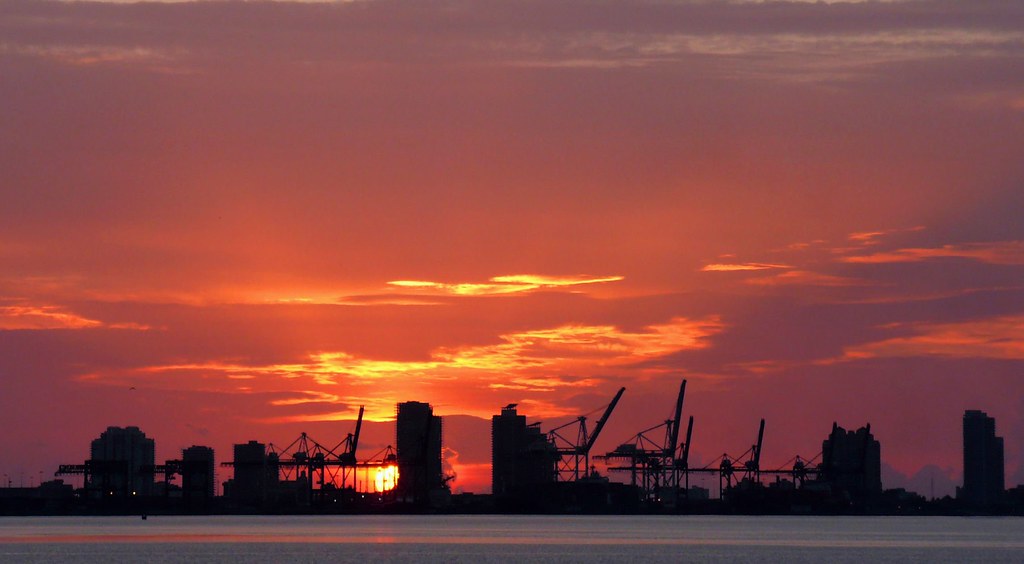
How Miami Beach Stacks Up Against the Wider Miami Market
South Beach and the rest of Miami Beach are both barrier-island markets, distinct from the mainland urban core in Brickell and the northern oceanfront in Sunny Isles Beach and Bal Harbour. Placing the island next to its neighbors clarifies where it sits. South Beach anchors the walkable-district end, Mid-Beach the newer branded oceanfront, and the mainland and northern beaches fill out the spectrum.
| Submarket | Typical Frontage | Luxury Pricing | Primary Driver | Best For |
|---|---|---|---|---|
| South Beach | Beach + bay, walkable | Near $1,000 PSF | Walkability and character | District living, resale, short-term demand |
| Mid-Beach (Miami Beach) | Direct oceanfront | City's top end | Newer branded oceanfront | Turnkey oceanfront towers, second homes |
| Brickell | Bayfront / urban | ~$937-$1,045 PSF | Yield and liquidity | Urban base, rental income, lower entry |
| Sunny Isles Beach | Direct oceanfront | $1,500-$2,200+ PSF (pre-con) | Oceanfront scarcity | Turnkey branded beachfront, lifestyle |
| Bal Harbour | Direct oceanfront | ~$1,036 PSF (condo) | Blue-chip oceanfront | The Shops, liquidity, scarce land |
For deeper apples-to-apples comparisons, see the Brickell vs Sunny Isles Beach comparison and the Bal Harbour vs Bay Harbor Islands comparison.
Investment Outlook: Walkable Scarcity vs New Oceanfront
The two ends of the island reward different investor instincts. South Beach is the walkable-scarcity play: a finite, high-demand district where the location and character carry the value. Its walkable core supports strong resale and short-term-friendly demand, and South-of-Fifth in particular commands the island's most durable pricing. When luxury and ultra-luxury sales ran at a record pace across Miami-Dade into 2026, per Miami Realtors, the scarce South Beach addresses held their appeal. The trade-off is building age: much of the stock is older, so reserves and milestone risk weigh on the appreciation math.
The wider Miami Beach oceanfront, led by Mid-Beach, is the newer-product-and-status play. Beachfront land is finite, and the newest branded towers sit at the top of the city's pricing. A buyer here is betting on the durability of new branded oceanfront demand and a turnkey building with fresh reserves. The risk is paying the premium for new product, and on pre-construction, execution and delivery timing, which is why developer underwriting matters most on the newest towers.
On resale and rentability, South Beach's walkable core supports steadier demand than a quiet oceanfront block; the newer oceanfront leans toward ownership, lifestyle, and appreciation. The cleanest framing: South Beach for walkable scarcity and character, the wider island for new oceanfront and status. For full income underwriting, see the true cost of owning a Miami luxury condo.
How I Help Buyers Choose Across the Island
My advice on South Beach versus Miami Beach is to stop treating them as two cities and start treating them as sections of one island with very different building stock. I maintain a live read across all of it, pulled from Compass back-end MLS and direct conversations with the sales offices, from South-of-Fifth resale to the newest Mid-Beach oceanfront towers. For resale anywhere on the island, I pull the reserve study, milestone inspection report, and SB 4D compliance status before any offer, which matters most on the older South Beach and oceanfront stock. For new construction, I review the developer's financial package, the escrow agent, the surety bond, and the deposit schedule line by line. I run a base-case carrying-cost scenario, an appreciation scenario, and a downside scenario on every unit a client considers, so the choice between the walkable core and a newer tower is grounded in numbers, not the sales-center pitch.
"The mistake I see most is a buyer thinking South Beach and Miami Beach are two markets. They are not: South Beach is one neighborhood inside the city of Miami Beach. The real choice is the walkable Art Deco core versus a newer oceanfront tower up-island, and once you frame it that way, the decision usually comes down to building age and how much you value walking out your door into the district."Gerardo Gonzalez, Licensed Real Estate Agent at Compass
Want a private shortlist across South Beach, Mid-Beach, and the wider island matched to your budget, timing, and use case? Reach out for a 30-minute consultation. I will send you the top opportunities with full building due diligence and a side-by-side comparison within 48 hours.
Frequently Asked Questions
Is South Beach part of Miami Beach?
Yes. South Beach, often called SoBe, is the southernmost neighborhood of the City of Miami Beach, running roughly south of Dade Boulevard to South Pointe. Miami Beach is the incorporated barrier-island city; South Beach, Mid-Beach, and North Beach are its three main sections. So South Beach versus Miami Beach is really South Beach versus the rest of the same island. It is also a different island from the City of Miami on the mainland, where Brickell and downtown sit.
Is South Beach or the rest of Miami Beach more expensive in 2026?
It depends on the product. South Beach luxury condos generally run near $1,000 per square foot for the walkable Art Deco and South-of-Fifth stock, with South-of-Fifth new construction well above. Mid-Beach and the northern oceanfront hold the newest branded towers. The city-wide top end is set by branded oceanfront outside the South Beach core.
What is the difference between South Beach and Mid-Beach?
South Beach is the walkable Art Deco district at the island's south end: Ocean Drive, Lincoln Road, and the South-of-Fifth condo enclave. Mid-Beach runs north along Collins Avenue and holds newer branded oceanfront towers on larger, quieter blocks. South Beach is denser, older, and nightlife-driven; Mid-Beach is newer, calmer, and skews to larger oceanfront branded product. Buyers who want walkability pick South Beach; buyers who want a newer oceanfront tower often move to Mid-Beach.
Which is a better investment?
It depends on strategy. South Beach, especially South-of-Fifth, is the walkability-and-scarcity play: a finite, high-demand district with strong short-term-friendly and international demand. The wider Miami Beach oceanfront, particularly Mid-Beach branded towers, is the newer-product and turnkey-luxury play. Miami-Dade luxury and ultra-luxury sales ran at a record pace into 2026 per Miami Realtors. I underwrite each unit with a base case and a downside case, because building age matters more here than the neighborhood label.
Where is South Beach and where is the rest of Miami Beach?
South Beach occupies roughly the southern third of the Miami Beach barrier island, south of Dade Boulevard to South Pointe Park. Mid-Beach sits directly north along Collins Avenue, and North Beach continues to the city's northern edge near Bal Harbour. The whole island is about 10 to 15 minutes from Downtown Miami and Brickell across the causeways. Many of my clients tour South-of-Fifth, then Mid-Beach oceanfront, before deciding between the walkable core and a newer tower.
Who should buy in South Beach versus the rest of Miami Beach?
Buyers who want a walkable, energetic base, Art Deco character, and the South-of-Fifth address choose South Beach, especially those who value nightlife, dining, and strong resale demand. Buyers who want a newer, larger oceanfront residence with resort-style amenities and a quieter beachfront often choose Mid-Beach or the northern stretches. Foreign and second-home buyers are heavily represented across both. Many tour both because they answer different questions.
What are HOA fees, SB 4D risk, and carrying costs like?
New branded condos across Miami Beach generally budget around $1.00 to $1.75 per square foot monthly at delivery, with the highest-amenity oceanfront towers at the top. The bigger issue is age: much of South Beach and older oceanfront Miami Beach stock predates 2000 and falls under Florida SB 4D Milestone Inspection and Reserve Study rules, which can trigger five- and six-figure special assessments. Add Miami-Dade property tax near 2 percent and coastal condo insurance. I pull every building's reserve study before a client writes an offer.
South Beach vs Miami Beach: Expert Q&A
About the author: Gerardo Gonzalez is a licensed real estate agent at Compass, specializing in South Florida luxury and pre-construction real estate. Luxury Dade Group at Compass. (305) 964-8614 | [email protected]
Related guides: South Beach luxury condos | South Beach penthouses | Mid-Beach luxury condos | Bal Harbour luxury condos | SB 4D special assessments guide | LLC structuring for foreign buyers | True cost of owning a Miami condo | Q1 2026 Miami pre-construction report
South Beach or the Wider Island? Let's Decide Together
Book a 30-minute call. I walk you through the walkable South Beach and South-of-Fifth stock, the newer Mid-Beach oceanfront towers, the building due diligence, and a side-by-side scenario for your budget and timing. No pitch, just numbers.
Book a ConsultationPrefer to talk? Call me at (305) 964-8614 or WhatsApp.