You can own a resale condo at Fontainebleau Miami Beach in its two condo-hotel towers, Tresor and Sorrento, which together hold 748 units, per The Real Deal. The original 1954 building is not sold as condos. In my experience at LuxuryDade, these buy as lifestyle second homes first, income second. Check the rental rules and resort fees before you sign.

Most people know the Fontainebleau as a hotel. Fewer know you can own a piece of it. The resort opened in 1954, designed by Morris Lapidus in the curving Miami Modern style, and it is one of the most recognizable buildings on Miami Beach, per Wikipedia. When a client asks me about "Fontainebleau residences," they are almost always asking about the two condo-hotel towers added in the 2000s expansion, Tresor and Sorrento. This guide is about buying resale in those towers: what they are, how the rental program works, what units cost, and what to check before you wire a deposit. This is an established landmark, not a pre-construction launch, so the diligence is different.
What the Fontainebleau Is
The Fontainebleau is a MiMo landmark, not a new tower. It opened in 1954 at 4441 Collins Avenue in Mid-Beach, designed by Morris Lapidus, whose curving architecture and grand interiors defined the mid-century Miami Beach resort look, per Wikipedia. Turnberry Associates, controlled by the Soffer family through Fontainebleau Development, bought the property in 2005 for 165 million dollars and put it through a billion-dollar renovation that finished with a grand reopening on November 18, 2008.
Today the resort spans more than 15 acres with nearly 1,600 hotel keys across four connected structures, per The Real Deal. That scale matters to a buyer. When you own a suite here, you are buying into a full operating resort with restaurants, a spa, pools, and beach service, not a quiet residential condo. The tradeoff is the heartbeat of the place: the amenities and the address are the product.
Tresor vs Sorrento: The Two Towers You Can Buy Into
The units you can actually purchase sit in two towers from the resort's expansion, both designed by architect John Nichols, per Wikipedia. Fontainebleau II, marketed as Tresor, is the 36-story tower at 4401 Collins Avenue completed in 2005. Fontainebleau III, marketed as Sorrento, is the 18-story all-suite tower completed in 2008. They are the residential side of the resort, and together they hold 748 condo-hotel units, per The Real Deal.
| Tower | Name | Height | Units | Completed |
|---|---|---|---|---|
| Fontainebleau II | Tresor | 36 stories | ~462 suites | 2005 |
| Fontainebleau III | Sorrento | 18 stories | ~286 suites | 2008 |
Practically, Tresor gives you the taller building, larger floor plans, and the widest oceanfront views. Sorrento is the all-suite tower with smaller studio, one, and two-bedroom layouts, which tends to put its entry pricing below Tresor's. Unit counts here are widely reported at roughly 462 for Tresor and 286 for Sorrento, and The Real Deal reports the combined total across both at 748, which is the figure I anchor to. The tower you choose sets your budget, your view, and how the unit is likely to perform in the rental program.
The Hotel Rental Program: Income vs Resort Fees
The feature that defines Fontainebleau ownership is the optional hotel rental program. If you furnish your unit to the resort's package and enroll, the Fontainebleau rents it out as hotel inventory and shares the revenue with you, net of operating costs. About 674 of the 748 owners were enrolled in the program, per The Real Deal. Owners who stay out of the program rent independently on short-term platforms such as VRBO.
Here is my honest take on the program. It is a real amenity, but it is not a passive money machine, and you should not buy on a projected nightly rate. The revenue share, the resort operating costs, and the furniture and housekeeping requirements all take a bite, so the program tends to offset your carrying cost rather than turn the unit into a cash-flow investment. The upside that is genuinely valuable is convenience: your unit earns something while you are not using it, and the resort handles the guest, the cleaning, and the front desk. The other real constraint is personal use. Any condo-hotel imposes rules on how and when you occupy the unit, so if your plan is to live there most of the year, read those rules before you assume you can.
What Resale Units Cost and What Drives Price
Resale pricing at Fontainebleau spans a wide band. Based on MLS-listed Tresor and Sorrento inventory in 2026, resale asking prices have ranged from roughly the mid-700,000s for smaller Sorrento suites to well above 10 million dollars for large, high-floor oceanfront Tresor residences. I state that as a range on purpose. Active inventory turns over, and a single trophy listing can distort any snapshot, so treat these as market brackets and confirm live pricing before you rely on a number.
Four things move a specific price more than anything else. First, the tower: Tresor's larger oceanfront layouts sit at the top of the range, Sorrento's suites at the entry. Second, the floor and the view: a high-floor direct-ocean line commands a real premium over a city or partial view. Third, the layout and size: a two-bedroom Tresor residence is a different market than a Sorrento junior suite. Fourth, condition and furniture package, because a unit set up to hotel-program spec is turnkey for that use. When I price a Fontainebleau unit for a buyer, I work through those four levers, not a building-wide average.
Carrying Costs and What to Check Before You Buy
The carrying cost is where condo-hotel ownership surprises people, so price it before you fall for a view. On top of your mortgage and Miami-Dade property taxes, budget for HOA dues, and understand that a resort-grade building carries resort-grade operating costs. If you use the resort's amenities and services, there are fees attached, and if you enroll in the rental program, the revenue arrives net of operating costs, not gross. Run the all-in monthly number with your agent before you commit. My full walkthrough of the true cost of owning a Miami luxury condo lays out every line.
Because Tresor opened in 2005 and Sorrento in 2008, both towers fall under Florida's post-Surfside condo-safety regime. That means milestone structural inspections and reserve-study requirements apply on the timelines set by state law, and those can drive special assessments in any older coastal building. Before you buy, ask for the reserve study, the most recent inspection status, and the board minutes. My guides to the Florida milestone inspection law and SB 4-D special assessments cover exactly what to request and how to read it.
One more item specific to Fontainebleau: read the current rental and occupancy rules, not last year's. In 2026 a group of owners who rent independently sued the resort over rules they argued pushed them toward the in-house program, and a judge dismissed the case for lack of standing, per The Real Deal. Whatever your rental plan, confirm the governing documents support it today.
- HOA and reserves: get the current budget, reserve study, and any pending special assessment.
- Milestone inspection: confirm the tower's structural inspection status under Florida law.
- Rental rules: read the current program terms and independent-rental rules, not older versions.
- Resort fees: understand amenity charges and how program revenue is calculated net of costs.
Is Fontainebleau Right for You
Match the building to your actual plan. As a second home, the Fontainebleau is one of the strongest lock-and-leave options on Miami Beach: you get a serviced oceanfront suite in a landmark, and the rental program can offset costs while you are away. As a pure investment, be more careful, because the revenue share and resort costs mean it rarely performs like a straightforward long-term rental. As a rental-program play, it can work if you buy the right unit at the right price and treat the income as an offset, not a business plan. If what you actually want is a private top-floor home rather than a serviced resort suite, compare it against the South Beach penthouse market before you decide.
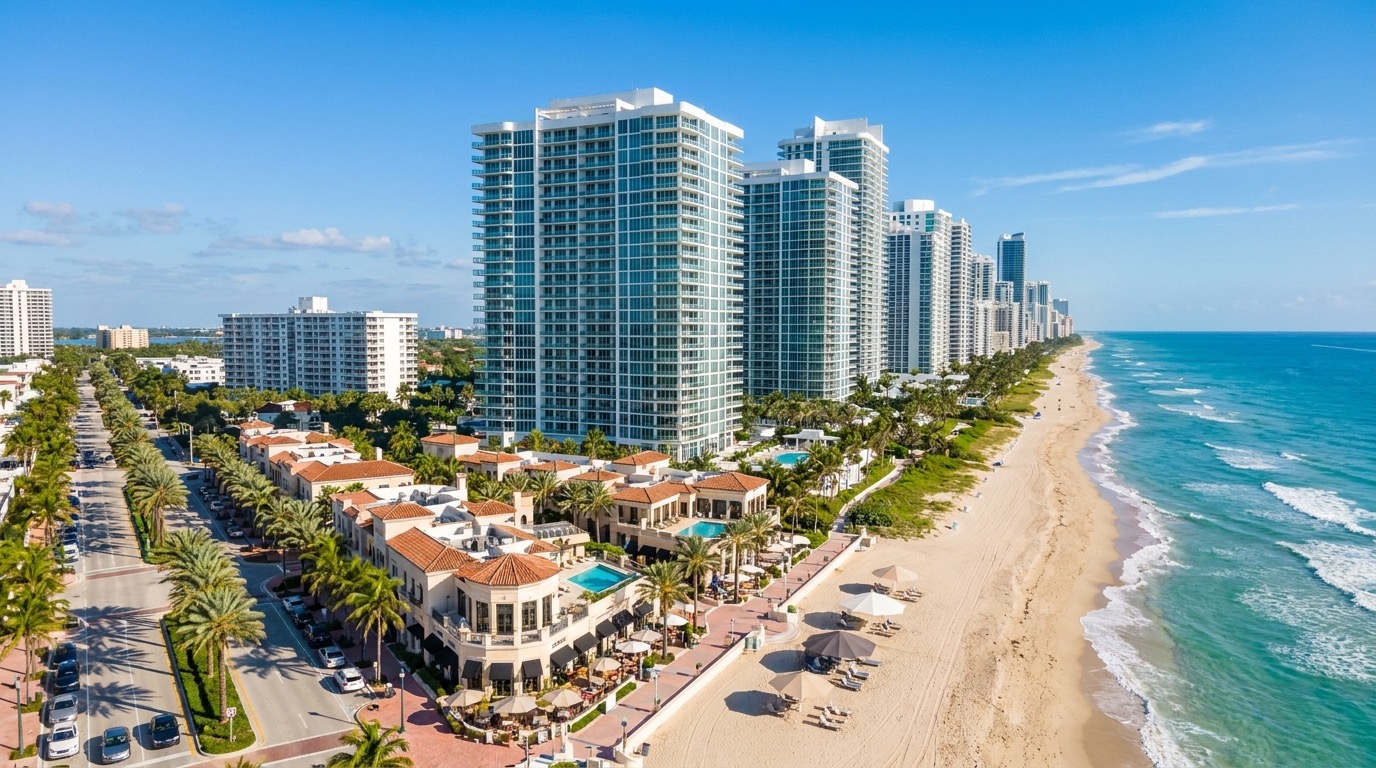
What I tell buyers about the Fontainebleau is simple: buy it because you love the address and the lifestyle, and let the rental program be a bonus, not the reason. The people who are happiest here wanted a serviced beach home in an icon. The ones who get frustrated bought a spreadsheet and expected a hotel to run it for them. Get the tower, the floor, the view, and the carrying-cost math right, and it is a genuinely special place to own.
"When a buyer asks me about the Fontainebleau, I tell them to buy the lifestyle and treat the rental income as gravy. The suite that makes you happy is the right unit, and the numbers only work if you nail the floor, the view, and the carrying costs going in."Gerardo Gonzalez, Licensed Real Estate Agent at Compass
Last verified September 28, 2026. Tower unit counts, build years and rental-program terms were re-checked against the sources cited above and are unchanged. Resale pricing moves, so confirm live figures before you rely on them.
Frequently Asked Questions

Ready to Work with Gerardo?
Book a 30-minute call. I walk you through specific Fontainebleau units, towers, and numbers relevant to your situation. No pitch, just analysis.
Book a ConsultationPrefer to talk? Call me at (305) 964-8614 or WhatsApp.