Two Roads Development paid $50 million to 10 Biscayne 21 holdout owners, ending three years of litigation, Bisnow reported on September 1, 2026. My read is that this settlement priced the holdout position for every Miami condo termination that follows. If your building is a buyout target, the number to watch is what the alternative costs the developer.
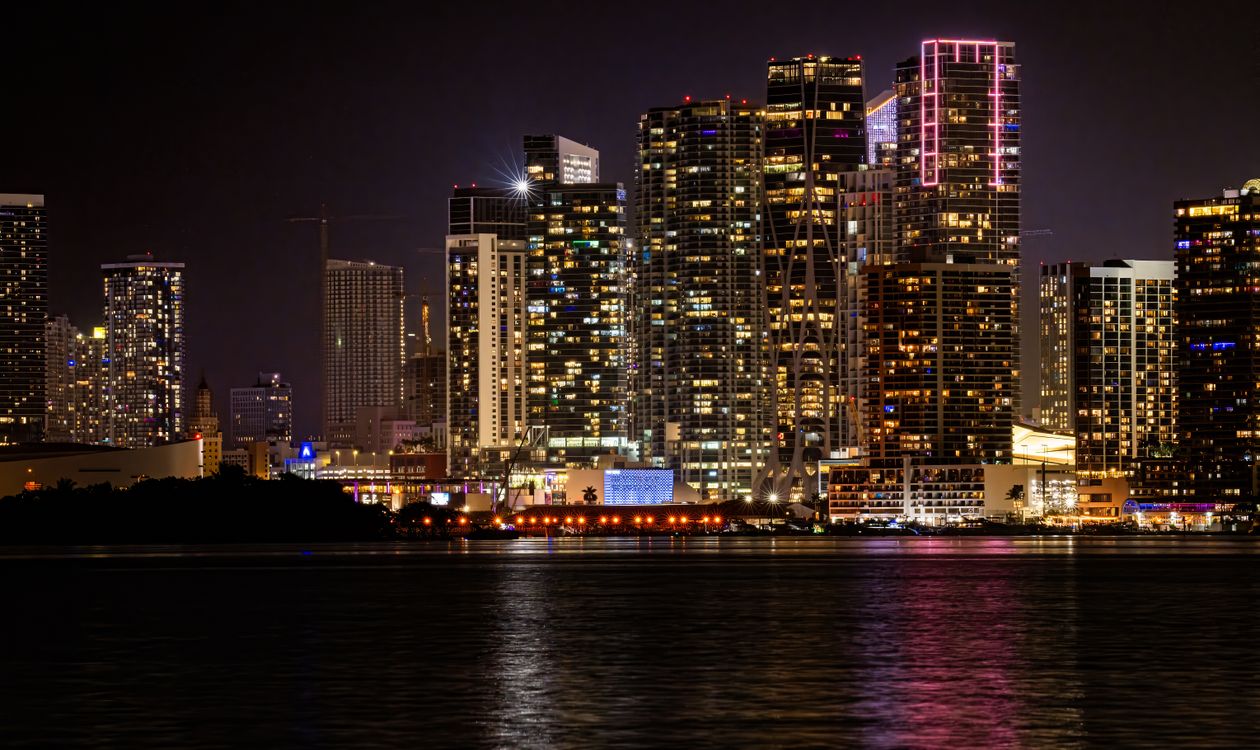
Three years ago, 10 owners at a 61-year-old Edgewater condominium refused to leave. On September 1, 2026, the developer paid them $50 million to end it. The Biscayne 21 fight became the most closely watched condominium termination in Florida since the state tightened its condominium safety and reserve rules, and it has now produced the one thing the industry did not have: a public price for saying no. That number travels well beyond 2121 N Bayshore Drive, because most aging waterfront buildings in Miami-Dade are redevelopment candidates, and every owner in one has just learned what leverage is worth.
What the $50 Million Actually Bought
Two Roads Development reached and fully funded a settlement with the remaining owners of the Biscayne 21 condominium, PROFILEmiami reported on September 1. The agreement ends multi-year legal proceedings and gives the developer complete control of the waterfront site. According to Bisnow, the money went to 10 owners, who agreed to vacate the building.
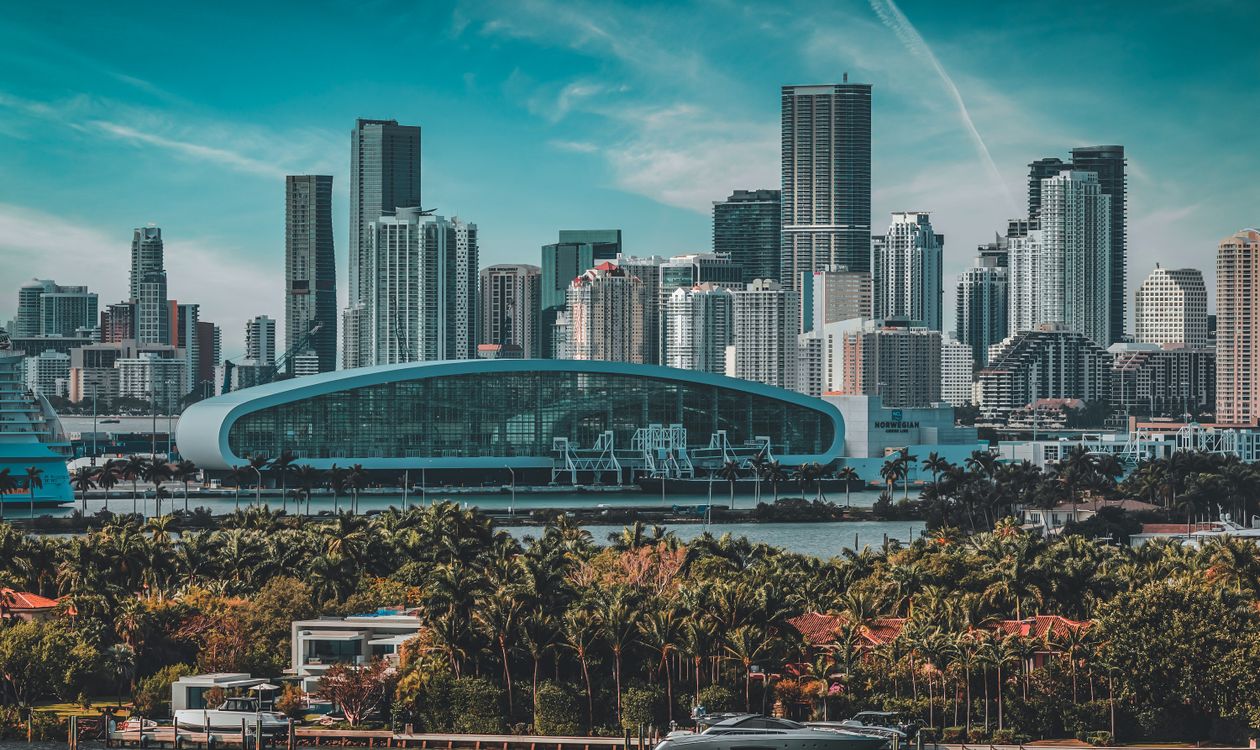
The developer now plans to demolish the 13-story structure within two to three weeks and move straight into vertical construction on three luxury condominium towers under Marriott's EDITION brand, a company spokesperson told Bisnow. The lead building is EDITION Residences, Miami Edgewater, a 55-story waterfront tower Two Roads first detailed in 2022, with more than 800 linear feet of bay frontage.
How 10 Owners Held a $150 Million Site for Three Years
Two Roads bought a majority of the 192-unit building for $150 million in 2022, financed with a $105 million senior mortgage from Bank OZK and a $45 million mezzanine loan from Lionheart Strategic Management, The Real Deal reported at the time. Demolition was prepared in 2023. Then 10 residents sued to block it.
Their argument was narrow and it worked. They said the developer had improperly lowered the approval threshold for terminating the condominium from 100 percent of owners to 80 percent. Florida's Third District Court of Appeal sided with the owners twice and denied the developer's request for a rehearing in July 2025. The Florida Supreme Court declined to take the appeal in October. By January 2026, a Miami-Dade Circuit Court judge had ordered Two Roads to restore the building to its May 2023 condition, even though demolition work had already started.
That is the part most coverage skipped: the developer lost, repeatedly, and at the end of it owned a half-dismantled tower it had been ordered to put back together. This is the same dynamic driving Miami's condo buyout wave, only with the failure mode fully exposed.
The Number That Set the Price Was $65 Million
A settlement is a comparison, not a valuation. The reason $50 million was payable is that the alternative was worse. The court-ordered restoration of the building was estimated at $65 million, The Wall Street Journal reported, citing a study commissioned by Bank OZK. Against a $65 million repair bill on an asset the developer intended to demolish, a $50 million payment to 10 owners is the cheaper exit and it also returns the site.
Laid out against the capital already committed, the arithmetic is easier to read.
| Item | Amount | Source |
|---|---|---|
| 2022 bulk purchase, majority of 192 units | $150,000,000 | The Real Deal |
| Senior mortgage, Bank OZK | $105,000,000 | Bisnow |
| Mezzanine loan, Lionheart Strategic Management | $45,000,000 | Bisnow |
| Court-ordered restoration estimate | $65,000,000 | The Wall Street Journal |
| Settlement paid to 10 holdout owners | $50,000,000 | Bisnow |
| Implied average per holdout unit | about $5,000,000 | LuxuryDade calculation |
An average near $5 million a unit in a 1965 building is not a valuation of those apartments. It is the price of the last signature, and it is the figure every owner and every developer in a Miami termination will now argue from.
What I Tell Owners in a Buyout Building
When an owner in a buyout building asks me whether to sign, my answer is that the first offer is rarely the ceiling, and the ceiling is set by what a different path costs the developer, not by what the unit appraises at. Biscayne 21 is the first time that number has been public in Miami. It cuts both ways, and I say that to sellers too: three years of litigation is a real cost to a household, and 10 owners absorbed it before anyone got paid.
What I look at before advising either side:
- The termination threshold in the declaration, and whether it was amended. That single clause is what the Third District Court of Appeal decided this case on.
- What the developer has already spent and borrowed on the site. Committed capital and a maturing loan are the strongest arguments a holdout has.
- Whether demolition or asbestos abatement has begun. Once a building is partly dismantled, restoring it becomes the developer's expensive alternative.
- The seller entity on the contract, not the developer's brand. Reputations are portfolio-wide, obligations are entity-specific.
- Your own timeline. A holdout position is worth the most to someone who can genuinely outlast the process, and very little to someone who cannot.
- What comparable buyouts have actually paid. Our breakdown of how a Brickell bulk buyout is priced shows the mechanics on a deal that closed without litigation.
One caution against reading this as a template. A Miami real estate attorney who was not involved in the case told Bisnow the settlement does little to clarify the legal standards around terminations, and the Florida Legislature still has not resolved them. What stands is the precedent that a small group of owners can stop a project, and now a public number for what ending that takes.
For buyers, the practical effect is narrower and more immediate: the largest development site in Edgewater is unblocked, demolition is weeks away, and a project that sat in a holding pattern for three years is about to go vertical. If you are tracking that tower or you own in a building that has had a buyout approach, call me at (305) 964-8614 or use the contact page.
Own in a Building That Has Had a Buyout Approach?
Send me your declaration and the offer. I will walk you through the termination threshold, what the developer has already committed to the site, and where your unit sits in the order of leverage before you respond to anything.
Request a Confidential ReviewPrefer to talk? Call me at (305) 964-8614 or WhatsApp.
Frequently Asked Questions
How much did Two Roads Development pay the Biscayne 21 holdout owners?
Two Roads Development paid $50 million to the 10 remaining holdout owners at Biscayne 21, Bisnow reported on September 1, 2026. The settlement is fully funded and resolves the last of roughly three years of litigation over the termination of the 192-unit Edgewater condominium at 2121 N Bayshore Drive.
Why were the Biscayne 21 owners able to block the demolition for three years?
The holdout owners argued the developer had improperly lowered the approval threshold for a condominium termination from 100 percent of owners to 80 percent. Florida's Third District Court of Appeal sided with the owners twice and denied a rehearing in July 2025, and the Florida Supreme Court declined the appeal in October.
What happens to the Biscayne 21 site now?
Two Roads Development plans to demolish the 13-story building within two to three weeks of the settlement and move straight into vertical construction, according to a company spokesperson quoted by Bisnow. The site is planned for EDITION Residences, Miami Edgewater, led by a 55-story waterfront tower.
Does this settlement make Florida condo terminations easier?
No. A Miami real estate attorney not involved in the case told Bisnow the settlement does little to clarify the legal standards around terminations, and the Florida Legislature has not resolved them. The rulings still stand as precedent that a small group of owners can stop a termination.
What should an owner in a Miami buyout building take from Biscayne 21?
That the first offer is rarely the ceiling. The leverage in a termination fight comes from what the alternative costs the developer. At Biscayne 21 a court-ordered restoration was estimated at $65 million, which is the backdrop against which a $50 million settlement was reached.