Miami-Dade closed 24 homes above $30 million in the first half of 2026, nearly double a year earlier and more than New York City's 17, according to Bloomberg and Analytics Miami. What I am seeing on the ground is California and Northeast money buying a Florida foothold ahead of new wealth taxes. If you are shopping under $30 million, this pulls your tier up too, so act on well-located inventory now. Start with my Miami buyer guide.

For years, New York and the Bay Area were where the global elite parked trophy money. In 2026 that changed. Bloomberg, citing data firm Analytics Miami, reported on July 24 that Miami-Dade closed 24 homes and condos above $30 million in the first half of the year, nearly double the same period in 2025 and enough to put the market on pace to break last year's record of 33. The comparison that should get every buyer's attention: Miami inked more $30 million-plus deals than New York City, which logged just 17. A city that saw only two sales above $30 million in all of 2019 is now the country's hottest ultra-luxury market, and the reason is a straight line, wealth is relocating to Florida. My Miami buyer guide covers how to position for it.
The Numbers: 24 Sales Over $30 Million, and Rising
Twenty-four is a small number, but at $30 million per transaction it represents an enormous concentration of capital, and the trajectory is what matters. Miami-Dade recorded just two sales above $30 million in all of 2019, according to Bloomberg. By 2025 that had climbed to a record 33 for the full year. The first six months of 2026 already delivered 24, so the market is pacing to shatter its own record. In the same window, New York City managed 17 such sales, per Bloomberg citing Olshan Realty, meaning Miami is now setting the pace for American ultra-luxury rather than chasing it.
Here is the on-the-ground read I give my clients. This is not a broad, healthy market lifting all boats. It is a barbell: the very top is on fire while the middle of the Miami market is far more balanced, with normal inventory and negotiation. So a headline about record $30 million sales does not mean a $2 million Brickell condo buyer has lost all leverage. It means the trophy tier has decoupled, and that decoupling slowly drags the tiers just beneath it upward over the following year.
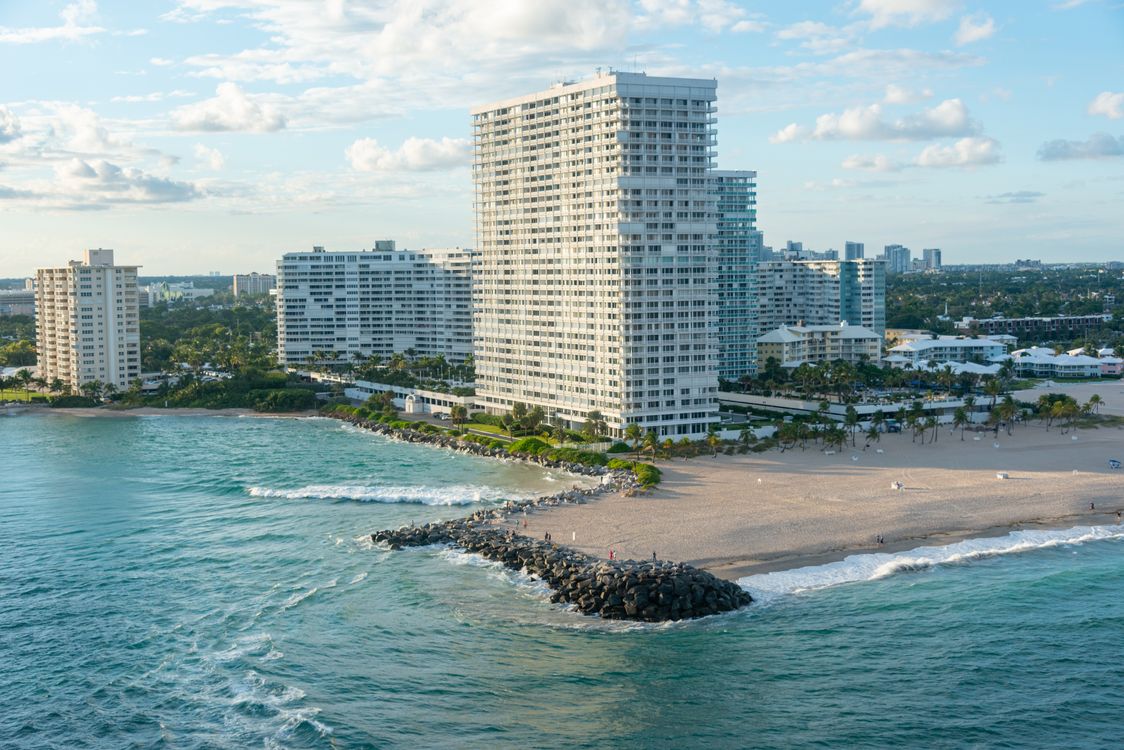
Why does a $30 million comp matter to a buyer who is nowhere near that price? Because the ultra-luxury tier is where scarcity gets priced first. When trophy waterfront trades at records, the appraisers, developers, and sellers one tier down all recalibrate to it. The wave reaches the $3 million to $10 million market with a lag, which is exactly why the smart move is to buy into a rising market early rather than confirm the trend after it is fully priced in.
Why Wealth Is Choosing Miami Over New York and California
The driver is tax policy, and it is now explicit. Bloomberg reports that the recent acceleration is fueled less by fleeing New Yorkers and more by wealthy Californians building a Florida backup plan ahead of the state's proposed billionaire tax, a one-time 5 percent levy set to appear on the November 2026 ballot. On the other coast, a new pied-a-terre tax took effect in New York this month, and brokers there say some luxury shoppers have paused their search. Money reacts to policy faster than to weather.
Florida's structural advantages compound that pressure: no state income tax, no state estate tax, and strong asset-protection and homestead law. For a household weighing a 5 percent one-time hit on a nine-figure net worth, establishing Florida domicile is not a lifestyle choice, it is arithmetic. The all-cash nature of the top tier accelerates it further. Cash accounted for 44 percent of January 2026 Miami-Dade closings, well above the roughly 27 percent national average, according to Miami Realtors, and at the $30 million level effectively every deal is cash. The true cost of owning a Miami luxury property at this level is carrying cost and taxes, not a mortgage.
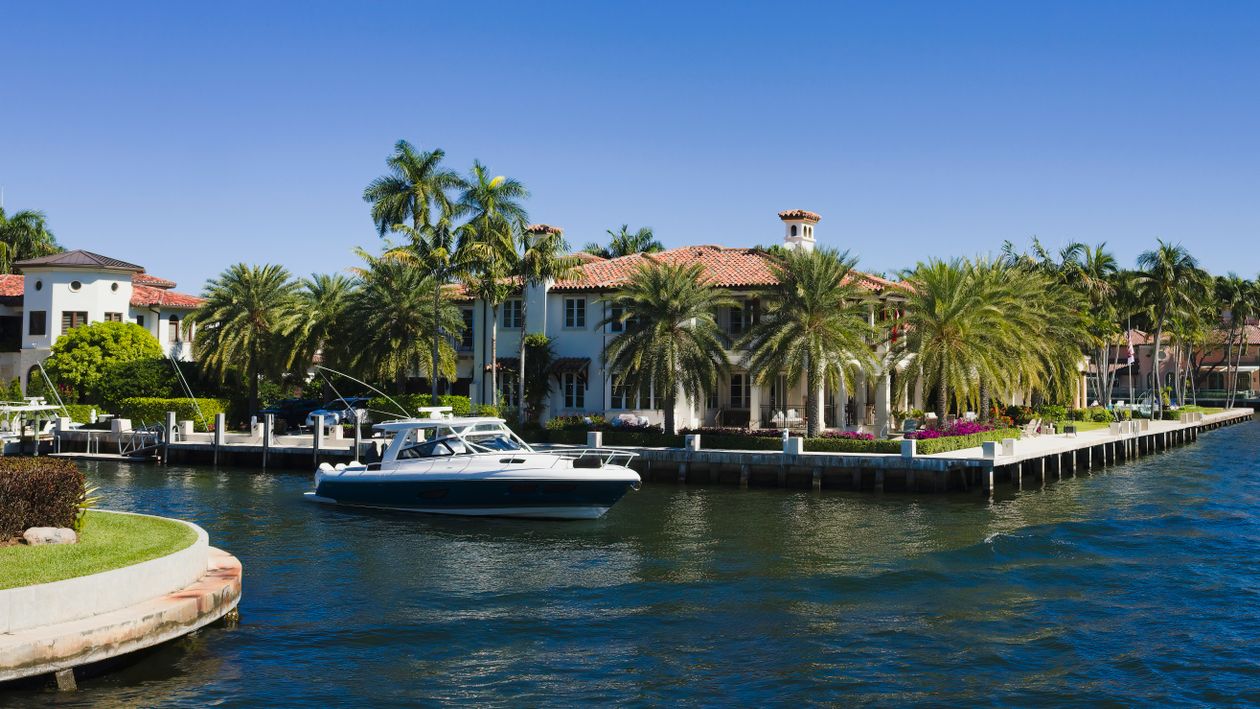
Where is this demand landing? A short list of trophy waterfront enclaves absorbs most of it:
- Miami Beach's private islands: Allison Island, Star, Palm, and Hibiscus, where a $51 million waterfront estate traded in March 2026, per public records cited by Bloomberg.
- Indian Creek Village: The 41-lot guard-gated island often called the Billionaire Bunker, with effectively zero new supply.
- Golden Beach and Bal Harbour: Oceanfront enclaves north of Miami Beach that draw discreet, cash ultra-luxury buyers.
- Fisher Island: The ferry-access private island that consistently ranks among the highest price-per-square-foot markets in the country.
- Coconut Grove and Coral Gables waterfront: Where new branded residences and estate homes capture buyers who want bayfront with a mainland address.
Miami vs. New York vs. Bay Area: The $30M+ Market Compared
The clearest way to see the shift is side by side. Here is how the three top American ultra-luxury markets compare on $30 million-plus activity in the first half of 2026:
| Factor | Miami | New York City | Bay Area |
|---|---|---|---|
| $30M+ sales, H1 2026 | 24, nearly double YoY | 17 | Outpaced by Miami |
| Trend direction | Accelerating to a record | Cooling after new tax | Buyers seeking FL exit |
| Key tax pressure | None; no state income tax | New pied-a-terre tax | Proposed billionaire tax |
| Typical payment | Mostly all-cash | Mixed cash and financed | Mixed, tech-equity driven |
| Buyer momentum | Inbound migration | Some buyers pausing | Outbound to low-tax states |
The table tells the whole story: this is not Miami getting marginally hotter, it is a structural migration of ultra-high-net-worth demand from two tax-pressured coasts into one that has none. The same land-scarcity math that shows up at $30 million has already reset comps a tier down, where a $31M teardown at 220 Bal Bay Drive in Bal Harbour recently traded almost entirely for its land. When the very top decouples like this, the enclaves just beneath it are where the next leg of appreciation shows up.
What This Means for Buyers Under $30 Million
Here is the practical translation of a record ultra-luxury year, because most people reading this are not writing $30 million checks. My advice is straightforward: treat this data as a leading indicator for your own tier, not a spectator story. The migration driving those 24 sales is the same migration filling Brickell, Edgewater, and Coconut Grove with cash buyers who no longer pay New York or California prices. When I have a Colombian or Brazilian client ask me whether Miami is overheated, I show them this exact split, the trophy tier is on fire while the $2 million to $8 million market still negotiates, so there is a real window to buy into a rising market before the top fully pulls it up.
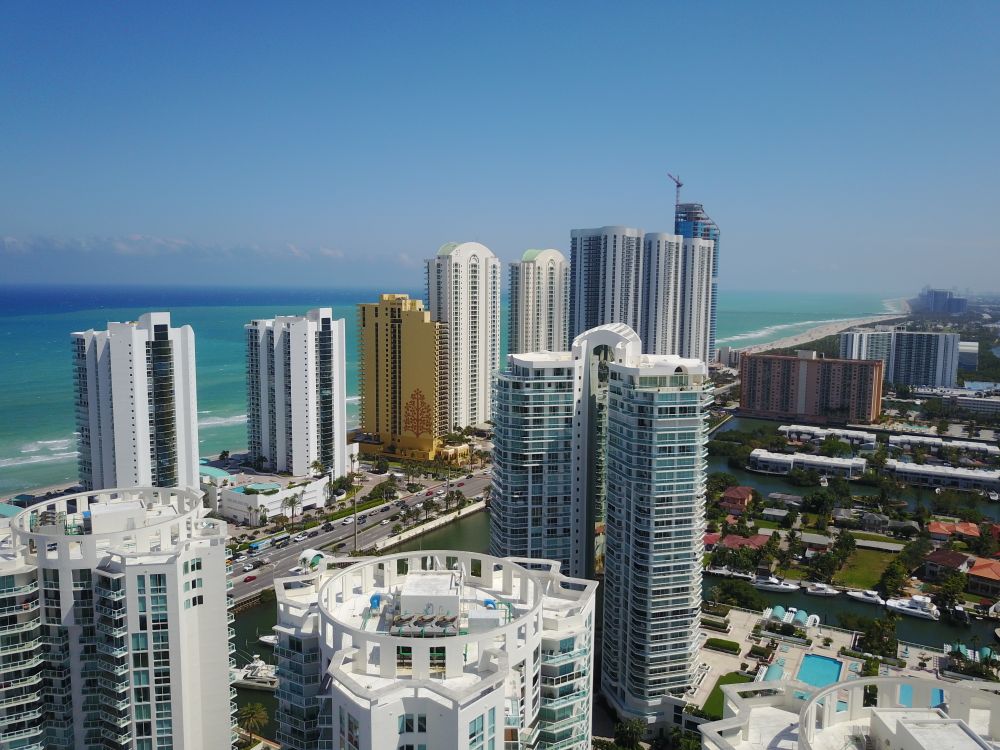
The broader data supports the read. Cash accounted for 44 percent of January 2026 Miami-Dade closings, well above the roughly 27 percent national average, according to Miami Realtors, and that cash depth is what keeps the market firm even as mortgage rates stay elevated. For buyers in the $3 million to $8 million range looking at waterfront or pre-construction across Miami neighborhoods, the takeaway is that the top of the market is pulling prices up, not cooling. Before committing at any tier, understand the full financial picture, including Florida's SB 4D reserve and assessment rules for condos and, for international buyers, the structuring options in the foreign national guide.
If you are relocating to Miami for the same tax reasons driving the ultra-wealthy, here is the framework I walk clients through before they buy:
- Establish domicile deliberately: Florida residency is a legal fact you build with documentation, not a moving date. Get the homestead and domicile steps right so the tax advantage actually holds up.
- Structure the purchase for your situation: International and multi-state buyers often hold through an LLC or trust for privacy and tax efficiency. Country-specific options are in the foreign national real estate guide.
- Model carrying cost, not just price: At the luxury tier, insurance, HOA, and assessments matter as much as the purchase. The true cost of owning a Miami luxury condo guide breaks it down.
- Plan the tax exposure early: The Miami real estate tax guide covers property tax, homestead, and treaty considerations for international buyers.
"The number that tells the real story is not 24, it is the comparison. Miami just did more $30 million deals than New York, and it happened because of tax policy, not weather. When wealth relocates for structural reasons, it does not reverse in a season, and that is why I tell buyers below the trophy tier to position now rather than wait for the trend to be obvious." Gerardo Gonzalez, Licensed Real Estate Agent at Compass
Frequently Asked Questions About Miami's $30M+ Market
How many Miami homes sold for over $30 million in the first half of 2026?
Miami-Dade County closed 24 condos and single-family homes above $30 million in the first six months of 2026, nearly double the number sold in the same period a year earlier, according to Bloomberg citing Analytics Miami. That pace puts the market on track to surpass 2025's record of 33 sales in that price range. For context, Miami logged just two sales above $30 million in all of 2019.
Did Miami sell more $30 million homes than New York City in 2026?
Yes. Miami inked more $30 million-plus home deals in the first half of 2026 than New York City, which logged 17 such sales over the same period, according to Bloomberg citing Olshan Realty's luxury market report. A new pied-a-terre tax that took effect in New York this month has prompted some luxury shoppers there to pause, while Miami's ultra-luxury demand keeps accelerating.
Why are wealthy buyers moving to Miami instead of New York or California?
Buyers are relocating to low-tax states as high-tax jurisdictions push wealth-focused policies. Bloomberg reports that California's proposed billionaire tax, a one-time 5 percent levy on the November 2026 ballot, is driving West Coast buyers to establish a Florida foothold, while New York's new pied-a-terre tax is cooling demand there. Florida has no state income tax, no estate tax, and strong asset-protection law, which concentrates ultra-high-net-worth demand in Miami.
Are Miami's $30 million home buyers paying cash?
The majority are. Bloomberg reports that most of the 24 sales above $30 million in the first half of 2026 were all-cash purchases. Across the broader market, cash accounted for 44 percent of January 2026 Miami-Dade closings, well above the roughly 27 percent national average, according to Miami Realtors. At the ultra-luxury tier, all-cash is the norm, which removes appraisal and financing timelines and lets these deals close fast.
What does the ultra-luxury surge mean for buyers under $30 million?
Record demand at the very top pulls the entire luxury market up. Bidding wars and full-price closings on trophy homes reset comps for the tier below, and thin supply keeps upward pressure on prices in top waterfront enclaves. Buyers in the $3 million to $10 million range should expect firm pricing and act decisively on well-located inventory rather than waiting for a seasonal slowdown that is not materializing in 2026.
More Questions About Miami's Ultra-Luxury Market