Nine Miami-Dade luxury homes and condos went under contract for $79.8 million between July 13 and 19, 2026, led by a $32 million Fisher Island mansion, according to The Real Deal. What I am watching is that a growing share of these buyers are assembling adjacent waterfront lots into private compounds, not buying single homes. If you want waterfront land in a top enclave, secure the parcel now, because the neighbor rarely sells twice. Start with my Miami buyer guide.

Summer is supposed to be Miami's quiet season. This one is not. On July 22, 2026, The Real Deal reported that a wealth boom is driving unusually heavy ultra-luxury sales through the slow months, with nine Miami-Dade homes and condos going under contract for $79.8 million in a single week and a broker closing two North Miami deals worth $36.5 million on the same day. But the number that matters is not the volume. It is the pattern underneath it: more and more of these buyers are not purchasing a single trophy home. They are buying the lot next door too, assembling adjacent waterfront parcels into private compounds. If you are shopping the same enclaves, understanding this behavior changes how you should bid. My Miami buyer guide covers the fundamentals.
The Compound Playbook: Buy the Home, Then Buy the Neighbor
The clearest example this summer is on the Venetian Islands. According to The Real Deal (July 22, 2026), a single buyer paid $33 million for two adjacent waterfront properties at 617 and 625 East Dilido Drive in Miami Beach, roughly 0.7 acres combined. That is the compound playbook in one transaction: you do not just want a waterfront home, you want to control everything on both sides of it so no future neighbor can build up against your privacy.
The same logic drives the biggest names in South Florida. Jeff Bezos has spent over $230 million assembling multiple lots on Indian Creek Village, the guard-gated island often called the Billionaire Bunker. Ken Griffin has spent more than a decade and over $450 million accumulating a roughly 27-acre Palm Beach compound. In July 2026, WeatherTech founder David MacNeil paid $36 million for an oceanfront Manalapan property, part of over $136 million in compound spending since February. None of these buyers needed a bigger house. They needed the land around the house.
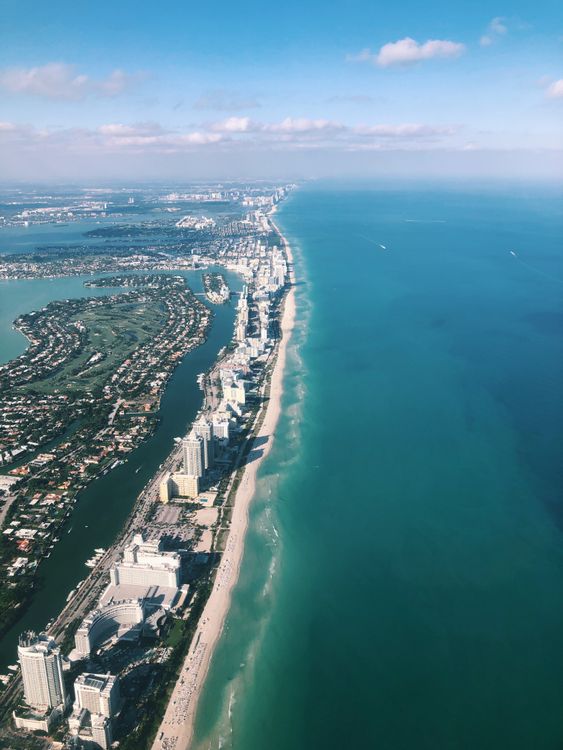
Why does this matter to a buyer who is not a billionaire? Because compound assembly quietly removes the best waterfront lots from the market and resets pricing for everyone who bids on the same enclaves. When a buyer with unlimited capital decides they need the parcel next to yours, they are not comparing it to other listings. They are comparing it to the value of their privacy, which is effectively infinite.
Where Compounds Are Being Built in South Florida
Compound assembly concentrates in a short list of guard-gated or single-access-point enclaves where privacy is the entire product. These are the islands and peninsulas where you can control who reaches your street, and where a single buyer can realistically corner two or more adjacent lots over time.
The all-cash nature of this market makes assembly faster. According to Miami Realtors, cash purchases accounted for 44 percent of January 2026 Miami-Dade closings, well above the 27 percent national average. At the compound price tier, effectively every deal is cash, which means no appraisal contingency and no financing timeline to slow down a buyer who wants the neighbor's lot the day it lists. The true cost of owning a Miami luxury property at this level is carrying cost, not a mortgage.
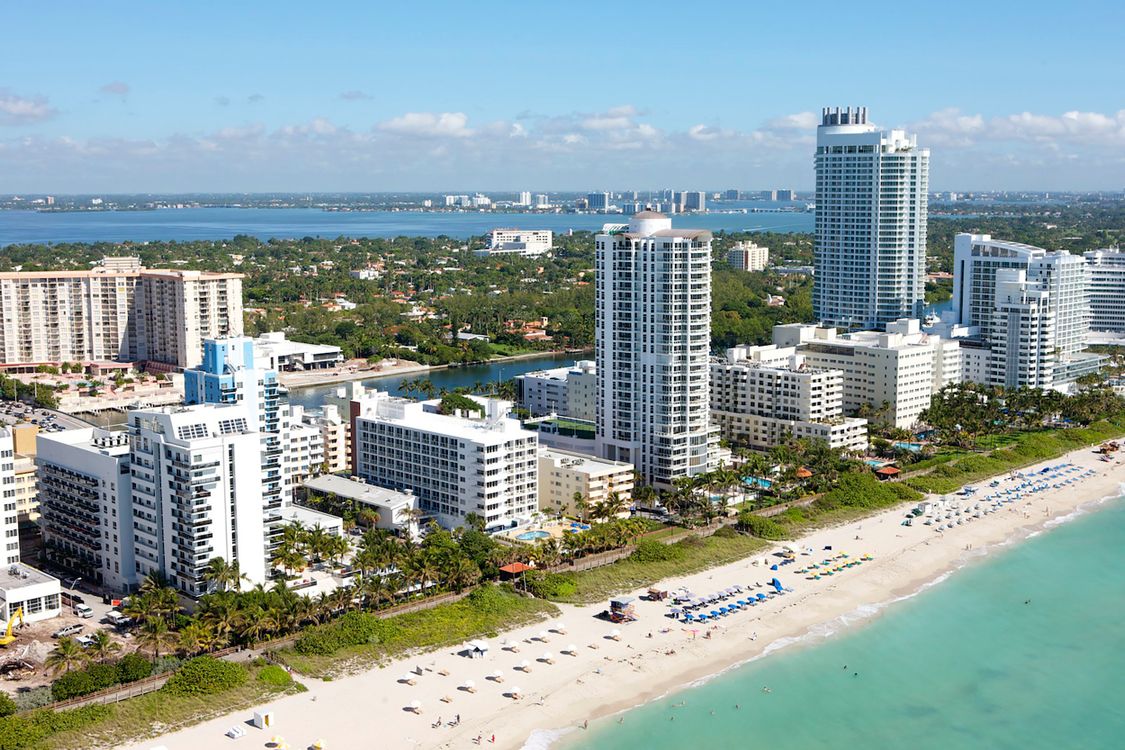
The enclaves seeing the most compound activity right now:
- Indian Creek Village: The 41-lot guard-gated island where Jeff Bezos has assembled multiple parcels. Effectively no new supply, ever.
- Venetian Islands: A chain of causeway islands between Miami Beach and downtown, where the $33M July 2026 East Dilido double-lot deal closed.
- Star, Palm, and Hibiscus Islands: Private-bridge islands off the MacArthur Causeway favored for their single point of access.
- Bay Point: A gated mainland enclave off Biscayne Boulevard that recently set a canal-front record above $27 million.
- North Bayshore Drive: Where a broker closed two adjacent-area deals worth $36.5M on the same July 2026 day, per The Real Deal.
Compounds vs. Single Trophy Homes: How the Two Markets Compare
Buyers above $10 million are increasingly choosing between a finished trophy home and a raw assembly play. Here is how the two paths compare as of Q3 2026:
| Factor | Compound Assembly | Single Trophy Home |
|---|---|---|
| Timeline | Years; wait for the neighbor to sell | One closing, move-in ready |
| Privacy Control | Total; you own both sides | Limited by adjacent owners |
| Premium Paid | Above-market for the last lot | Market comp for one parcel |
| Best Enclaves | Indian Creek, Venetian, Star Island | Any waterfront neighborhood |
| Typical Buyer | Billionaire, family office | $5M-$40M individual buyer |
Most buyers reading this should not try to out-assemble Jeff Bezos. But the table matters because it tells you how to bid intelligently when a compound buyer is in your market. If you are eyeing a lot on an island where assembly is active, assume the parcel next door carries a hidden premium and price your offer to close fast and clean, because a family office competing for the same land will. The same land-scarcity math has already reset comps one enclave over, where a $31M teardown at 220 Bal Bay Drive in Bal Harbour recently traded almost entirely for its land.
The Slow-Season Signal Buyers Should Not Ignore
When ultra-luxury deals cluster in July, the traditional off-season, it tells you demand at the top is structural, not seasonal. My advice to buyers on this trend is simple: do not wait for the fall market to shop the best waterfront enclaves. The compound buyers are not waiting, and every parcel they take off the board tightens supply for everyone else. When a Colombian or Brazilian client asks me whether summer is a bad time to buy Miami waterfront, I tell them the opposite is true right now: the wealthy buyers driving these prices are active year-round, so the only real question is whether the specific lot you want is still available.
The broader data supports the read. From January to May 2026, 105 Miami-Dade homes and condos sold for $10 million or more, a 35 percent year-over-year increase, according to The Real Deal, and a meaningful share of that volume concentrated in the enclaves where compounds get built. For buyers in the $3 million to $8 million range looking at waterfront or pre-construction across Miami neighborhoods, the takeaway is that the top of the market is pulling prices up, not cooling. Before committing at any tier, understand the full financial picture, including Florida's SB 4D reserve and assessment rules for condos and, for international buyers, the structuring options in the foreign national guide.
If you are seriously considering an assembly play, here is the framework I walk clients through before they buy the first lot:
- Confirm zoning allows combination: Not every enclave permits merging two lots or building across a shared line. Verify the unified-site-plan or lot-combination path with the municipality before you close on parcel one.
- Structure each purchase separately: Buy each lot through its own LLC or trust so you protect privacy and keep your negotiating hand hidden from the second seller. Country-specific options are in the foreign national real estate guide.
- Budget for the last-lot premium: The neighbor who realizes you need their parcel will price accordingly. Model a 15 to 30 percent premium on the final lot into your total.
- Plan the tax exposure: The Miami real estate tax guide covers property tax, homestead, and treaty considerations for international buyers holding multiple parcels.
"The compound buyers I work with are not chasing square footage, they are buying control. When someone tells me they want a waterfront home in Indian Creek or the Venetian Islands, my first question is always whether the lots on either side could ever come available, because that answer, not the finishes, is what protects the value long-term." Gerardo Gonzalez, Licensed Real Estate Agent at Compass
Frequently Asked Questions About Miami Compound Buying
What is compound assembly, or landmaxxing, in Miami luxury real estate?
Compound assembly is when a single ultra-wealthy buyer purchases two or more adjacent waterfront lots and combines them into one private estate. In Miami, buyers are doing this on Indian Creek Village, Star and Hibiscus Islands, the Venetian Islands, and Bay Point. A $33 million July 2026 deal on East Dilido Drive bought two adjacent Venetian Islands parcels totaling 0.7 acres, according to The Real Deal.
Which billionaires are assembling Miami and South Florida compounds?
Jeff Bezos has spent over $230 million on multiple Indian Creek Village lots. Ken Griffin has accumulated a roughly 27-acre Palm Beach compound worth over $450 million over more than a decade. In July 2026, WeatherTech founder David MacNeil paid $36 million for an oceanfront Manalapan property, part of over $136 million in compound spending since February, according to The Real Deal.
Why are ultra-luxury Miami sales strong during the slow summer season?
Summer is traditionally Miami's slow season, but wealth concentration is overriding seasonality. Between July 13 and 19, 2026, nine Miami-Dade luxury homes and condos went under contract totaling $79.8 million in asking dollar volume, led by a $32 million Fisher Island mansion, according to The Real Deal. Ultra-wealthy buyers do not shop by calendar; they act when the right adjacent parcel becomes available.
Can a regular luxury buyer assemble adjacent lots into a compound?
Yes, but it requires patience and legal structure. You rarely buy both lots at once; you secure one, then wait for the neighbor to sell, often paying a premium for the assembled parcel. Zoning must permit a lot combination or unified site plan, and each purchase should run through an LLC or trust for privacy and tax efficiency. Financing is usually all-cash: 44 percent of Miami-Dade closings were cash in early 2026, per Miami Realtors.
How does compound buying affect Miami waterfront lot prices?
It pushes prices up permanently. When a billionaire needs the lot next door, they are not price-sensitive, which resets the comp for every neighbor. This is why a single Venetian Islands or Indian Creek parcel now trades far above its standalone value. From January to May 2026, 105 Miami-Dade homes and condos sold for $10 million or more, a 35 percent year-over-year increase, according to The Real Deal.
More Questions About Miami Waterfront Compounds