Edgewater sells volume and negotiating room; Coconut Grove sells scarcity you pay up front for. Edgewater carries about 548 active listings, a $712,000 median sold price near $711 per square foot, and 94 days on market, a buyer's market per realtor.com June 2026 data. Coconut Grove that same month carries about 325 listings, a $1,820,500 median sold price near $1,265 per square foot, and 77 days on market. The signature launches follow the same split: Villa Miami, 56 stories and 70 residences from $4.5 million; The Lincoln, 8 stories and 48 residences from $1.5 million.

Edgewater and Coconut Grove sit about two miles apart on Biscayne Bay, bracketing Brickell, but they are different worlds, and the new construction in each shows it. Edgewater is a dense, fast-rising corridor of new glass condo towers just north of downtown Miami, and its signature 2026 launch is Villa Miami: 70 half-floor and full-floor residences rising 56 stories at 710 NE 29th Street, by Terra, One Thousand Group, and Major Food Group, from $4.5 million. Coconut Grove is an older, tree-canopied village of low-rise condos, marinas, and historic homes south of Brickell, where land is scarce and new product is rare. Its signature 2026 launch is The Lincoln: 48 boutique residences across 8 stories at 2650 Lincoln Avenue, by LORE Development Group and Element Development, from $1.5 million. One is vertical, ultra-luxury, and amenity-driven; the other is low-rise, boutique, and walkable. This guide compares both on price, new construction, lifestyle, and investment so you can decide which fits. For a broader frame, see our Miami pre-construction buyer guide and the Q1 2026 market report.
Prices: Neighborhood Numbers First, Then the Two Launches
Start with the neighborhood-wide numbers, because they set the frame before any single building does. According to realtor.com June 2026 data, Edgewater posts a $712,000 median sold price, a $758,000 median list price, roughly $711 per square foot, about 548 active listings, and a 94-day median time on market, which realtor.com classifies as a buyer's market. Coconut Grove in the same month posts a $1,820,500 median sold price, a $2,615,000 median list price, roughly $1,265 per square foot, about 325 active listings, and 77 days on market. The Grove runs about 78 percent higher per square foot on roughly 40 percent less inventory. That is the comparison in two lines: Edgewater gives you choice and leverage, the Grove gives you scarcity and a higher price of admission. Last verified: August 10, 2026.
| Neighborhood metric (June 2026) | Edgewater | Coconut Grove |
|---|---|---|
| Median sold price | $712,000 | $1,820,500 |
| Median list price | $758,000 | $2,615,000 |
| Price per square foot | ~$711 | ~$1,265 |
| Active listings | ~548 | ~325 |
| Median time on market | 94 days | 77 days |
| Luxury price band | $400K to $12M | $1M to $15M |
| Typical HOA | $1.25 to $3.25 / sqft | $1.80 to $3.50 / sqft |
Now the two signature launches, which sit at opposite ends of the price ladder and capture the same split at the building level. Villa Miami in Edgewater starts at $4.5 million and runs past $8.5 million for full-floor penthouses, with per-foot pricing roughly $1,060 to $1,500 according to the developer. There are no studios or one-bedrooms; the smallest residence is about 3,000 square feet. The Lincoln in Coconut Grove starts at $1.5 million, with currently listed residences running from about $1,520,000 to $3,115,000, and unit sizes from roughly 1,227 to 3,073 square feet. So the entry price in the Grove building is about a third of the Edgewater tower's, but for a much smaller home. The read: Edgewater's signature launch is a vertical ultra-luxury play with very large floor plates, while the Grove's is a boutique, more attainable entry into a neighborhood where new product almost never appears.
| Metric | Villa Miami (Edgewater) | The Lincoln (Coconut Grove) | Source |
|---|---|---|---|
| Starting price | $4,500,000 | $1,500,000 | Developer / building page |
| Price ceiling | $8,500,000+ (penthouses) | ~$3,115,000 (listed range) | Developer / building page |
| Unit sizes | ~3,000 to 8,000+ sqft | ~1,227 to 3,073 sqft | Developer floor plans |
| Price per sq ft | ~$1,060 to $1,500 | Boutique entry tier | Developer / building page |
| Built form | 56-story glass tower | 8-story boutique low-rise | Developer / building page |
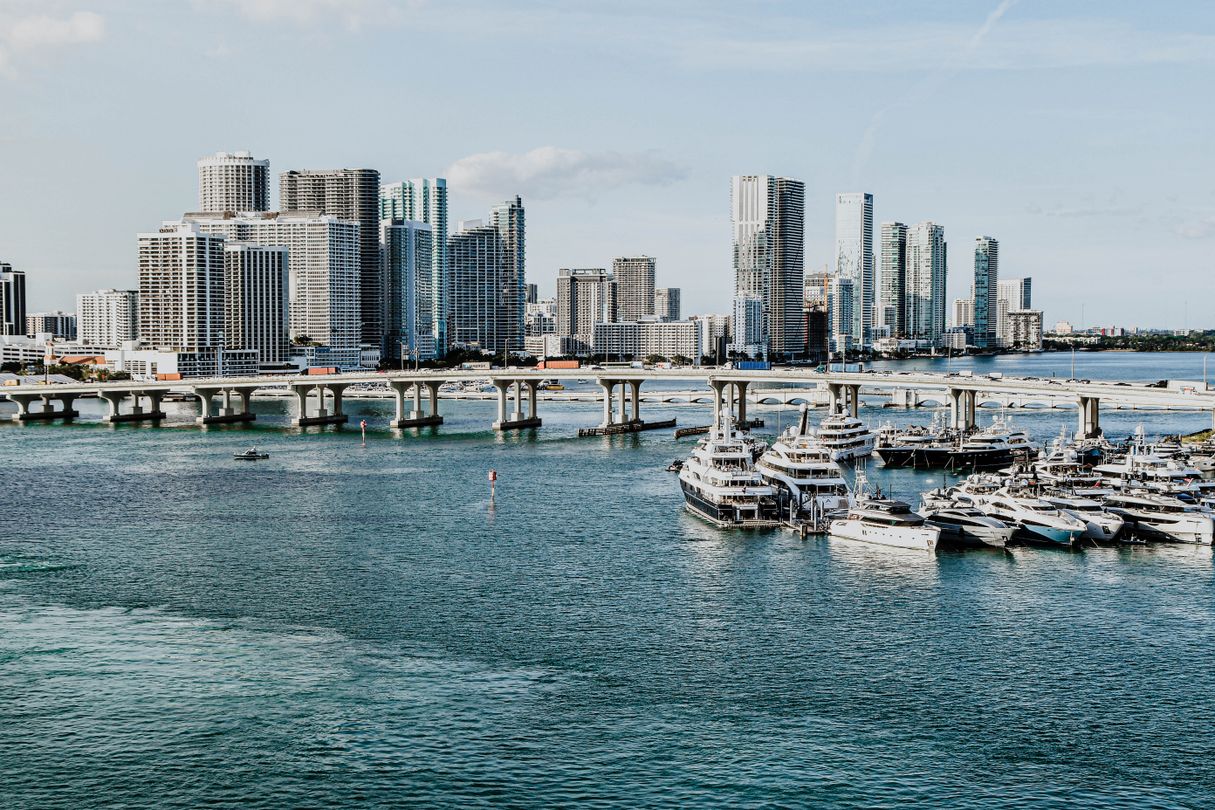
New Construction: Vertical Tower vs Boutique Low-Rise
The form of each building is the clearest contrast. Villa Miami is a 56-story tower with 49 residential floors and 3 dedicated club amenity levels, designed by ODP Architects, with only 70 residences total, every one a half-floor or full-floor layout. The Lincoln is an 8-story building with 48 residences, designed by Paredes Architects, with Winmar Construction as general contractor. Both are small unit counts, but they get there in opposite ways: Villa Miami stays exclusive by stacking very large floor plates high in the air, while The Lincoln stays small because Coconut Grove's scarce land does not support a tower. I track reservations, contract milestones, and construction status on both through Compass back-end data and direct conversations with the sales offices.
- Villa Miami (Edgewater): A 56-story bayfront tower at 710 NE 29th Street, by Terra, One Thousand Group, and Major Food Group, designed by ODP Architects. 70 half-floor and full-floor residences from about 3,000 to over 8,000 square feet, from $4.5 million, with late 2027 delivery.
- The Lincoln (Coconut Grove): An 8-story boutique building at 2650 Lincoln Avenue, by LORE Development Group and Element Development, designed by Paredes Architects. 48 residences from 1BR-plus-den to 4BR-plus-den, roughly 1,227 to 3,073 square feet, from $1.5 million, with Q3 2028 delivery. Construction started in June 2026, with about 40 percent of units pre-sold, according to Florida YIMBY.
| Detail | Villa Miami (Edgewater) | The Lincoln (Coconut Grove) |
|---|---|---|
| Developer | Terra & Major Food Group | LORE Development & Element Development |
| Architect | ODP Architects | Paredes Architects |
| Scale | 56 stories, 70 residences | 8 stories, 48 residences |
| Address | 710 NE 29th St, Miami FL 33137 | 2650 Lincoln Ave, Miami FL 33133 |
| Delivery | late 2027 | Q3 2028 |
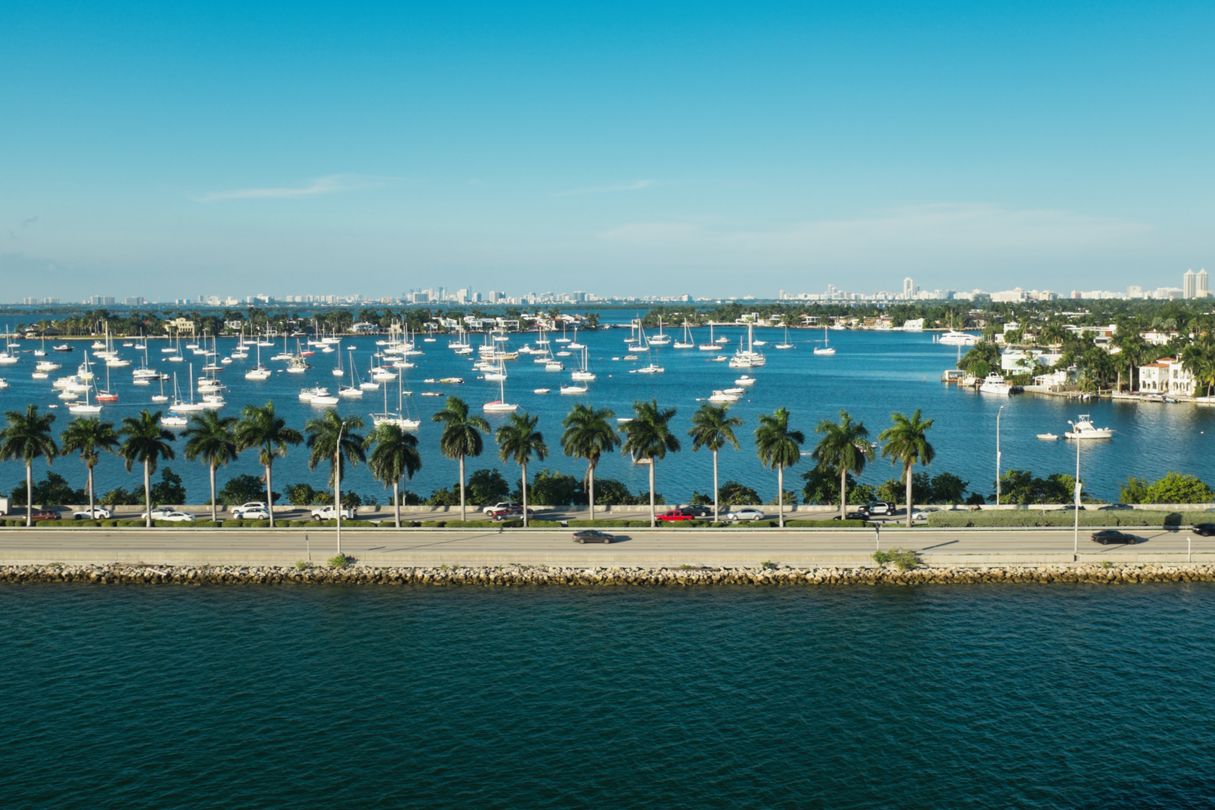
Lifestyle and Signature Amenities: Private Dining vs Wellness Rooftop
Beyond price, the two buildings sell a different daily life, and that mirrors their neighborhoods. Villa Miami leans into Edgewater's bayfront, arts-adjacent energy. It is the first residential partnership between Terra and Major Food Group, the hospitality team behind Carbone, so the signature amenity is a private Major Food Group dining experience and a residents-only wine room, not a restaurant open to the public. ODP Architects gave it three full club amenity levels, and the building sits minutes from the Design District, Wynwood, and downtown. The buyer profile skews toward end-users who want very large floor plates, privacy, and a culinary lifestyle on the water.
The Lincoln leans into Coconut Grove's leafy, walkable village. Its amenity program centers on wellness and a rooftop: a resort-style pool and observation deck with bay and city views, a 40-foot heated lap pool, and a spa-inspired wellness area with sauna, steam room, and plunge tubs. Inside, the developer specifies Snaidero Italian kitchens, full Miele appliance packages, up to 11-foot ceilings, and a den or office in every home. The Grove around it is older than Miami itself, built on a walkable core of cafes, the marina, and CocoWalk, with historic homes and top-rated schools. The buyer here wants a finished, intimate building in a neighborhood where new product almost never appears.
- Villa Miami (Edgewater): Major Food Group private dining and wine room, three club amenity levels, bay views, walkable to the Design District, very large half-floor and full-floor residences.
- The Lincoln (Coconut Grove): rooftop pool and 40-foot lap pool, zen wellness spa, Snaidero kitchens and Miele appliances, a den in every home, walkable Grove village address.
- Shared: both sit near Biscayne Bay, both bracket Brickell minutes away, and both attract out-of-state and international capital.
Who Should Buy Where
The decision usually comes down to scale-and-tier versus scarcity-and-attainability. My straight answer at the neighborhood level, before you even pick a building: if your budget sits under about $1.5 million and you want options, buy Edgewater. With about 548 active listings and 94 days on market, you are the one with leverage there, and I would rather negotiate a direct-bay line in Edgewater than overpay for whatever the Grove happens to list this month. If you are buying to hold for ten years and you care most about what the unit resells for, buy Coconut Grove. The $1,265 per square foot is not a premium for finishes, it is the price of a village that has almost no land left, and that same constraint is what defends your exit. Here is how I sort buyers between the two signature buildings.
- Choose Villa Miami if you want a vertical ultra-luxury tower: a 56-story bayfront address with half-floor or full-floor residences from 3,000 to over 8,000 square feet, Major Food Group private dining, and a starting price of $4.5 million. This is the buyer who wants very large floor plates, a culinary lifestyle, and Edgewater's arts-adjacent energy.
- Choose The Lincoln if you want a scarce, finished boutique in the Grove: an 8-story, 48-residence building with Snaidero kitchens, a den in every home, and a starting price of $1.5 million, in a walkable village where new condos almost never appear. This is the buyer who wants the Grove lifestyle in something new and intimate without the bayfront-tower entry price.
- Budget sets the lane: The Lincoln's $1.5 million entry opens the Grove to buyers below Villa Miami's $4.5 million floor, though for a smaller home.
- Villa Miami delivers first: Villa Miami targets late 2027 and The Lincoln Q3 2028, so Villa Miami lands roughly three quarters earlier.
- If you are choosing the neighborhood, not the building: Edgewater is the buyer's market of the two at 94 days on market against the Grove's 77, so a patient buyer wins on terms there. Coconut Grove is where you pay closer to asking and get supply protection on the way out.
- Foreign and out-of-state buyers: both draw international capital. Build the ownership structure before signing. See the LLC structuring for foreign buyers guide.
According to Miami Realtors, foreign buyers purchased $4.4 billion of South Florida residential property in 2025, up from $3.1 billion in 2024, and the National Association of Realtors counted $56 billion in U.S. residential purchases by international buyers from April 2024 to March 2025. That capital flows to both corridors. For 30-day-minimum yield plays nearby, see the Brickell luxury condos guide. For more on the Grove itself, see the Coconut Grove luxury condos guide.
HOA Fees, SB 4D Risk, and Carrying Costs
Carrying costs are the due-diligence step buyers most often underestimate, and the two buildings sit at very different scales. Villa Miami carries 70 ultra-luxury residences with three full club amenity levels, including Major Food Group dining, a spa, and a private marina, which is a deeper and more expensive service load than a boutique building. The Lincoln runs a leaner amenity set across 48 units, a rooftop pool, wellness spa, fitness center, and 24/7 front desk, so its shared costs are spread over a smaller, lower-service building. On either, add Miami-Dade property tax near 2 percent of assessed value and condo insurance that varies sharply with flood zone, and total carrying cost climbs quickly on a multimillion-dollar unit.
On structural-reserve risk the two buildings actually line up. Both are brand-new construction, Villa Miami delivering late 2027 and The Lincoln Q3 2028, so both sidestep most of the Florida SB 4D Milestone Inspection and Structural Integrity Reserve Study catch-up risk that weighs on older mid-rise stock. The Lincoln also carries a Green Building certification per the developer. The harder due diligence on a pre-construction purchase is the developer's financial package, not deferred maintenance, so I review the escrow agent, surety bond, and deposit schedule before any client writes an offer at either building. For a full pre-purchase check, see the SB 4D special assessments guide.
How They Stack Up Against the Wider Bayfront
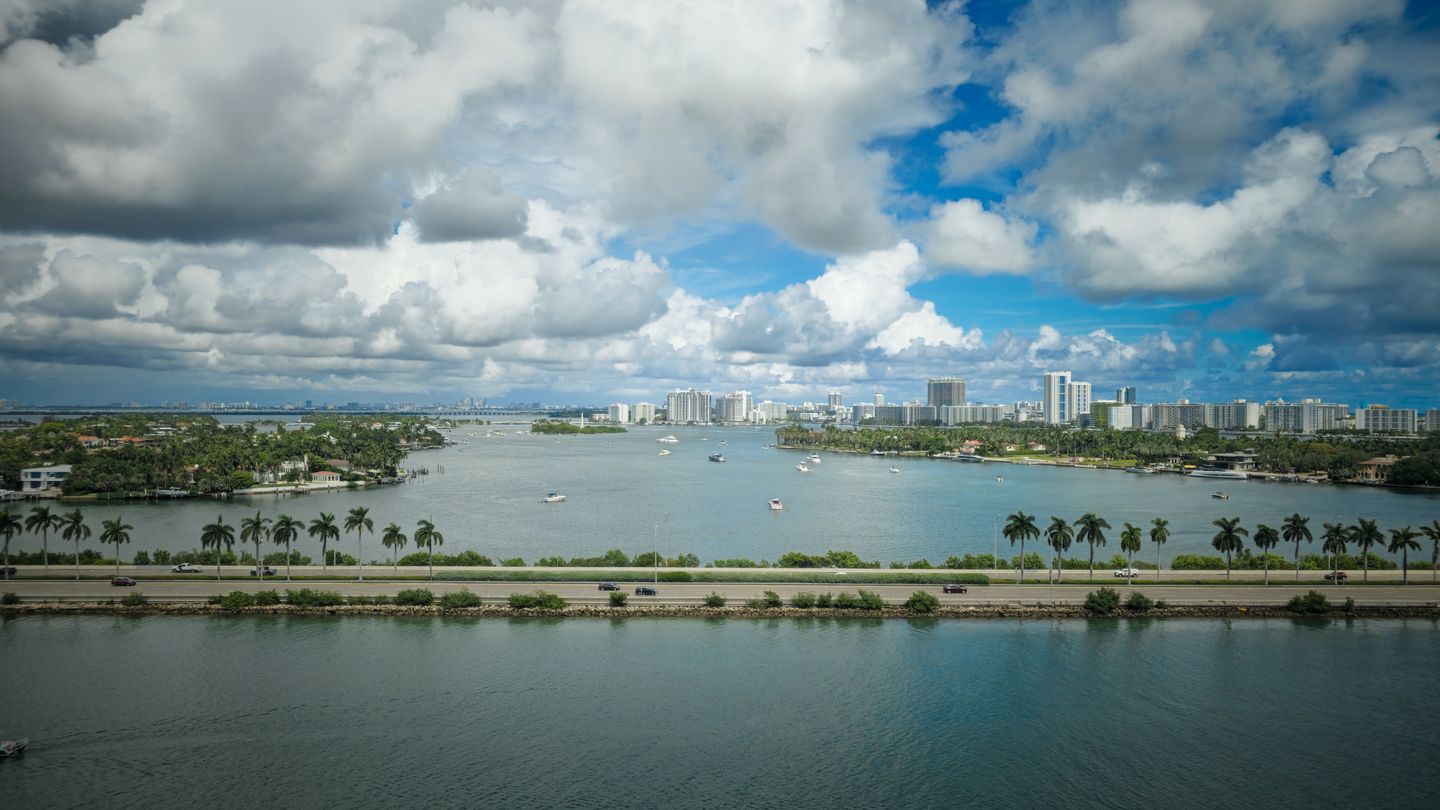
Both buildings sit inside a corridor of affluent Biscayne Bay communities. Placing them next to their neighbors clarifies the trade. Edgewater anchors the band of pre-construction towers where Villa Miami sits at the ultra-luxury top, Coconut Grove offers scarce low-rise village product like The Lincoln, and Brickell and Downtown fill the dense urban core between them.
| Submarket | Typical Frontage | Signature 2026 New Build | Form | Best For |
|---|---|---|---|---|
| Edgewater | Biscayne Bay high-rise | Villa Miami, from $4.5M | 56-story tower | Ultra-luxury, large floor plates, city energy |
| Coconut Grove | Walkable village low-rise | The Lincoln, from $1.5M | 8-story boutique | Leafy village, scarce new product, attainable entry |
| Brickell | Bay / urban high-rise | Branded towers | High-rise | Walkable finance district, rentals |
| Coconut Grove (homes) | Waterfront estates | Custom / resale | Single-family | Historic and waterfront homes |
| Downtown / Arts District | Bay / urban | Mixed new product | High-rise | Urban product near Edgewater |
For deeper apples-to-apples comparisons on new branded inventory, see the Cipriani vs St. Regis Brickell comparison and the HQ vs Edition Residences Edgewater comparison.
Investment Outlook: Scale Play vs Scarcity Play
The two buildings reward different investor instincts. Villa Miami is the scale-and-brand play: a 56-story Edgewater tower with only 70 very large residences, the first residential partnership between Terra and Major Food Group, in a corridor minutes from the Design District and downtown jobs. Terra's portfolio includes Grove at Grand Bay and Eighty Seven Park, which is part of why the launch carries a premium. The trade-off at the ultra-luxury tier is a higher entry price, $4.5 million and up, so the buyer pool is narrower and the underwrite leans on the strength of the brand and the floor plates rather than volume.
The Lincoln is the scarcity play. Coconut Grove rarely sees new condos because land is scarce, so a small, finished 48-unit building tends to hold value well. The proof of demand is already on the board: roughly 40 percent of the units were pre-sold before construction topped out, according to Florida YIMBY, and the partners paid $8.56 million for the site in 2023. At a $1.5 million entry with Snaidero and Miele finishes, it sits well below the Grove's bayfront ultra-luxury towers. The cleanest framing: Villa Miami for the ultra-luxury scale-and-brand bet, The Lincoln for boutique scarcity at an attainable entry. For full income underwriting, see the true cost of owning a Miami luxury condo.
On strategy, Villa Miami's very large floor plates and culinary lifestyle skew toward end-users and long-hold owners, while The Lincoln's smaller, finished, walkable product suits buyers who want a foothold in a supply-locked village. Both reward a clear-eyed underwrite. For a broader market read, see the Q1 2026 Miami pre-construction report.
How I Help Buyers Choose Between Them
I maintain a live read on both buildings pulled from Compass back-end data and direct conversations with the sales offices, Villa Miami in Edgewater and The Lincoln in Coconut Grove. For pre-construction in either, I review the developer's financial package, the escrow agent, the surety bond, and the deposit schedule line by line. At The Lincoln the published plan is 20 percent at contract, 10 percent at groundbreaking, 10 percent at the fifth-floor pour, and 60 percent at closing, so I walk clients through exactly when their capital is committed. I run a base-case carrying-cost scenario, an appreciation scenario, and a downside scenario on every unit a client considers, so the choice between a 56-story tower and an 8-story boutique is grounded in numbers, not the sales-center pitch.
"These two buildings bracket Brickell and solve opposite problems. Villa Miami is the ultra-luxury scale play; you buy a half-floor or full-floor residence in a 56-story Terra and Major Food Group tower from $4.5 million. The Lincoln is the scarcity play, a finished 48-unit Coconut Grove boutique from $1.5 million in a village that barely gets new condos. I tell clients to look at both, because the right answer depends on whether you want a vertical bayfront tower or an intimate low-rise in the Grove."Gerardo Gonzalez, Licensed Real Estate Agent at Compass
Want a side-by-side on Villa Miami and The Lincoln, or a wider shortlist across Edgewater and Coconut Grove matched to your budget, timing, and use case? Reach out for a 30-minute consultation. I will send you the top opportunities with full developer due diligence and a side-by-side comparison within 48 hours.
Key Takeaways
- Price of entry is the first split: Edgewater's median sold price is $712,000 at roughly $711 per square foot, while Coconut Grove's is $1,820,500 at roughly $1,265 per square foot, per realtor.com June 2026 data. The Grove runs about 78 percent higher per foot.
- Scale is the second split: Edgewater builds vertically, and its signature 2026 launch, Villa Miami, is a 56-story tower with 70 half-floor and full-floor residences from $4.5 million. Coconut Grove builds small, and The Lincoln is an 8-story boutique of 48 residences from $1.5 million.
- The developers are different animals: Villa Miami is the first residential partnership between Terra and Major Food Group, the hospitality team behind Carbone. The Lincoln is by LORE Development Group and Element Development, with Paredes Architects and Winmar Construction.
- Delivery timing favors Villa Miami: Villa Miami targets late 2027 and The Lincoln Q3 2028, roughly three quarters apart, and The Lincoln was already about 40 percent pre-sold when construction started in June 2026, per Florida YIMBY.
- Who each suits: Edgewater suits the buyer who wants choice and negotiating leverage, with about 548 active listings and a 94-day median time on market, which realtor.com calls a buyer's market. Coconut Grove suits the long-hold buyer paying for scarcity, with about 325 listings and 77 days on market.
Quick Facts: Edgewater vs Coconut Grove
| Median sold price (June 2026) | Edgewater: $712,000 / Coconut Grove: $1,820,500 |
| Price per square foot | Edgewater: ~$711 / Coconut Grove: ~$1,265 |
| Luxury price band | Edgewater: $400K to $12M / Coconut Grove: $1M to $15M |
| Active listings | Edgewater: ~548 / Coconut Grove: ~325 |
| Median time on market | Edgewater: 94 days / Coconut Grove: 77 days |
| Signature 2026 launch | Edgewater: Villa Miami, 56 stories, 70 residences from $4.5M / Coconut Grove: The Lincoln, 8 stories, 48 residences from $1.5M |
| Typical HOA | Edgewater: $1.25 to $3.25 / sqft / Coconut Grove: $1.80 to $3.50 / sqft |
Frequently Asked Questions
What is the difference between Edgewater and Coconut Grove?
They are two Miami neighborhoods about two miles apart that bracket Brickell, and their signature 2026 launches show the contrast. Edgewater is a dense corridor of new glass towers; Villa Miami there is a 56-story bayfront tower of 70 half-floor and full-floor residences from $4.5 million, by Terra, One Thousand Group, and Major Food Group. Coconut Grove is an older, walkable village where land is scarce; The Lincoln there is an 8-story boutique of 48 residences from $1.5 million, by LORE Development Group and Element Development. Edgewater is vertical and ultra-luxury; Coconut Grove is low-rise and boutique.
Is Edgewater or Coconut Grove more expensive in 2026?
It depends on the building, but the signature launches diverge sharply. Villa Miami in Edgewater starts at $4.5 million and runs past $8.5 million for full-floor penthouses, with per-foot pricing roughly $1,060 to $1,500, and no unit smaller than about 3,000 square feet. The Lincoln in Coconut Grove starts at $1.5 million, with listed residences to about $3,115,000 and unit sizes from roughly 1,227 to 3,073 square feet. So the Grove building's entry is about a third of the Edgewater tower's, but for a smaller home. The tower costs more per residence; the boutique is more attainable.
What new condos are coming to Edgewater and Coconut Grove in 2026?
In Edgewater, Villa Miami is a 56-story tower at 710 NE 29th Street by Terra, One Thousand Group, and Major Food Group, designed by ODP Architects, with 70 half-floor and full-floor residences from $4.5 million and late 2027 delivery. In Coconut Grove, The Lincoln is an 8-story boutique at 2650 Lincoln Avenue by LORE Development Group and Element Development, designed by Paredes Architects, with 48 residences from $1.5 million and Q3 2028 delivery. Construction on The Lincoln started in June 2026 with about 40 percent of units pre-sold, per Florida YIMBY.
Which is a better investment?
It depends on strategy. Villa Miami is the scale-and-brand play: a 56-story tower with only 70 very large residences and the first branded residential tower from Major Food Group, at a $4.5 million entry. The Lincoln is the scarcity play: a finished 48-unit boutique in a village that rarely gets new condos, about 40 percent pre-sold before topping out per Florida YIMBY, at a $1.5 million entry. I underwrite both with a base case and a downside case before recommending either.
Can you walk or drive easily between Edgewater and Coconut Grove?
They are about two miles apart and connected by Brickell Avenue, Bayshore Drive, and South Miami Avenue, a 10 to 15 minute drive with Brickell directly between them. They are not walkable to each other, but both are highly walkable internally. Villa Miami's Edgewater address sits near the Design District; The Lincoln's Grove address sits near the walkable village core of cafes, the marina, and CocoWalk. Buyers often tour both in one afternoon because they bracket Brickell.
Who should buy in Edgewater versus Coconut Grove?
Buyers who want a vertical ultra-luxury tower with half-floor or full-floor residences, Major Food Group private dining, and a $4.5 million entry choose Villa Miami in Edgewater. Buyers who want a finished, intimate boutique with Snaidero kitchens, a den in every home, and a $1.5 million entry in a supply-locked village choose The Lincoln in Coconut Grove. Budget and the choice between a big tower residence and a smaller boutique home usually decide it.
What are HOA fees and carrying costs like?
The two buildings sit at different service scales. Villa Miami carries 70 ultra-luxury residences with three club amenity levels, including Major Food Group dining and a spa, a deeper service load. The Lincoln runs a leaner amenity set across 48 units. Both are new construction, so both sidestep most Florida SB 4D milestone and reserve catch-up risk that older mid-rise condos carry. Add Miami-Dade property tax near 2 percent and condo insurance that varies with flood zone. I pull the developer's financial package before a client writes an offer at either.
Edgewater vs Coconut Grove: Expert Q&A
About the author: Gerardo Gonzalez is a licensed real estate agent at Compass, specializing in South Florida luxury and pre-construction real estate. Luxury Dade Group at Compass. (305) 964-8614 | [email protected]
Related guides: Coconut Grove luxury condos | Brickell luxury condos | HQ vs Edition Edgewater comparison | SB 4D special assessments guide | LLC structuring for foreign buyers | Q1 2026 Miami pre-construction report
Villa Miami or The Lincoln? Let's Decide Together
Book a 30-minute call. I walk you through Villa Miami in Edgewater and The Lincoln in Coconut Grove, the developer due diligence, the deposit schedules, and a side-by-side scenario for your budget and timing. No pitch, just numbers.
Book a ConsultationPrefer to talk? Call me at (305) 964-8614 or WhatsApp.