LuxuryDade's guide for Turkish buyers starts with the fact most people miss: the United States has an income tax treaty with Turkey but no estate tax treaty, according to the IRS. A Turkish owner who holds a Miami condo in their own name triggers a US estate tax filing once US assets pass $60,000. Turkish nationals can buy Miami property in 2026 without a visa, and Turkey is not on Florida's SB 264 restricted list.
I am Gerardo Gonzalez, a licensed agent at Compass in Miami, and most of my international clients buy from abroad. My advice to a Turkish buyer is to settle the ownership structure before the first deposit, because the estate tax gap below is the one mistake that cannot be fixed after the fact. Read my complete guide for foreign national buyers for the general process, then use this page for the Turkey-specific points.

Can a Turkish Citizen Buy Property in Miami in 2026?
Yes. US law sets no citizenship or residency requirement to own a home, and Turkish nationals buy Miami condos, houses and pre-construction units the same way any foreign buyer does. Buying property does not give you any immigration status, so the purchase and the visa are two separate questions.
Florida added a second check in 2023. Its SB 264 law limits property purchases by people tied to seven named "foreign countries of concern": China, Russia, Iran, North Korea, Cuba, the Maduro regime in Venezuela and Syria, according to the Florida Statutes. Turkey is not on that list, so a Turkish buyer signs the standard affidavit at closing and moves on.
E-2 Visa vs Buying a Home: What Turkey's Treaty Status Means
Turkey is a treaty country for both treaty visas: E-1 since February 15, 1933 and E-2 since May 18, 1990, according to the US Department of State. That makes the E-2 investor visa available to Turkish nationals, which is not true for every country.
The E-2 has a condition buyers often skip. The money must go into "a real, active, and operating commercial or entrepreneurial undertaking," according to USCIS. A condo you live in or rent out passively does not meet that test on its own. If residency is the goal, plan the business first with an immigration attorney, or look at the EB-5 investor route. Turkey is not part of the US Visa Waiver Program, so tours and closings are done on a B-1/B-2 visitor visa or remotely.
The Estate Tax Gap: Why Structure Comes Before the Deposit
Buyers from France, Germany, Italy, Japan and the United Kingdom can lean on an estate tax treaty with the United States. Turkey has none: it does not appear on the IRS list of estate and gift tax treaty partners, according to the IRS.
Without a treaty, a Turkish owner is treated as a nonresident, and the executor must file IRS Form 706-NA once US-situated assets pass a filing threshold of $60,000, according to the IRS. That threshold is not indexed for inflation. A Miami condo held in your personal name is a US-situated asset, so almost every Turkish buyer is above it on day one.
The answer is a structure designed before you sign, not a quick fix later. Depending on your residency and other holdings, a cross-border attorney may recommend a specific type of company or trust. See my guide to LLC structuring for foreign buyers for the options and their limits, and have a US tax attorney and a Turkish advisor review the plan together.
Income Tax: The US-Turkey Treaty, Rental Income and FIRPTA
The United States and Turkey do have an income tax treaty, listed on the IRS treaty documents page. Rental income from a Miami property is taxed in the US first, and a nonresident owner files a US return each year, which requires an ITIN or an entity tax number. If you are a Turkish tax resident, Turkey also taxes your worldwide income, and the treaty is what lets you credit US tax against Turkish tax. Confirm the details with a Turkish mali müşavir before you rent the unit.
When you sell, the buyer must withhold 15% of the amount realized under FIRPTA, according to the IRS. On a $1,000,000 sale that is $150,000 held back until your return is processed. My FIRPTA guide for foreign sellers explains how a withholding certificate can reduce it.
Moving Money From Turkey and Paying Deposits in Dollars
Miami pre-construction deposits are paid in US dollars on a fixed schedule, often over two to three years. The lira's long slide against the dollar is why many Turkish buyers already keep savings in dollars or euros. Fund the deposit ladder from dollar holdings where you can, so each milestone is not a new currency bet.
Every US closing now asks where the money came from. Keep bank statements and transfer records that trace the funds from your Turkish account to the escrow agent. If you plan to finance, foreign national and DSCR loans qualify on the property's rent instead of your Turkish income.
Where Turkish Buyers Look in Miami, Including North Bay Village
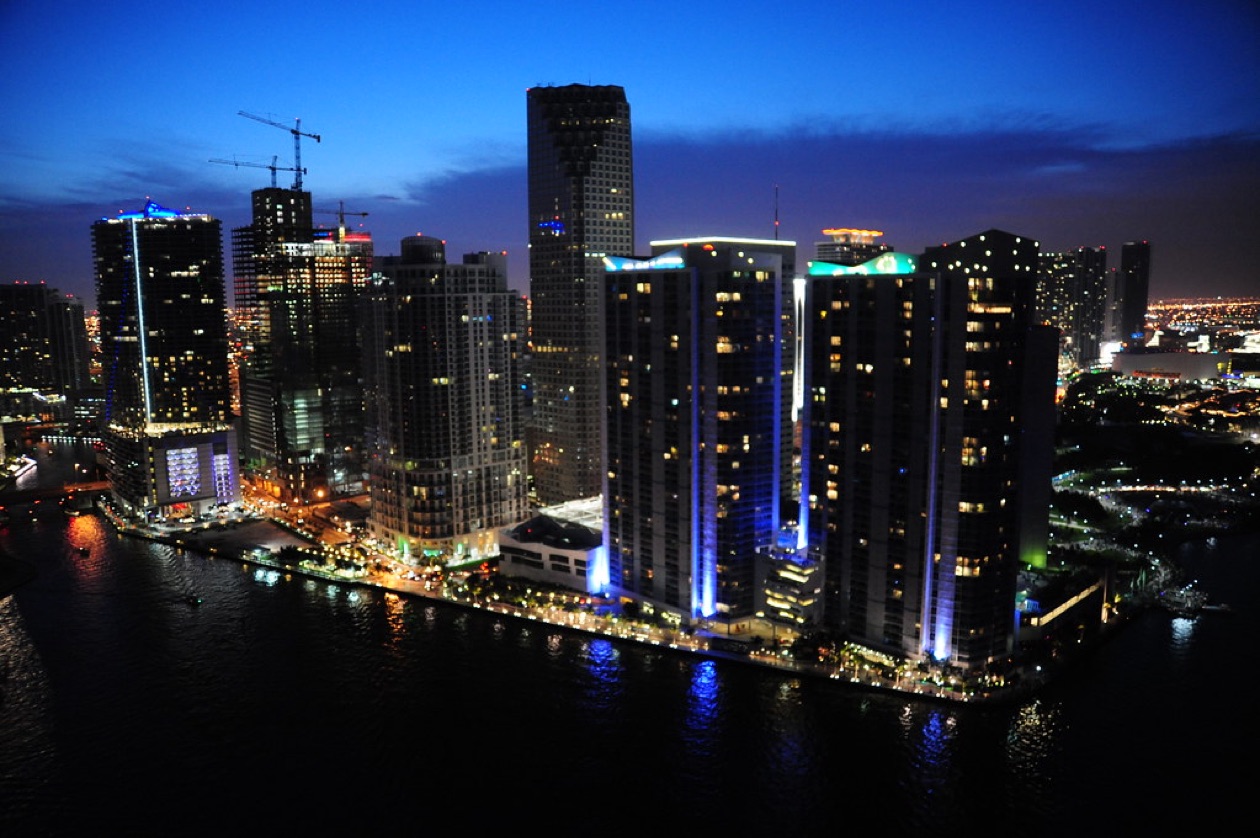
The Turkish-language questions that reach LuxuryDade most often ask about investing in North Bay Village and about the best luxury pre-construction projects in Miami for 2026. North Bay Village sits on the causeway between Miami and Miami Beach, which gives bay views at prices below the beachfront. Brickell and Downtown draw buyers who want rentable, walkable condos near the financial district.
For consular paperwork, such as documents you need certified for a remote closing, the Consulate General of Türkiye in Miami is the closest Turkish mission.
Step by Step: How a Turkish Buyer Closes on a Miami Condo
- Agree the ownership structure with a US tax attorney and a Turkish advisor before you reserve a unit.
- Get an ITIN, or an EIN if you buy through a company.
- Gather source-of-funds records and open the escrow or US bank account.
- Review the deposit schedule in the contract line by line before you sign.
- Close in person on a visitor visa, or remotely with documents certified through the consulate.
- File the US tax return every year, and plan the FIRPTA step before you resell.
"The estate tax gap is the first thing I raise with any Turkish buyer, because it is invisible until it is too late. Pick the structure with your attorneys, then pick the unit, and fund the deposits from dollars you already hold."Gerardo Gonzalez, Licensed Real Estate Agent at Compass
Frequently Asked Questions: Turkish Buyers in Miami

Ready to Work with Gerardo?
Book a 30-minute call. I walk you through specific buildings, units, and numbers relevant to your situation. No pitch, just analysis.
Book a ConsultationPrefer to talk? Call me at (305) 964-8614 or WhatsApp.