A single international buyer paid $15 million for four residences at Colette in South Brickell and is combining them into two custom duplex townhomes across 9,029 square feet, roughly $1,661 per square foot, according to PROFILEmiami. What I am seeing is a real pattern: buyers who could buy a waterfront house are choosing to build mansion-scale homes inside condo towers instead. If you want this, reserve adjacent units before the building is finished, when combining is cleanest and cheapest.

The most interesting Miami luxury deal this summer was not a record-price penthouse. It was a $15 million purchase at Colette, a boutique tower in South Brickell, where one international buyer bought four separate residences and is combining them into two custom duplex townhomes. The four homes total 9,029 square feet and traded at roughly $1,661 per square foot, per PROFILEmiami. That buyer could have bought a waterfront house for the money and chose vertical instead. This is the trend I want buyers to understand, because it is quietly reshaping the top of the Miami condo market.
Combining units is not new, but the scale and frequency in 2026 are. What used to be an occasional side-by-side merger for extra bedrooms is now buyers assembling full-floor and multi-floor estates inside towers, deliberately, from the start. It changes how the best floor plans get absorbed, and it changes what I look for when a client wants mansion-scale living without buying land.
What the Colette deal actually tells us
Four residences, two duplexes, one buyer, 9,029 square feet. Break that down and the strategy is obvious: rather than accept the largest single unit a building offers, the buyer is engineering a home that the building was never going to deliver off the shelf. Two custom duplex townhomes give vertical separation, private stair connections, and roughly 4,500 square feet each, which is house scale inside a condo.
The per-square-foot number matters here. At about $1,661 per foot, this is not a wild premium over what stacked single units command in South Brickell. The buyer is paying roughly market rate for the square footage and getting scale and a custom layout that almost no other tower buyer can access. That is the whole appeal: scarcity without a scarcity premium, if you move early enough in a building's life.
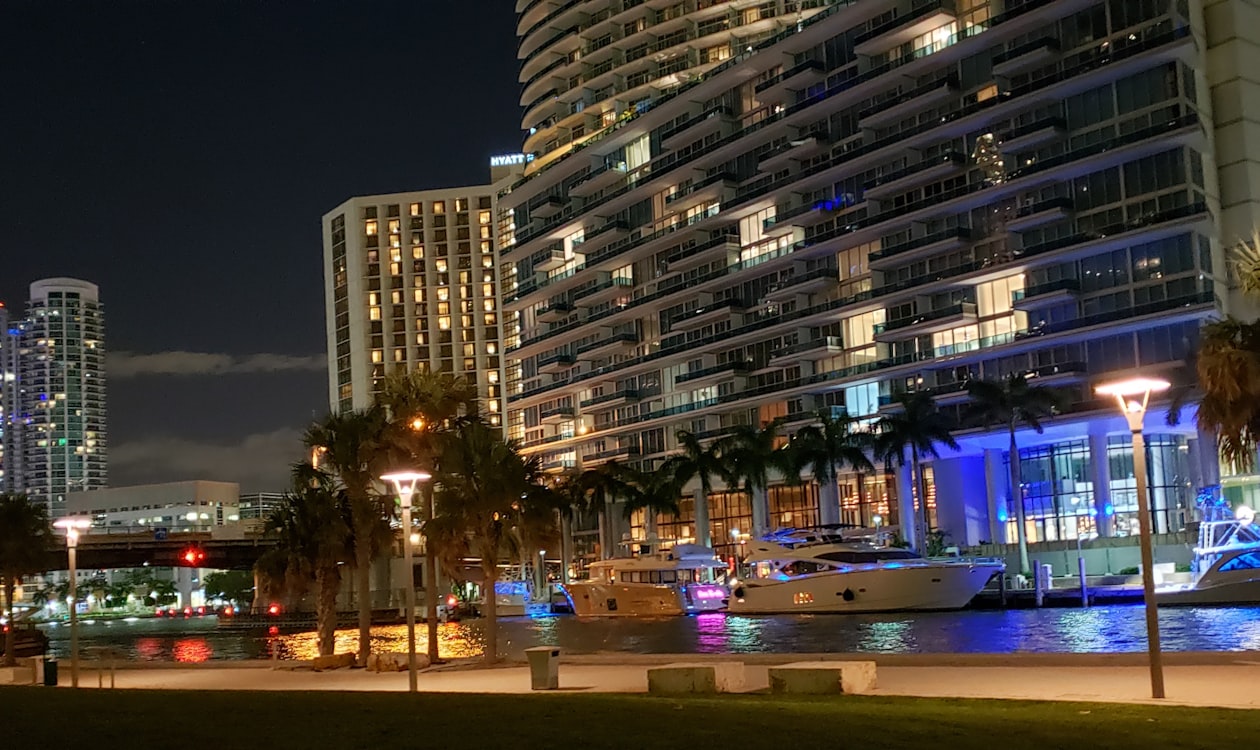
Why buyers are choosing vertical over land
The obvious question is why someone with $15 million to spend would build up instead of buying a waterfront estate. The answer is lifestyle, and it is consistent across the buyers I work with. A combined tower residence gives you house-scale space with the things a house cannot: full-building security, a staffed lobby, amenities, valet, and a lock-and-leave setup that lets you fly out for three months and worry about nothing. For a buyer who splits the year between Miami and another country, that last point is decisive.
There is also a maintenance calculus. A 10,000-square-foot waterfront house in Miami now carries insurance that has moved sharply on the water, a seawall and dock to maintain, and a roof and grounds you own outright. A combined tower residence pushes the building envelope, the roof, and the structural maintenance onto the association. You trade a monthly maintenance fee for freedom from the physical upkeep of a large waterfront property. Plenty of buyers now make that trade willingly.
- Colette combination: 4 residences, $15M, 9,029 sq ft, about $1,661 per square foot, becoming 2 custom duplex townhomes
- What you get: roughly 4,500 sq ft per duplex, private vertical layout, full-building services
- Best window: reserve adjacent units in pre-construction, before floor plans lock and shared walls are poured
- The trade: a monthly maintenance fee and board approval, in exchange for house scale plus lock-and-leave convenience
Notice what the combining buyer is really buying: scarcity. Very few Miami towers offer true mansion-scale floor plans, so a well-combined residence in a strong building has almost no direct competition on resale. That scarcity is the upside. The catch is that a highly personalized layout also narrows your future buyer pool, which is why the building you do this in matters more than the combination itself.
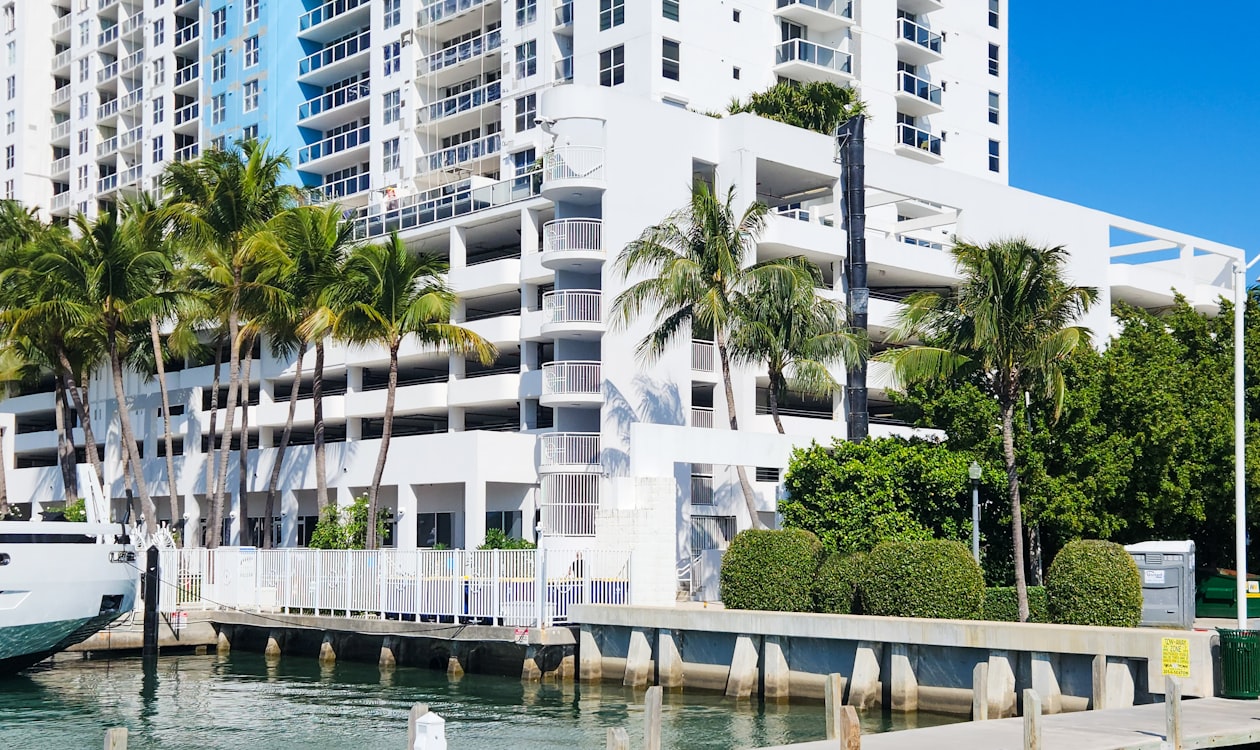
How I walk a client through combining units
When a buyer tells me they want mansion-scale living in a tower, the first thing I do is not look at units, it is read the building. The declaration and bylaws have to permit combining, and boutique or newer buildings are far more flexible than large legacy towers. My advice is always to do this in pre-construction if you can. Reserving adjacent units before the building is poured means the developer can pour a shared floor slab and rough in the connection during construction, which is dramatically cheaper and cleaner than cutting into a finished building later.
If the building already exists, the process is heavier. You need board approval, a structural engineer's sign-off on any wall or floor you plan to open, permits from the city, and often a contribution agreement with the association. None of that is a dealbreaker, but it turns a purchase into a project, and buyers underestimate the timeline. The thing I tell every combining buyer is to underwrite the carrying costs on all the units for a full year before the renovation is done, because you are paying maintenance on empty homes while the work happens.
I also make buyers read the building's financials before they fall in love with the floor plate. A combined residence is only as good as the association behind it. If you want the framework I use, see how to evaluate a Miami condo building's financial health and the breakdown of SB 4-D special assessments, because a building with an underfunded reserve is not a discount, it is a deferred bill you inherit twice over when you own two or four units in it.
"The buyers combining units are not chasing a trophy price, they are buying a home a tower would never sell them off the shelf. My job is to make sure the building can actually support it before a dollar changes hands."
Gerardo Gonzalez, Licensed Agent at Compass
What this trend means for the wider Miami market
Combining units concentrates demand in a way that quietly tightens the best inventory. When one buyer absorbs four residences to build two duplexes, the building loses four sellable units and gains two owners who are almost never going to move. That removes the most desirable floor plates from future circulation, which is part of why the strongest towers feel thinner on premium supply than the raw unit count suggests. It reinforces the broader picture: see the fifth straight monthly decline in Miami condo inventory for how supply has been shrinking at the top.
According to the Miami Association of Realtors, Miami-Dade continues to post year-over-year gains in the luxury tier even as total transaction counts stay soft. The combining-units trend fits that pattern exactly: fewer transactions, higher dollars per deal, and buyers willing to pay for scale and scarcity in the buildings they believe in. It is a wealth story, not a volume story.
For a specific building, the practical read is this. Boutique towers with fewer, larger units are the natural home for combinations, and buildings like Colette in South Brickell are being bought this way on purpose. If a tower's floor plans are already generous and its board is combination-friendly, expect the largest homes to be assembled by buyers, not delivered by the developer, and price the remaining inventory with that in mind.
Frequently asked questions
What does it mean to combine condo units into a sky duplex?
It means buying two or more adjacent or stacked residences and merging them into one home, often across two floors, to create mansion-scale square footage inside a condo tower. At Colette in South Brickell, a single buyer paid $15 million for four residences totaling 9,029 square feet and is combining them into two custom duplex townhomes, according to PROFILEmiami.
How much did the Colette combination cost per square foot?
The four Colette residences traded at $15 million across 9,029 square feet, which works out to roughly $1,661 per square foot, per PROFILEmiami. That is competitive with what stacked single units command in South Brickell, and the buyer gets full-floor scale and a private duplex layout instead of a standard flat, which is the trade that makes combinations attractive at that price.
Why are Miami luxury buyers combining units instead of buying a house?
They want single-family scale with condo convenience: full-building security, amenities, staff, and a lock-and-leave lifestyle, without the maintenance of a waterfront house. Combining units delivers 8,000 to 10,000 square feet of private living high above the city while keeping the services a tower provides. For international buyers who split time between countries, that lock-and-leave factor often matters more than the land a house would include.
Can you combine units in any Miami condo building?
No. The building has to allow it structurally and in its declaration, and boutique or newer towers are far more flexible than large legacy buildings. Combining units usually requires board approval, a structural review of any shared wall or floor you plan to open, permits, and sometimes developer sign-off during pre-construction. The cleanest combinations happen when a buyer reserves adjacent units before the building is built.
Is combining condo units a good investment in 2026?
It can be, but the resale pool for an 8,000-square-foot custom duplex is small, so you are buying for use more than for liquidity. The upside is scarcity: very few Miami towers offer true mansion-scale floor plans, so a well-combined residence in a strong building has almost no direct competition. The risk is that a highly personalized layout narrows your future buyer. Combine in a building with durable demand, not a speculative one.
Where this leaves you
If you want mansion-scale living without buying land, combining units is a real strategy in 2026, not a rarity. Do it in pre-construction when you can, read the building's declaration and financials before you commit, and underwrite a full year of carrying costs on every unit while the work happens. The scarcity you are buying is genuine, but it only holds value in a building with durable demand and a combination-friendly board.
For the broader framework on how the top of this market is moving, see my Miami pre-construction buyer guide and the true cost of owning a Miami luxury condo. Buyers who would rather buy one large home than assemble one usually start with the penthouse tier in South Beach. If you want me to identify buildings where combining is realistic and price a specific assembly, call me directly at (305) 964-8614.