Miami-Dade buyers signed nine luxury contracts asking $79.8 million between July 13 and July 19, 2026, and six single-family homes accounted for $59.9 million of that, according to The Real Deal. What I am watching is not the headline total but the split: houses took 75 percent of the dollars from a third of the contracts. If you are shopping the condo side above $5 million, price against 172 days on market, not against the asking price.
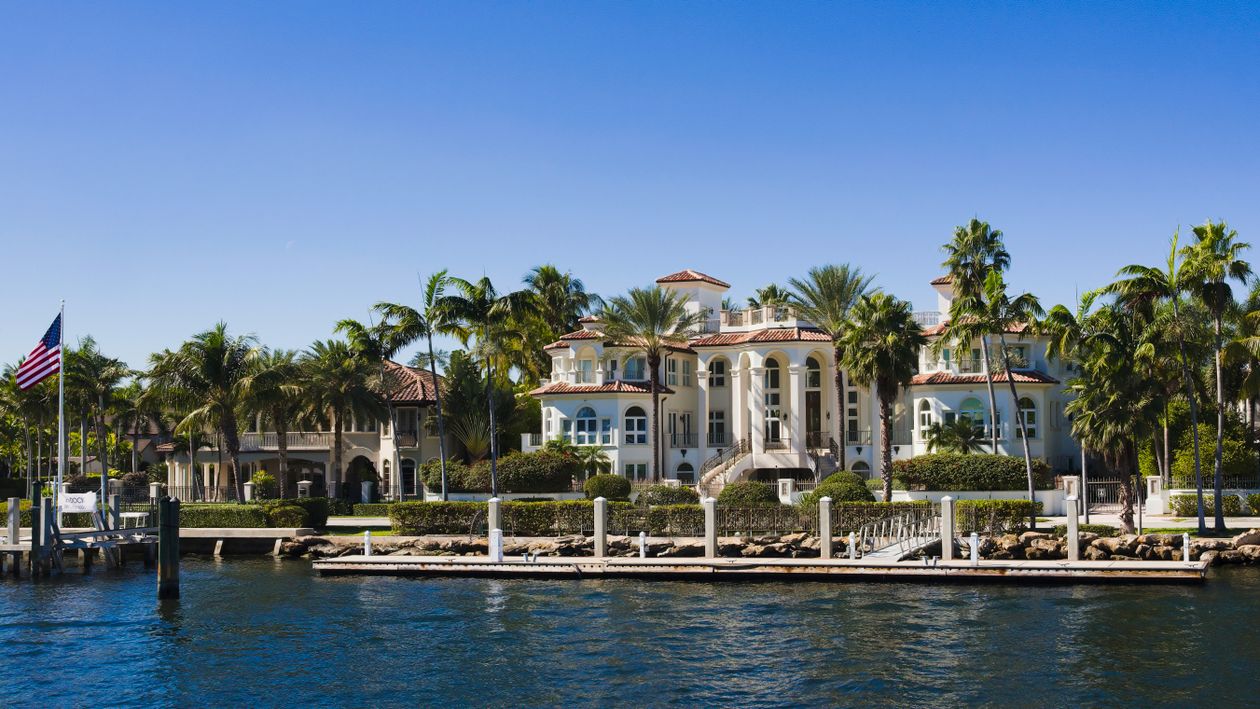
Nine contracts is a quiet week by Miami-Dade standards. The week before it, buyers signed 12 contracts asking $123.9 million, so dollar volume fell roughly 36 percent in seven days. That kind of swing is normal in July, when the $4 million-plus market thins out and a single trophy listing can move the whole number. The more useful signal sits underneath the total.
Six single-family homes went under contract at $59.9 million in combined asking price. Three condos went under contract at $19.9 million. Houses were a third of the deal count and three quarters of the dollars. That gap has been widening quietly all year, and it changes how I price a condo listing and how I advise a buyer who is choosing between the two.
The Fisher Island contract that anchored the week
The top contract was a planned mansion at 1011 Links Drive on Fisher Island, asking $32 million for 14,800 square feet, which works out to roughly $2,160 per square foot. Five bedrooms, four bathrooms, with the pool still under construction. That single contract was 40 percent of the week's entire asking volume on its own.
The second-ranked contract was a 5,450-square-foot townhouse at 300 South Pointe Drive in Miami Beach, asking $9.5 million. Notice the shape of that list: an island estate and a South Pointe townhouse, both low-density, both land-anchored, neither one a tower unit. My advice to buyers reading a week like this is to ignore the trophy number at the top and read positions two through nine, because that is where the actual market is trading.
Days on market is the number that actually matters
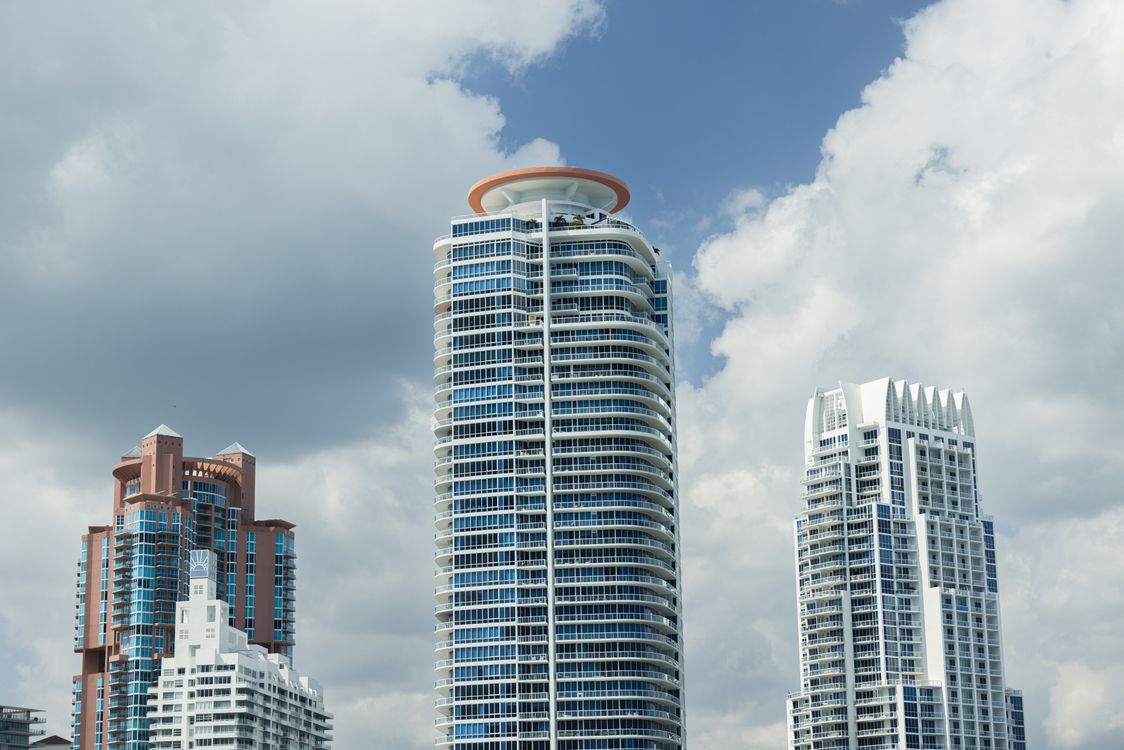
Both sides of this market are slow right now, and they are slow in almost exactly the same way. Single-family homes that went under contract averaged 177 days on market. Condos averaged 172 days. Those are nearly identical, and both are far from the 60 to 90 day cycles Miami saw in 2021 and 2022.
Here is the part buyers miss. Similar days on market does not mean similar negotiating position, because the two product types got to that number differently. Land-anchored houses in supply-constrained pockets like Fisher Island, the Venetian Islands, and South Pointe sit because there are few qualified buyers at that price, not because there is competing inventory. Condos above $5 million sit because there is a great deal of competing inventory, including brand-new towers still selling their own unsold units.
- Single-family, 6 contracts: $59.9M asking volume, $10M average, about $1,360 per square foot, 177 average days on market
- Condo, 3 contracts: $19.9M asking volume, $6.6M average, about $1,640 per square foot, 172 average days on market
- Week-over-week: 9 contracts and $79.8M, down from 12 contracts and $123.9M
- Top contract: 1011 Links Drive, Fisher Island, $32M asking, 14,800 square feet
Look at the per-square-foot line. Condos contracted at a higher price per square foot ($1,640) than houses ($1,360), while houses commanded a far higher total price. You are paying more per foot for the tower unit and less per foot for the land. That is the trade the Miami luxury buyer is actually making in 2026.
What I tell buyers on each side of the split
When a client asks me whether to chase a house or a condo in this market, I start with carrying costs, not purchase price. A $10 million single-family home and a $6.6 million condo do not carry the same way. The condo brings monthly maintenance, reserve contributions that Florida law now requires be fully funded, and exposure to a special assessment if the building's structural reserve study comes back short. The house brings insurance that has moved sharply on the water and a roof you own outright.
That is why I push condo buyers to read the reserve study and the last two years of board minutes before they talk about price. If you want the full framework I use for that, see how to evaluate a Miami condo building's financial health and the breakdown of SB 4-D special assessments. A building with an underfunded reserve is not a discount, it is a deferred bill.
On the house side, my advice is different. With 177 average days on market, sellers in this tier have had time to adjust their expectations, and the ones who have not adjusted are the ones still sitting. I would rather write on a listing that has been available 200 days than compete on one that came out last week, because the seller who has lived with the market for six months negotiates like someone who understands it.
"A slow week in contract count is not a weak market. Nine contracts at $79.8 million with houses taking three quarters of the dollars tells me capital is still here, it has just moved toward land and away from stacked inventory."
Gerardo Gonzalez, Licensed Agent at Compass
How to read weekly contract data without overreacting
Weekly luxury contract reports are useful and easy to misuse. Nine contracts is a small sample, and one $32 million estate distorts the average badly. What I do is watch three things across several weeks rather than reacting to any single one.
First, the ratio of house dollars to condo dollars, which has favored houses consistently this year. Second, average days on market by product type, which tells you who has leverage. Third, whether the top contract is an outlier or whether positions two and three are also strong, because a week carried entirely by one trophy sale is a thinner week than the headline suggests. For the wider context on where inventory sits, see the fifth straight monthly decline in Miami condo inventory.
According to the Miami Association of Realtors, Miami-Dade continues to post year-over-year gains in the luxury tier even as total transaction counts stay soft. Both things are true at once. Fewer deals, still-strong pricing at the top, and a widening gap between what land trades for and what stacked inventory trades for.
Frequently asked questions
How many luxury contracts were signed in Miami-Dade in mid-July 2026?
Buyers signed nine contracts asking $79.8 million total between July 13 and July 19, 2026, covering Miami-Dade listings priced at $4 million and above. That was down from 12 contracts asking $123.9 million the prior week, a decline of about 36 percent in asking dollar volume across a single week.
What was the most expensive Miami-Dade contract that week?
A planned mansion at 1011 Links Drive on Fisher Island, asking $32 million for 14,800 square feet, roughly $2,160 per square foot. It has five bedrooms and four bathrooms, with the pool still under construction. That one contract represented about 40 percent of the week's total asking dollar volume by itself.
Are Miami luxury houses selling faster than luxury condos?
Not faster, but bigger. Single-family homes averaged 177 days on market versus 172 days for condos, essentially the same pace. The difference is dollar concentration: six houses accounted for $59.9 million while three condos accounted for $19.9 million, so houses captured 75 percent of the volume from 67 percent of the contracts.
Why do Miami luxury condos cost more per square foot than houses?
Condos contracted at roughly $1,640 per square foot versus about $1,360 for houses that week. Tower units bundle amenities, services, and views into a smaller footprint, so the per-foot number runs higher. Houses carry more land and square footage, which lifts total price while diluting the per-foot figure.
Is a slow contract week a sign the Miami luxury market is weakening?
Not on its own. Nine contracts is a small sample and July is seasonally thin in the $4 million-plus tier. A single trophy listing can swing the total by tens of millions. Watch the house-to-condo dollar ratio and days on market across several weeks instead of reacting to any one week's headline number.
Where this leaves you
If you are buying a Miami-Dade house above $5 million, you have time and you have leverage on listings that have been sitting. Use both. If you are buying a condo in that tier, the reserve study matters more than the finishes, and the 172-day average tells you the seller is not holding a strong hand either. If you are selling a luxury condo right now, you are competing with inventory in a way house sellers are not, and pricing to last week's comparable sale is how listings end up at 200 days.
For a fuller picture of how the two sides of this market have diverged, see my Miami pre-construction buyer guide and the true cost of owning a Miami luxury condo. If you want me to run the numbers on a specific building or a specific island listing, call me directly at (305) 964-8614.