Miami-Dade home sales priced at $1 million and above rose 29.1% year over year in June 2026, from 374 to 483 transactions, according to MIAMI REALTORS. What I am watching is the split underneath that number: houses are tight at 4.9 months of supply while condos sit at 12.3. Pick your side of the market before you negotiate, because the leverage is opposite.

June is supposed to be the quiet month. Seasonal buyers have gone home, the humidity arrives, and South Florida traditionally coasts until October. That is not what happened in 2026. Miami-Dade closed 2,107 existing-home sales in June, up 14.3% year over year and the county's best June since 2023, per MIAMI REALTORS. The luxury tier ran roughly twice as hot as the market overall, with $1 million-plus sales up 29.1%.
A headline number like that invites a lazy conclusion, that Miami is simply booming again. The data underneath says something more useful and more specific. Two property types are moving in opposite directions at the same time, and which one you are shopping determines whether you have leverage or the seller does. That is the part worth your attention, and it is where most of the coverage stops short.
The June numbers, in plain terms
Here is what the county actually recorded in June 2026, per MIAMI REALTORS. Total sales hit 2,107, a 14.3% year-over-year gain. Single-family transactions rose 16.8%, from 898 to 1,049. Condo transactions rose 11.9%, from 945 to 1,058. Both property types sold more units than a year ago, which is why the headline reads as a clean recovery.
| Metric, June 2026 | Single-family | Condo |
|---|---|---|
| Sales, year over year | 1,049, up 16.8% | 1,058, up 11.9% |
| Median price | $695,000, up 3.73% | $431,000, down 3.15% |
| Months of supply | 4.9, seller's market | 12.3, buyer's market |
Now read the second and third rows. Single-family median price rose to $695,000 while the condo median fell to $431,000. Single-family supply sits at 4.9 months, condos at 12.3. Those are not two speeds of the same market, they are two different markets that happen to share a county line. Total active listings across both fell 14.9% year over year, which makes the condo overhang more striking, not less.
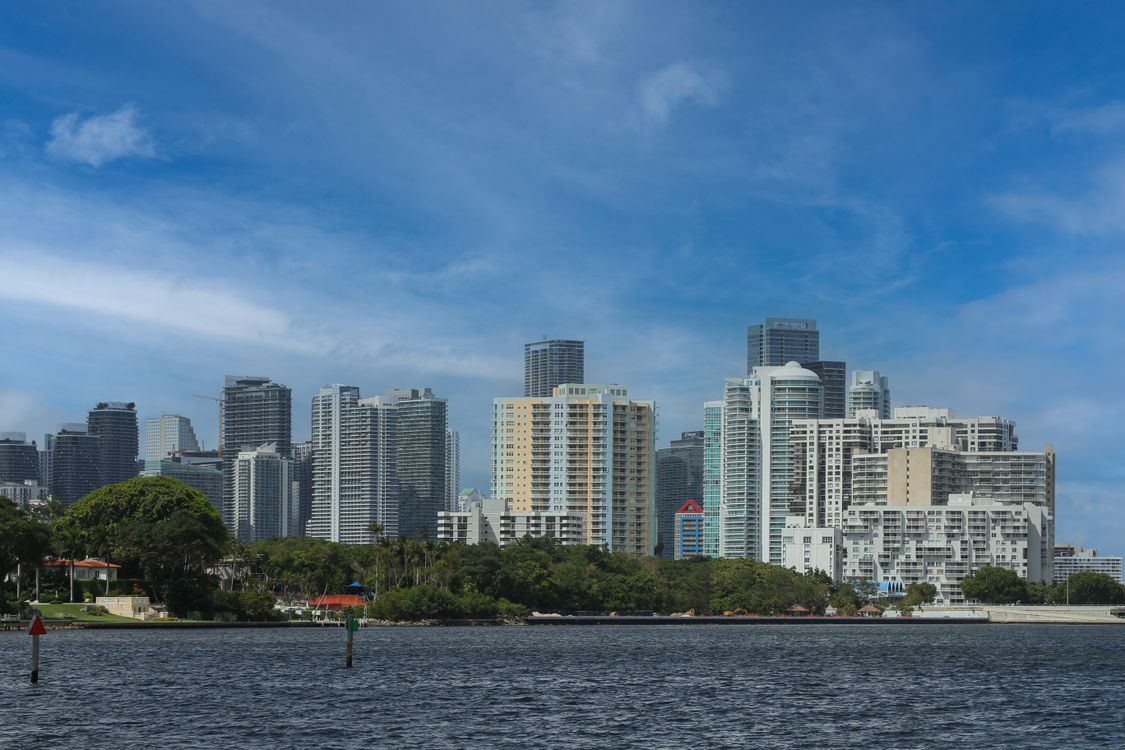
Why the top of the market ignored the off-season
Seasonality in South Florida has always tracked one thing: when people are physically here. Snowbirds tour in January, write offers in February, close in spring. That rhythm assumes the buyer is a visitor deciding where to spend winters. The $1 million-plus buyer in 2026 frequently is not a visitor at all, which is why the calendar stopped governing the top tier.
When someone relocates a household, a company, or a tax domicile, the purchase gets timed around a school year or a residency clock, not the weather. Summer is a rational time to close if the family moves in August. Buyers at this level are also far less rate-sensitive, so the usual reason to sit out a slow season disappears.
- Luxury tier growth: $1M+ sales up 29.1% year over year, 374 to 483 transactions, per MIAMI REALTORS
- Overall market: 2,107 total sales, up 14.3%, the best June since 2023
- Where the tightness is: single-family at 4.9 months of supply, median $695,000 and rising
- Where the leverage is: condos at 12.3 months of supply, median $431,000 and softening
The advice I keep repeating to buyers right now is to stop treating "the Miami market" as one thing when you set expectations. I have clients convinced they are walking into a buyer's market who are shopping single-family under 5 months of supply, and clients bracing for a bidding war who are shopping condos with a year of inventory sitting in front of them. Getting that backwards costs real money, in both directions.
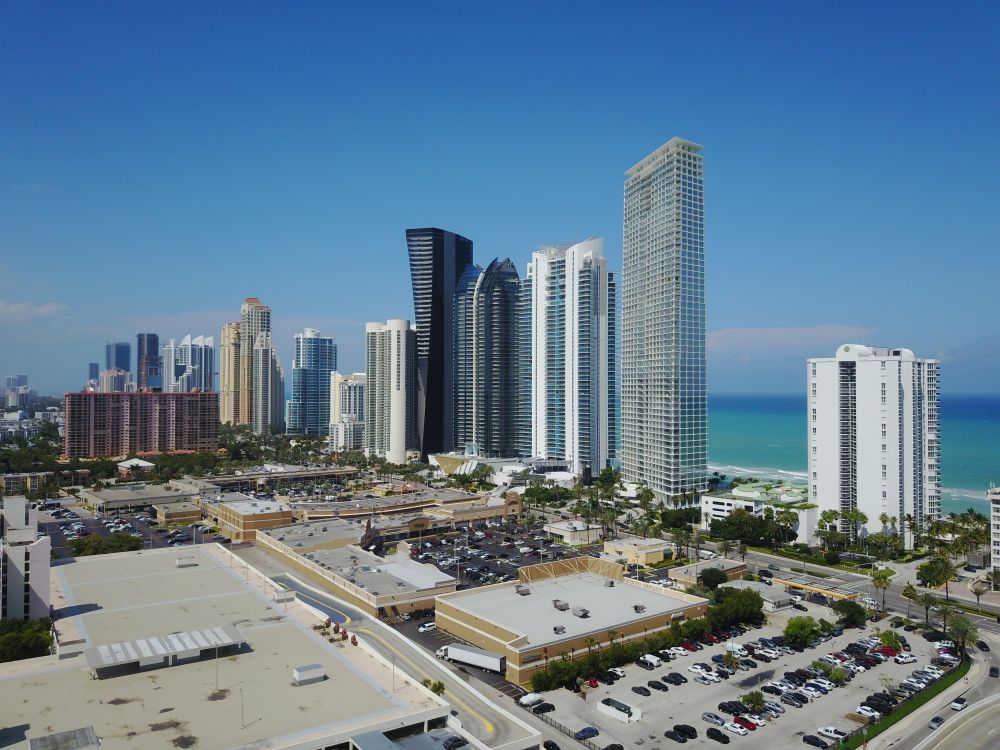
What I tell buyers on each side of the split
If you are shopping single-family at 4.9 months of supply, per MIAMI REALTORS, treat it as a competitive market and prepare accordingly. Have financing fully underwritten before you tour, not pre-qualified. Know your ceiling before you see a house you love, because the emotional decision happens in the driveway and the disciplined one has to happen before it. Rising median prices with falling inventory means the good listings are not sitting.
If you are shopping condos at 12.3 months, you have time, and time is leverage. Use it on diligence rather than on hesitation. My advice on condos has not changed all year: the price you negotiate matters less than the building you pick. Pull the reserve study, the milestone-inspection status, and any pending special assessment before you talk numbers. A softer median price means very little if you inherit a six-figure assessment eighteen months in.
That is where the carrying-cost question decides most purchases at this level. A condo that looks like a discount on price per foot can carry higher monthly costs than a house once HOA, insurance, and assessments are stacked up. Run the real numbers with the true cost of owning a Miami luxury condo, and if the building is older, read the SB 4-D special assessments guide before you write an offer. The buildings with the softest pricing are frequently the ones with the largest deferred bills attached.
"One county, two markets. Houses are tight and priced like it, condos are long on supply and negotiable. The mistake I see is buyers bringing house-market urgency to a condo search, or condo-market patience to a house search."
Gerardo Gonzalez, Licensed Agent at Compass
What one month does and does not prove
A single strong June is a data point, not a trend, and I would rather set expectations honestly than oversell it. The luxury tier posted gains in a season that historically gives them back, which is meaningful, but 483 transactions is a small enough base that one soft quarter would change the picture. Treat it as evidence that top-tier demand is structural, not as a forecast.
The condo side deserves the same restraint. Volume grew 11.9% even with 12.3 months of supply, which tells you buyers are transacting, not that the overhang has cleared. Supply that size takes quarters to absorb and is concentrated in older buildings facing inspection and reserve requirements. That is why building selection is doing more work than timing, and why the recent decline in Miami condo inventory matters more in some buildings than others.
The wider context is wealth migration rather than a speculative cycle. The Real Deal reported an unusually busy summer at the top of the South Florida market, including record-setting neighborhood sales closing in July. Buyers who relocate for tax and lifestyle reasons do not behave like buyers chasing appreciation, which is the main reason this demand has held up through a season that normally thins it out.
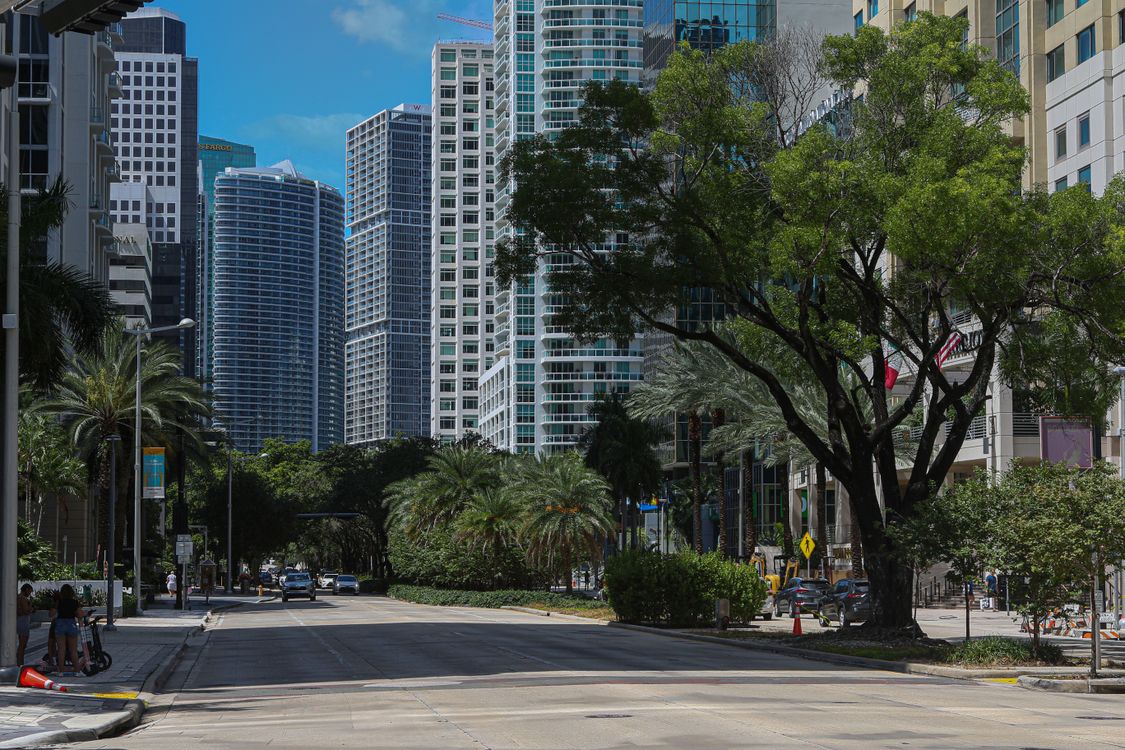
Broward in June 2026: $1 Million Sales and Condo Supply
Broward County closed 328 homes at $1 million and above in June 2026, up 35 percent from 243 a year earlier, according to MIAMI REALTORS. What I watch is supply: Broward condos sit at 10.1 months against 12.3 in Miami-Dade, so the overhang is clearing faster north of the county line. If you are shopping condos, price the two counties as separate markets.
Frequently asked questions
How much did Miami-Dade $1 million and up home sales rise in June 2026?
Sales at $1 million and above rose 29.1% year over year in June 2026, climbing from 374 to 483 transactions, according to MIAMI REALTORS. Total Miami-Dade existing-home sales reached 2,107, up 14.3% and the county's best June since 2023. The luxury tier grew roughly twice as fast as the overall market.
Why are Miami luxury sales strong during the slow summer season?
Summer is normally South Florida's quietest stretch because seasonal buyers leave. In 2026 the buyer pool at the top is driven by wealth migration rather than winter visits, so purchases are timed around relocation and tax planning, not weather. Cash-heavy buyers at this level do not need to wait for peak season inventory.
What is the difference between Miami single-family and condo supply right now?
Miami-Dade single-family homes sat at 4.9 months of supply in June 2026, which is seller's-market territory, while condos sat at 12.3 months, firmly a buyer's market, per MIAMI REALTORS. Total active listings fell 14.9% year over year. The two property types are moving in genuinely opposite directions.
Did Miami condo prices fall in June 2026?
The Miami-Dade condo median price was $431,000 in June 2026, down 3.15% from $445,000 a year earlier, while the single-family median rose 3.73% to $695,000, according to MIAMI REALTORS. Condo sales volume still grew 11.9%, so units are moving, just at softer pricing as supply stays elevated.
Should I buy a Miami condo now or wait for prices to drop further?
With 12.3 months of condo supply, buyers have real negotiating room, so waiting costs less than it does in a tight market. The bigger risk is the building, not the timing: verify reserves, milestone-inspection status, and pending special assessments before you negotiate price, because a cheap unit in an underfunded building is not a discount.
Where this leaves you
June 2026 was the best June Miami-Dade has had since 2023, and the $1 million-plus tier carried it with a 29.1% gain. The useful takeaway is not that the market is up, it is that the market is split. Houses are tight, priced accordingly, and reward buyers who arrive prepared. Condos are long on supply and reward buyers who arrive patient and do the building diligence.
Decide which of those two markets you are actually in before you set a strategy, then price and negotiate for that one. For the broader framework, see my Miami pre-construction buyer guide and the pillar on evaluating a Miami condo building's financial health. If you want me to run the numbers on a specific building or neighborhood before you commit, call me directly at (305) 964-8614.