LuxuryDade tracks 53 Miami-Dade condo and mixed-use projects with a dated published source, carrying 16,162 published units, and only 22 of them had cleared permitting as of September 5, 2026. The demand is global: buyers from abroad took 52 percent of new South Florida construction sales over 22 months, per MIAMI REALTORS. The thing I tell buyers is to confirm permit status, developer track record, deposit terms and carrying costs before falling for the rendering.

Miami-Dade New Construction Pipeline at a Glance (2026)
- Tracked pipeline: 53 Miami-Dade projects with a dated source, 16,162 units across the 40 that publish a count, 22 past permitting (LuxuryDade stage report, September 5, 2026)
- Where I see the most activity: Brickell, Edgewater, Downtown, Sunny Isles Beach
- Existing condo market: 12 months of supply and 11,324 active listings in July 2026, down 11.79% year over year (MIAMI REALTORS July 2026 statistics)
- Deposit schedule: the contracts I review usually stage 30-50% before closing; Florida law requires escrow for the first 10% (Section 718.202, Florida Statutes)
- Foreign-buyer share: global buyers purchased 52% of new South Florida construction over 22 months, from 73 countries (MIAMI REALTORS, November 2025)
Miami-Dade carries most of South Florida's condo pipeline. Of the 76 projects LuxuryDade tracks across Miami-Dade, Broward and Palm Beach, 53 sit in Miami-Dade, carrying 16,162 published units, and 22 of those have cleared permitting as of September 5, 2026, per our pipeline stage report. The activity concentrates in Brickell, Edgewater, Downtown, Sunny Isles Beach, and emerging corridors like North Bay Village and the Miami River. The demand under it is global: the MIAMI REALTORS November 2025 New Construction Global Sales Report found that global buyers purchased 52 percent of new South Florida construction, pre-construction, and condo conversion sales over the last 22 months, with buyers from 73 countries.
This is also the part of the market where the gap between a great buy and a costly mistake is widest. Not every announced project breaks ground, and the rendering on the sales-center wall tells you nothing about the developer's completion record, the deposit schedule, or what the carrying costs will be when the building delivers in 2028 or 2029. Branding adds its own question: Knight Frank wrote in September 2025 that branded residences have become almost ubiquitous in Miami, diluting the premium that once came easily with a household name. Paying for a brand has to be a deliberate decision. This guide walks the full pipeline the way I walk it with my own clients before they put a deposit into escrow.
- The Miami-Dade New Construction Pipeline in 2026
- New Construction by Neighborhood
- Pre-Construction Pricing Per Square Foot
- How the Deposit Schedule Works
- Who Is Buying Miami New Construction
- Developer Risk and What Can Go Wrong
- How to Buy Pre-Construction Step by Step
- Outlook: Where the Pipeline Goes Next
- Gerardo's Recommendations by Buyer Profile
- Frequently Asked Questions
The Miami-Dade New Construction Pipeline in 2026
The headline size of the Miami-Dade pipeline depends on who is counting and what they include. LuxuryDade tracks 53 Miami-Dade condo and mixed-use projects that carry at least one dated published source. Forty of them publish a unit count, and those 40 total 16,162 units. Twenty-two of the 53 have cleared permitting, which leaves 31 still on paper as of September 5, 2026. None of these units show up in the monthly resale statistics: Miami-Dade existing condos sat at 12 months of supply across 11,324 active listings in July 2026, down 11.79 percent year over year, per the MIAMI REALTORS July 2026 statistics.
The most important thing to understand about a pipeline this large is that it is not all real. A development can be announced, rendered, and even named years before a single deposit goes into escrow or a permit is pulled. The honest split I use with buyers is three buckets: delivered or topped-off buildings you can walk today, under-construction towers with a verifiable groundbreaking and a sales contract behind them, and announced or early-stage projects that may still be one financing problem away from never being built. Any headline count mixes all three, so it overstates what you can actually buy and close on this year. Our county-wide new construction guide tracks which projects sit in which bucket.
What makes this wave different from the 2005-2008 boom is the deposit structure and the buyer base. The pre-construction contracts I review usually ask for staged deposits of 30 to 50 percent before closing, which screens out thin speculators, and the demand under the pipeline is global rather than leveraged-domestic. The MIAMI REALTORS November 2025 New Construction Global Sales Report found that global buyers purchased 52 percent of new South Florida construction over the last 22 months, from 73 countries. That is a healthier foundation than the last cycle had.
My advice on the pipeline is simple: the rendering is marketing, the groundbreaking is reality. Before I let a buyer get attached to a unit, I confirm the project has pulled permits, broken ground, and put deposits in a Florida escrow account. In our own tracked set, 31 of the 53 Miami-Dade projects had not reached permitting as of September 5, 2026.
Gerardo Gonzalez, Licensed Real Estate Agent at Compass
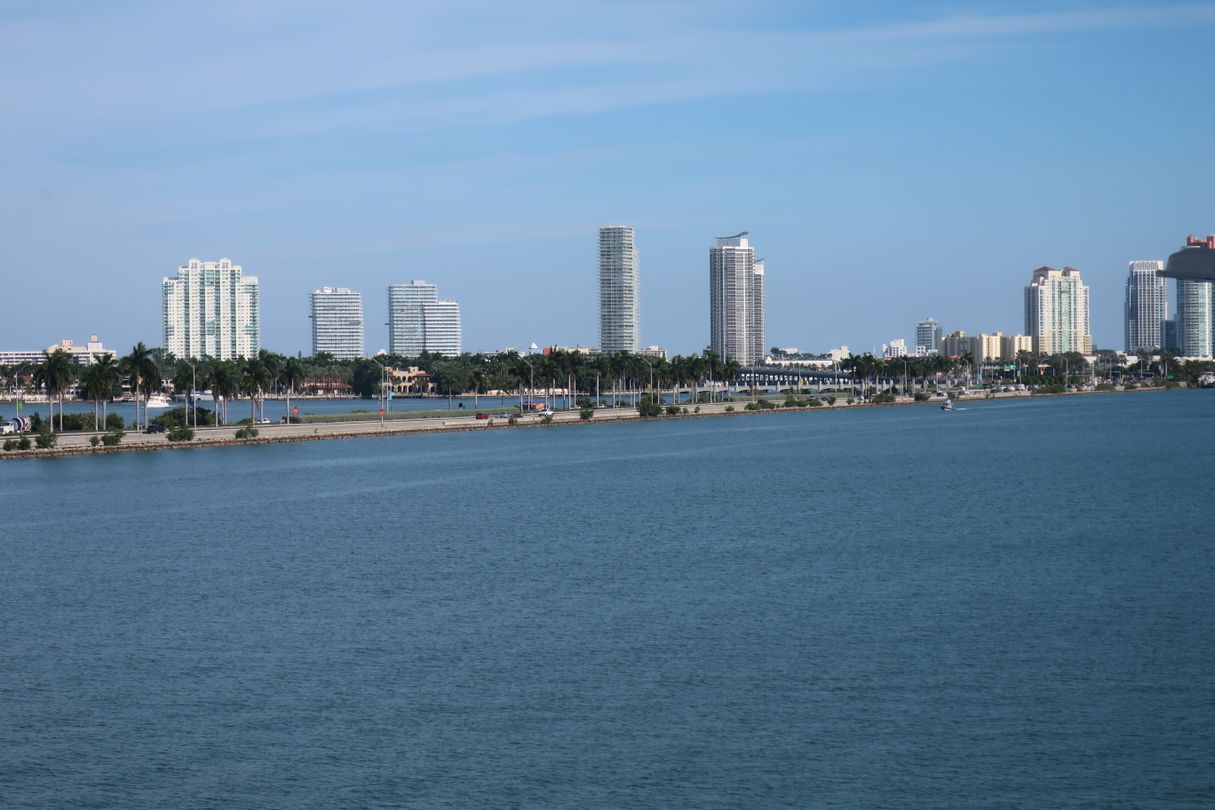
New Construction by Neighborhood: Where the Towers Are Rising
The Miami-Dade pipeline is not spread evenly. It clusters in a handful of neighborhoods, and each one carries a different price band, delivery timeline, and buyer profile. Knowing which corridor a project sits in tells you more about it than almost any other single fact, because it sets the comparable set you should be measuring it against.
Brickell is where I see the most branded activity on the mainland. Towers rising along and around Brickell Avenue include branded product like Cipriani Residences, which topped out in July 2026, and St. Regis Residences, plus a wave of mixed-use and residential high-rises along the Miami River edge. In my experience Brickell also carries the highest pre-construction pricing on the mainland. Edgewater and Downtown follow, offering bayfront and waterfront mid-to-high-rise product at lower entry points than Brickell, which is why investors who want new construction at a friendlier entry price look here first.
Sunny Isles Beach continues to deliver oceanfront branded residences, the segment where I see the highest asking prices in the county. North Bay Village and the broader Miami River corridor are the emerging pockets I watch most closely, where land that was overlooked five years ago is now carrying announced and early-stage towers. If you want to be first into a neighborhood before pricing fully re-rates, the emerging corridors are where I send buyers with a longer hold horizon and a higher tolerance for completion risk.
- Brickell: most branded towers on the mainland and, in my experience, the highest mainland pricing
- Edgewater & Downtown: bayfront and waterfront product, lower entry prices than Brickell
- Sunny Isles Beach: oceanfront branded residences, the highest asking prices I see in the county
- North Bay Village & Miami River: emerging corridors, higher completion risk
- Always compare: a project against others in its own neighborhood, not a county average
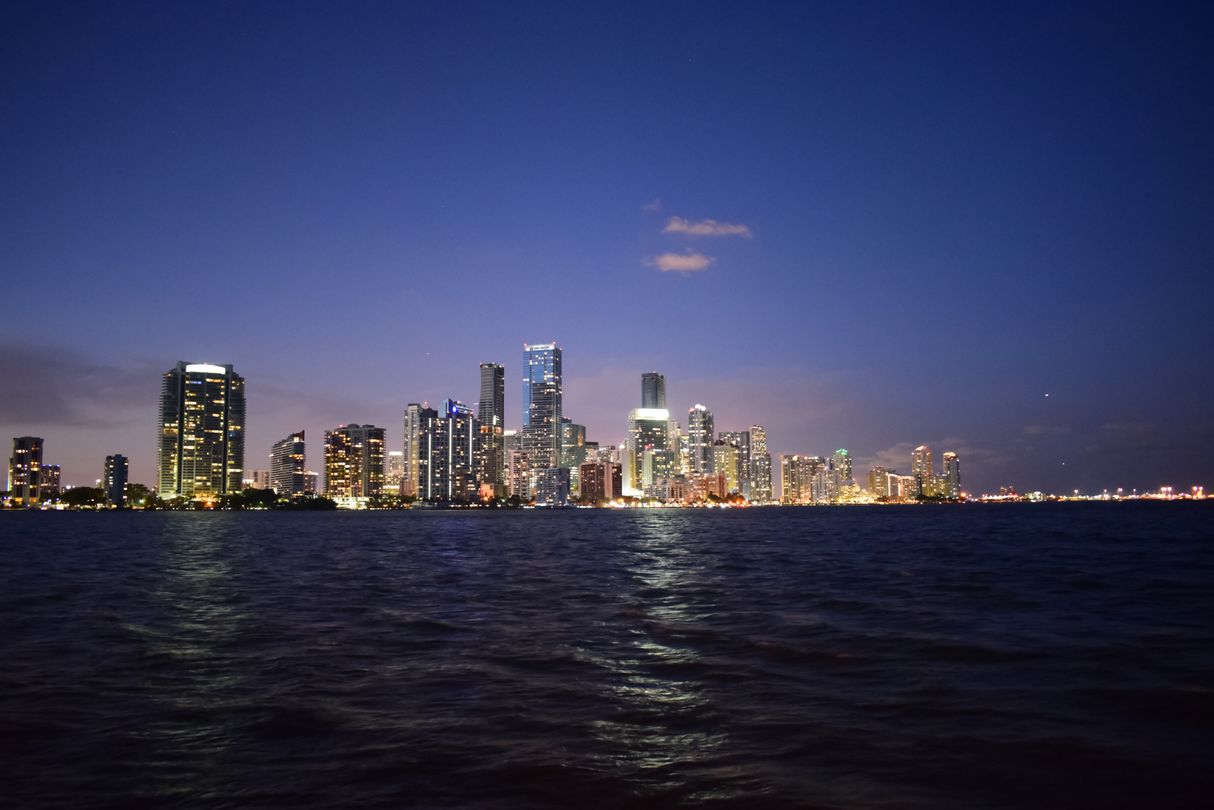
Pre-Construction Pricing Per Square Foot by Neighborhood
Pre-construction pricing in Miami-Dade spans a wide band in 2026, and the single biggest driver of where a project lands is neighborhood, followed by whether it carries a brand. The table below is my own relative ranking by corridor, not a price list: no public data source publishes pre-construction price per square foot by neighborhood, because these sales are largely not reported in the MLS. Always compare a specific unit against others on the same floor band and exposure, and ask the sales center for its current price sheet.
| Neighborhood | Product Type | Relative Price Position (my ranking) | Activity (my read) |
|---|---|---|---|
| Sunny Isles Beach | Oceanfront branded | Top of county | High |
| Brickell | Urban-core branded & high-rise | Top of mainland | Highest |
| Brickell Key / Bayfront | Trophy waterfront | Trophy tier | Moderate |
| Edgewater | Bayfront mid-to-high-rise | Mid | High |
| Downtown Miami | Urban high-rise | Mid | High |
| North Bay Village | Emerging waterfront | Lower entry | Emerging |
| Miami River corridor | Emerging mixed-use | Lowest entry | Emerging |
The brand is the other variable that matters. Knight Frank wrote in September 2025 that in cities such as Miami branded residences have become almost ubiquitous, diluting the premium that once came easily with a household name, and that more than 80 percent of branded projects globally are delivered by luxury hotel brands. Paying for a brand can be worth it for the service, the rental program, and the resale liquidity, but it should be a decision you make on purpose. The mistake I see most often is a buyer comparing a branded tower's price to an unbranded one a block away and concluding the branded one is "overpriced" when it is simply a different product.
How the Deposit Schedule Works on Miami Pre-Construction
The deposit schedule is the single most important mechanical difference between buying new construction and buying resale, and it is where a lot of first-time pre-construction buyers misjudge their cash flow. In the Miami pre-construction contracts I review in 2026, the staged deposit structure usually totals 30 to 50 percent of the purchase price before closing. The typical shape is 10 percent at reservation or contract signing, another 10 percent at groundbreaking, a further 10 to 20 percent at one or more construction milestones, and the balance due at closing when the building delivers.
Florida law protects part of that money, not all of it. Under Section 718.202, Florida Statutes, the developer must hold deposits up to 10 percent of the price in escrow, and if the contract allows it, money above 10 percent can be withdrawn for actual construction costs once construction has begun. Read exactly what the contract says about which portions are refundable and under what conditions. The upside of the staged structure is that it lets you spread a large purchase across a two-to-four-year build rather than financing the full price up front, and it lets you lock today's price for a unit you will not take title to until 2028 or 2029.
The cash-flow planning that goes with this matters. A buyer who reserves a $1.5 million unit needs to budget roughly $150,000 at contract, similar at groundbreaking, and the milestone payments on the developer's timeline, all before the unit produces a dollar of rent or a key in hand. Foreign buyers wiring from abroad should also build in time for international transfers and, where relevant, the FIRPTA and entity-structuring decisions that need to be made at purchase. When a client of mine is choosing between two similar towers, the deposit schedule and the developer's track record on hitting milestones often decide it more than the finishes do.
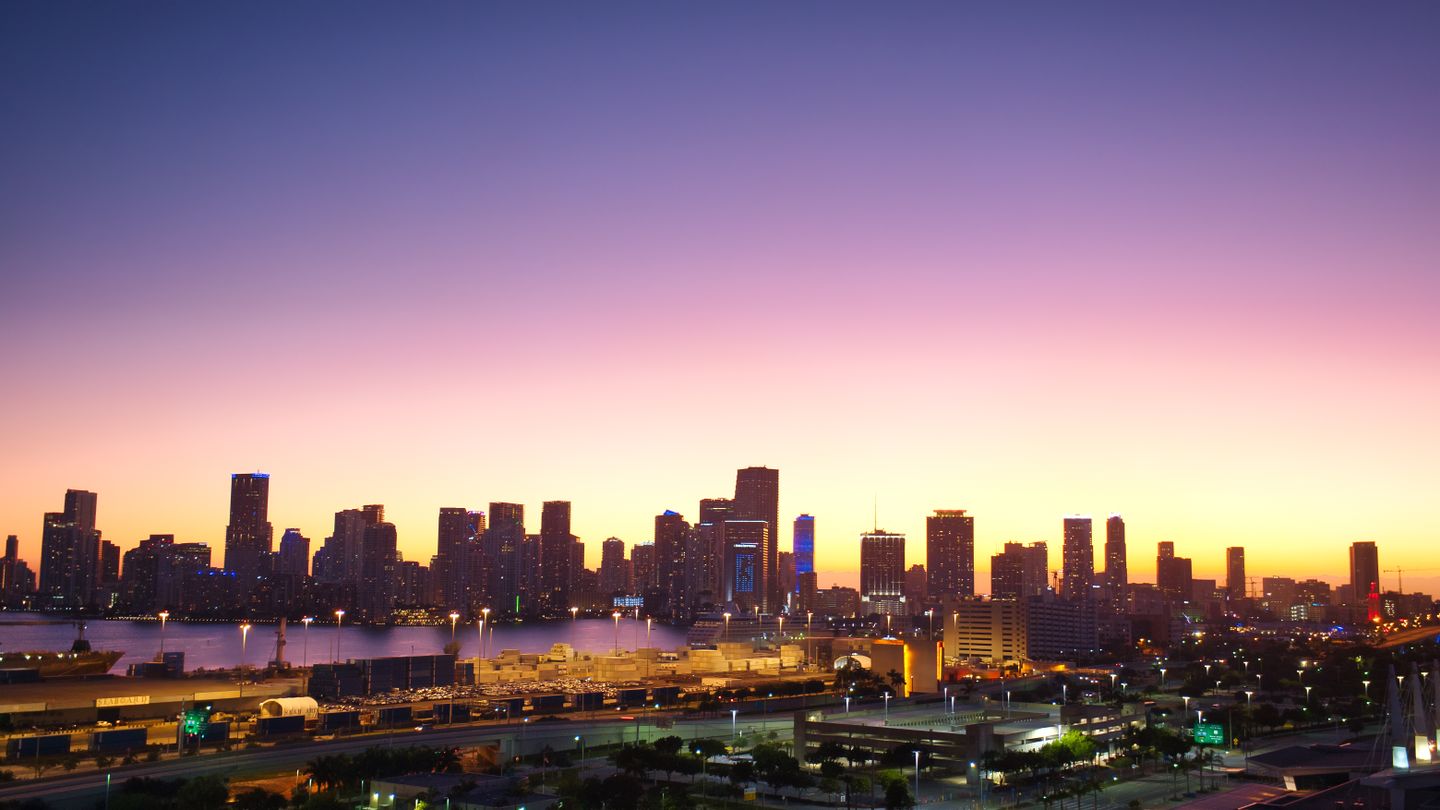
Who Is Buying Miami New Construction in 2026
The demand under the new construction pipeline is heavily international, and that shapes everything from how units are laid out to how deposits are structured. The MIAMI REALTORS November 2025 New Construction Global Sales Report, aggregated from new construction condominium projects in the Miami market area, found that global buyers purchased 52 percent of new South Florida construction, pre-construction, and condo conversion sales over the last 22 months, with buyers from 73 countries. That was up from a 49 percent share in the first edition, released in July 2025.
Latin America leads. In that report, about 86 percent of global new construction sales went to Latin Americans, and the top buyer countries were Colombia at 23 percent, Mexico at 20 percent, Argentina at 11 percent and Brazil at 9 percent. Turkey, Peru and Spain followed at 4 percent each. Many of these buyers want a mix of lifestyle, currency diversification, and a US-dollar asset they can hold for years. The domestic side, a 48 percent share in the same report, is where I see relocating professionals who want brand-new product rather than competing for resale inventory.
What I tell international buyers specifically is that the foreign-buyer-heavy demand is a double-edged thing. It gives new construction deep, durable demand and a developer ecosystem built to serve buyers wiring from abroad, with multilingual sales teams and structures that anticipate FIRPTA and entity questions. But it also means that in a downturn the resale pool for these units leans on the same international demand that bought them new, so the developer's brand strength and the building's long-term desirability matter more for your exit than they would in a domestic-driven market.
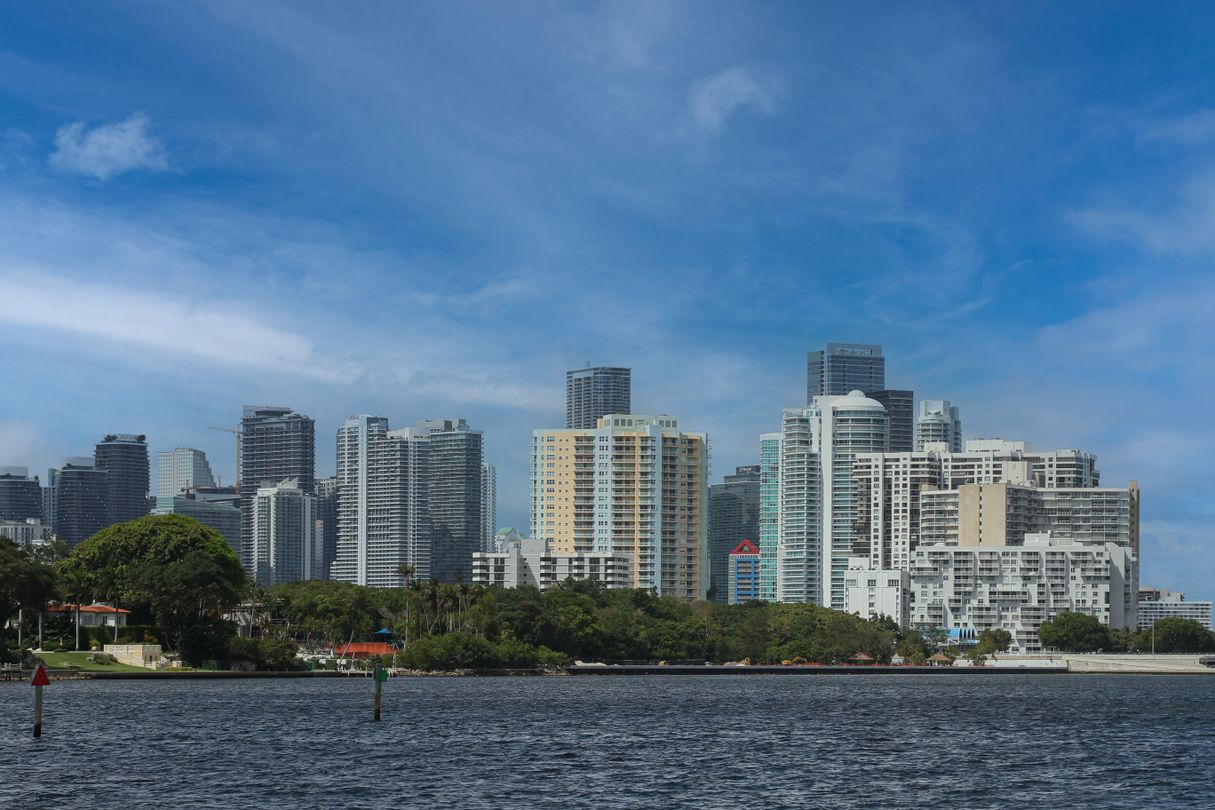
Developer Risk and What Can Go Wrong With Pre-Construction
Pre-construction is the part of the market where the upside and the risk both concentrate, and pretending otherwise does buyers a disservice. The core risk is completion: you are putting a large deposit toward a building that does not yet exist, on a timeline the developer estimates but cannot guarantee. The mitigant is the developer's track record. A sponsor who has delivered multiple Miami towers on or near schedule is a fundamentally different bet than a first-time developer with a beautiful rendering and a thin balance sheet, even at the same price.
The second risk is carrying-cost drift. By the time a 2026-contracted unit delivers in 2028 or 2029, the HOA budget, the Florida property-insurance line, and the reserve funding the association sets may all be higher than the pro-forma you were shown at the sales center. Florida kept tightening condominium rules in 2025 with HB 913, which revised milestone inspection requirements. New construction is generally far better positioned than aging inventory here, since brand-new buildings start with current code, but the estimate is still an estimate. I tell buyers to stress-test the carrying cost at 20 to 30 percent above the sales-center number before they decide they can afford the unit.
The third risk is market timing on your exit. New construction is bought today and delivered years later, so the resale market that greets you at delivery is unknowable. That is why developer brand strength and the building's long-term desirability matter so much: in a soft market, a sought-after branded tower in a prime corridor holds value far better than a generic tower in an emerging one. None of these risks is a reason to avoid pre-construction. They are the reasons to be selective about developer, deposit terms, and corridor rather than chasing the lowest headline price per square foot.
- Completion risk: verify groundbreaking, permits, and developer track record before any deposit
- Carrying-cost drift: stress-test HOA, insurance, and reserves 20 to 30 percent above pro-forma
- Exit risk: brand strength and corridor decide how the unit holds value at delivery
- Deposit protection: confirm escrow terms and which portions are refundable, in writing
- Outside delivery date: the contract should give you deposit-return rights if the developer misses it
How to Buy Miami Pre-Construction Step by Step
The mechanics of a pre-construction purchase are different enough from a resale that walking the sequence once saves a lot of confusion. The starting point is a non-binding reservation, where you put down a refundable deposit to hold a specific line and floor while your attorney reviews the developer's purchase agreement and condominium documents. This is the moment to read the deposit schedule, the estimated delivery window, the outside delivery date, and the assignment rights, before anything becomes binding.
From there you sign the binding purchase contract and fund the first hard deposit, typically 10 percent, into Florida escrow. Groundbreaking and the milestone deposits follow on the developer's schedule, and during construction you can usually monitor progress but cannot change the unit beyond any offered finish selections. At delivery you complete a walkthrough, the developer obtains the certificate of occupancy, and you close, fund the balance, and take title. For foreign buyers, the FIRPTA and entity-structuring decisions should be made at the contract stage, not at closing, because the structure you choose affects financing and the eventual resale tax mechanics. My standing advice is to have a Florida real estate attorney review the contract before the reservation converts to binding, every time.
- Reservation: refundable deposit holds your line and floor while documents are reviewed
- Binding contract: sign, fund the first hard deposit (typically 10 percent) into Florida escrow
- Groundbreaking and milestones: staged deposits totaling 30 to 50 percent before closing
- Construction: monitor progress, complete any offered finish selections
- Delivery and closing: walkthrough, certificate of occupancy, fund the balance, take title
Outlook: Where the New Construction Pipeline Goes Next
The obvious question is whether this pipeline gets delivered into a softening market. The honest answer is that not all of it will get built: 31 of the 53 Miami-Dade projects we track had not cleared permitting as of September 5, 2026. The resale side is still adjusting. Miami-Dade existing condo sales rose 11.4 percent year over year in July 2026, from 921 to 1,026, while inventory fell 11.79 percent to 11,324 listings and supply held at 12 months, which MIAMI REALTORS calls a buyer's market, per its July 2026 statistics. Weaker projects in emerging corridors are the ones most likely to stall, get repriced, or never break ground.
Two things shape the rest of 2026 for new construction buyers. First, delivery dates on the towers I track are real now: Cipriani Residences topped out in July 2026 and targets Summer 2027 delivery, per PROFILEmiami, while Waldorf Astoria Residences targets Q2 2028. Second, Florida's 2025 condominium law changes in HB 913 revised milestone inspection rules for existing buildings, which keeps pressure on older resale condos more than on brand-new towers. My read is that branded product in Brickell and Sunny Isles holds best, Edgewater and Downtown stay competitive on price, and the emerging corridors are where the discounts and the completion risk both live.
- Brickell & Sunny Isles branded: deepest demand, most likely to deliver and hold value
- Edgewater & Downtown: competitive entry PSF keeps absorption steady
- Emerging corridors: best discounts but the highest stall-and-reprice risk
- Delivery calendar: Cipriani Residences targets Summer 2027, Waldorf Astoria Residences Q2 2028
- Self-correction: expect a meaningful share of announced projects to never break ground
Gerardo's Recommendations by Buyer Profile
New construction rewards matching the corridor and the developer to your actual goal. Below are the three buyer profiles I see most often in the pipeline, and how I steer each one. The named buildings below are the active branded towers I track most closely; I detail several in my St. Regis vs. Cipriani vs. Waldorf comparison.
The Relocating Primary-Residence Buyer (Brickell or Edgewater)
If you are moving to Miami full time and want walkable density with hospitality-grade service, Brickell new construction is the natural fit. I point this buyer toward branded towers like Cipriani Residences Brickell, St. Regis Residences Brickell, and Waldorf Astoria Residences, with Aventura and Edgewater as value alternatives. In my experience a brand only pays back if you will actually use the service, so buy it on purpose.
The International Investor (Sunny Isles or Edgewater)
For Latin American and European buyers purchasing a US-dollar asset and a second home, oceanfront branded product in Sunny Isles Beach is the structurally correct answer, with Edgewater bayfront as a lower-entry alternative. These projects combine ocean or bay exposure with the multilingual sales and structuring support that cross-border buyers need. Make the FIRPTA and entity decisions at contract, not at closing, see my foreign-national buyer guide for the framework and the pre-construction buyer's guide for the deposit mechanics.
The Value-First Buyer (Emerging Corridors)
If your priority is entry price and you can carry completion risk, the emerging corridors, North Bay Village, Downtown, and the Miami River edge, offer the lowest pre-construction PSF in the county. The trade is real: weaker projects here are the most likely to stall or reprice, so developer track record matters more here than anywhere. I run a parallel resale comp and a forward-looking carrying-cost screen before I let a value buyer commit, and I weight the developer's completion history heavily.
The worst new construction decision is falling for the rendering and ignoring the developer. A beautiful tower from a sponsor who cannot finish it is worth less than a plain tower that delivers on time. Track record, deposit terms, and corridor get me to yes or no faster than finishes ever will.
Gerardo Gonzalez, Licensed Real Estate Agent at Compass
Related Resources
- Census building permit data for Miami-Dade, Broward and Palm Beach
- how many of these projects have actually been permitted
- Buyer's Guide to Miami Pre-Construction 2026
- Q1 2026 Miami Pre-Construction Market Report
- Miami Pre-Construction Deposit Schedule 2026
- Miami Luxury Condo Market Mid-2026: Prices and Data
- South Florida Development Watch: What Is Being Built
- Brickell Luxury Condos: Neighborhood Guide
- Foreign National Buyer Guide: FIRPTA, LLC, DSCR
- True Cost of Owning a Miami Luxury Condo 2026
Frequently Asked Questions