LuxuryDade ranked all 34 Miami-Dade municipalities by their 2026 proposed total millage, and the spread runs from 15.5994 mills in Key Biscayne to 25.3991 in North Bay Village, per the Miami-Dade County Property Appraiser. What I tell buyers is that crossing one causeway can move the annual tax bill on a $2 million condo by about $19,600, and almost nobody prices that in before they make an offer. Check the municipality’s millage code first, not after the November bill arrives.
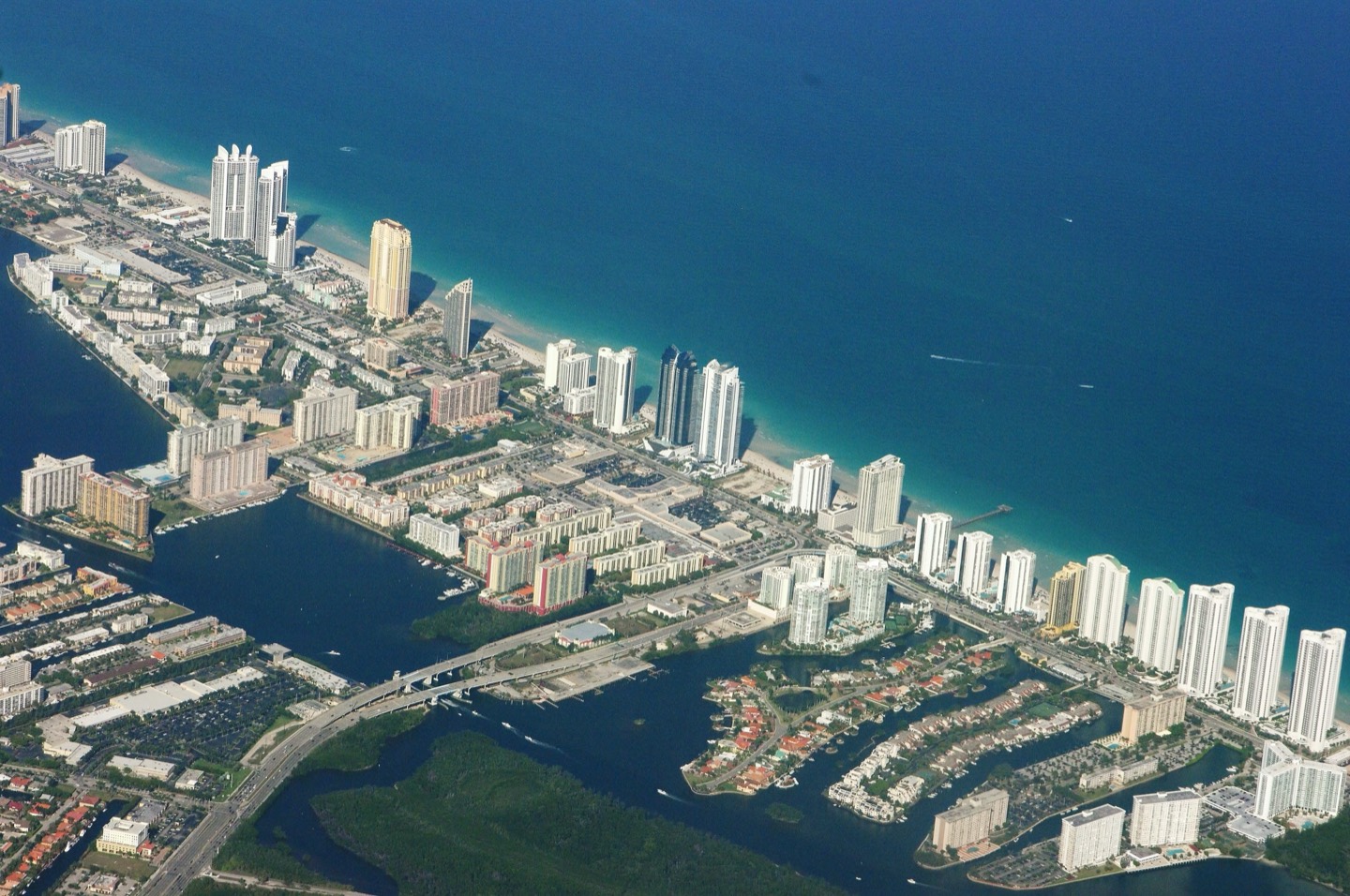
A millage rate is the only number on a Miami closing worksheet that is set by someone other than the buyer, the seller or the lender. One mill is one dollar of tax for every thousand dollars of taxable value. Miami-Dade publishes a separate total for every municipality plus the unincorporated area, and the county has 34 cities, villages and towns inside it, so the same oceanfront floor plan carries a materially different holding cost depending on which side of a city line it sits on.
This report takes the 2026 Proposed Millage Rate Table published by the Miami-Dade County Property Appraiser, ranks every millage code in the county from lowest to highest, computes the year-over-year change on the Appraiser’s own two published totals, and converts each rate into an annual dollar figure at three purchase prices. Nothing here is estimated. Every rate is the published figure, and every dollar amount is arithmetic on it.
- The Table: 2026 Proposed Millage, Every Miami-Dade Municipality
- What a 9.8-Mill Spread Costs on a Real Purchase Price
- North Bay Village: The Only Large Increase in the County
- Why the Luxury Corridor Sits at the Bottom of the Table
- The Ten Codes That Went Up, and by How Much
- Proposed Is a Ceiling, Not a Guess
- What Is Actually Inside a Miami-Dade Millage Rate
- Gerardo’s Read: Using a Millage Rate Before You Write an Offer
- Methodology and Sources
- Frequently Asked Questions
The Table: 2026 Proposed Millage, Every Miami-Dade Municipality
Thirty-eight millage codes cover the whole county: 34 municipalities, the unincorporated area, and three sub-codes for the Miami Downtown Development Authority district, the Miami Beach Normandy Shores district and the North Miami Beach area that pays no city operating levy. The table is sorted from the lowest 2026 total to the highest, and the last two columns show the change against the same authority’s 2025 total as the Property Appraiser prints it.
Read the change column before the rate column. Twenty-eight of the thirty-eight codes are proposing a lower total in 2026 than they levied in 2025, which is not a Miami-Dade decision at all: the county debt service levy fell from 0.4171 to 0.3937 and the school debt service levy from 0.1340 to 0.1240, and those two cuts flow into every code in the county.
| Municipality or area | Millage code | Total millage 2026 | Total millage 2025 | Change in mills | Change |
|---|---|---|---|---|---|
| North Miami Beach | 0701 | 14.9007 | 14.9415 | -0.0408 | -0.27% |
| Key Biscayne | 2400 | 15.5994 | 15.5108 | +0.0886 | +0.57% |
| Sunny Isles | 3100 | 16.6407 | 16.7227 | -0.0820 | -0.49% |
| Aventura | 2800 | 16.7154 | 16.7488 | -0.0334 | -0.20% |
| Uninc. County | 3000 | 16.8983 | 16.9317 | -0.0334 | -0.20% |
| Doral | 3500 | 16.9487 | 17.2203 | -0.2716 | -1.58% |
| Miami Lakes | 3200 | 17.1470 | 17.1804 | -0.0334 | -0.19% |
| Bal Harbour | 1200 | 17.2213 | 16.8854 | +0.3359 | +1.99% |
| Pinecrest | 2000 | 17.5934 | 17.5257 | +0.0677 | +0.39% |
| Palmetto Bay | 3300 | 17.6793 | 17.3245 | +0.3548 | +2.05% |
| Cutler Bay | 3600 | 17.9036 | 17.8559 | +0.0477 | +0.27% |
| Coral Gables | 0300 | 18.1518 | 18.1852 | -0.0334 | -0.18% |
| Sweetwater | 2500 | 18.5527 | 18.5861 | -0.0334 | -0.18% |
| Surfside | 1400 | 18.5824 | 18.6245 | -0.0421 | -0.23% |
| Hialeah | 0400 | 18.6134 | 18.6468 | -0.0334 | -0.18% |
| Miami Beach | 0200 | 18.6681 | 18.7601 | -0.0920 | -0.49% |
| Medley | 2200 | 18.8393 | 18.8727 | -0.0334 | -0.18% |
| Bay Harbor Island | 1300 | 18.8893 | 18.4810 | +0.4083 | +2.21% |
| South Miami | 0900 | 18.9393 | 18.9727 | -0.0334 | -0.18% |
| Miami Beach | 0201 | 19.4045 | 19.4906 | -0.0861 | -0.44% |
| Hialeah Gardens | 2700 | 19.6675 | 19.7009 | -0.0334 | -0.17% |
| Miami | 0100 | 19.9544 | 19.9878 | -0.0334 | -0.17% |
| Virginia Gardens | 2600 | 20.0893 | 19.8727 | +0.2166 | +1.09% |
| Miami (DDA) | 0101 | 20.3344 | 20.3778 | -0.0434 | -0.21% |
| Indian Creek | 2100 | 20.4893 | 20.5227 | -0.0334 | -0.16% |
| West Miami | 1500 | 20.7593 | 20.7927 | -0.0334 | -0.16% |
| North Miami Beach | 0700 | 21.0007 | 21.0415 | -0.0408 | -0.19% |
| Homestead | 1000 | 21.3342 | 20.9465 | +0.3877 | +1.85% |
| Miami Springs | 0500 | 21.7993 | 21.8327 | -0.0334 | -0.15% |
| Florida City | 1600 | 21.8310 | 21.4531 | +0.3779 | +1.76% |
| North Miami | 0600 | 22.1081 | 22.1415 | -0.0334 | -0.15% |
| Miami Gardens | 3400 | 22.3393 | 22.3921 | -0.0528 | -0.24% |
| Miami Shores | 1100 | 22.6325 | 22.6746 | -0.0421 | -0.19% |
| Golden Beach | 1900 | 22.9793 | 23.4227 | -0.4434 | -1.89% |
| El Portal | 1800 | 23.0893 | 23.2227 | -0.1334 | -0.57% |
| Opa-Locka | 0800 | 23.9690 | 24.0024 | -0.0334 | -0.14% |
| Biscayne Park | 1700 | 24.2893 | 24.3227 | -0.0334 | -0.14% |
| North Bay Village | 2300 | 25.3991 | 21.8955 | +3.5036 | +16.00% |
What a 9.8-Mill Spread Costs on a Real Purchase Price
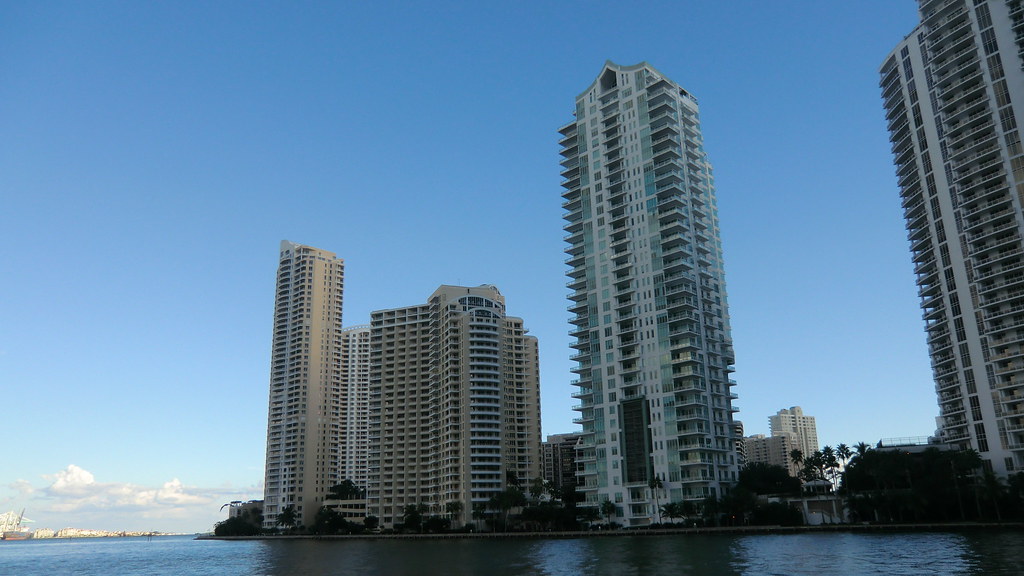
The gap between the lowest and the highest total in the table is 9.7997 mills. That is an abstraction until it is attached to a price. At a $2,000,000 taxable value the difference between Key Biscayne and North Bay Village is $19,599 a year, every year, on two properties sitting on the same bay.
The figures below are gross ad valorem tax before any exemption. A Florida homestead removes up to $50,000 of taxable value and caps future assessment growth under Save Our Homes, which the Florida Department of Revenue explains in full, but very few of the buyers I work with in these price bands are homesteading the purchase, so the gross figure is the honest one to plan around.
| Municipality | Total millage 2026 | $1,000,000 taxable | $2,000,000 taxable | $5,000,000 taxable |
|---|---|---|---|---|
| Key Biscayne | 15.5994 | $15,599 | $31,199 | $77,997 |
| Sunny Isles Beach | 16.6407 | $16,641 | $33,281 | $83,204 |
| Aventura | 16.7154 | $16,715 | $33,431 | $83,577 |
| Unincorporated Miami-Dade | 16.8983 | $16,898 | $33,797 | $84,492 |
| Doral | 16.9487 | $16,949 | $33,897 | $84,744 |
| Bal Harbour | 17.2213 | $17,221 | $34,443 | $86,106 |
| Coral Gables | 18.1518 | $18,152 | $36,304 | $90,759 |
| Surfside | 18.5824 | $18,582 | $37,165 | $92,912 |
| Miami Beach | 18.6681 | $18,668 | $37,336 | $93,340 |
| Bay Harbor Islands | 18.8893 | $18,889 | $37,779 | $94,446 |
| Miami | 19.9544 | $19,954 | $39,909 | $99,772 |
| North Bay Village | 25.3991 | $25,399 | $50,798 | $126,996 |

Two clients will compare the same two oceanfront units and talk about the price per square foot for an hour without once asking which city they are in. One of those units can cost six thousand dollars a year more to hold, forever, and that difference never shows up in the price per square foot.
Gerardo Gonzalez, Licensed Real Estate Agent at Compass
North Bay Village: The Only Large Increase in the County
One municipality moved in a way nothing else in Miami-Dade did. North Bay Village is proposing a total of 25.3991 mills for 2026 against 21.8955 in 2025, an increase of 3.5036 mills, or 16.00 percent. Every other code in the county moved by less than half a mill in either direction.
The increase is not an operating decision alone. The Property Appraiser shows the village’s city operating levy rising from 5.7062 to 7.0000 mills, and its debt service levy rising from 1.1666 to 3.4098 mills, which the Appraiser footnotes as two combined debt levies of 0.9220 and 2.4878. So roughly two thirds of the increase is debt service, not day-to-day budget.
This matters more than a footnote because North Bay Village is an active pre-construction market, not a static one. A buyer signing a reservation on a new tower there today is signing against a 25.3991 total, and on a $2,000,000 taxable value that is $7,007 a year more than the same unit would have cost to hold at the 2025 rate. If you are looking at the island, read the North Bay Village neighborhood guide and the Pagani Residences building page with that number in hand.
Why the Luxury Corridor Sits at the Bottom of the Table
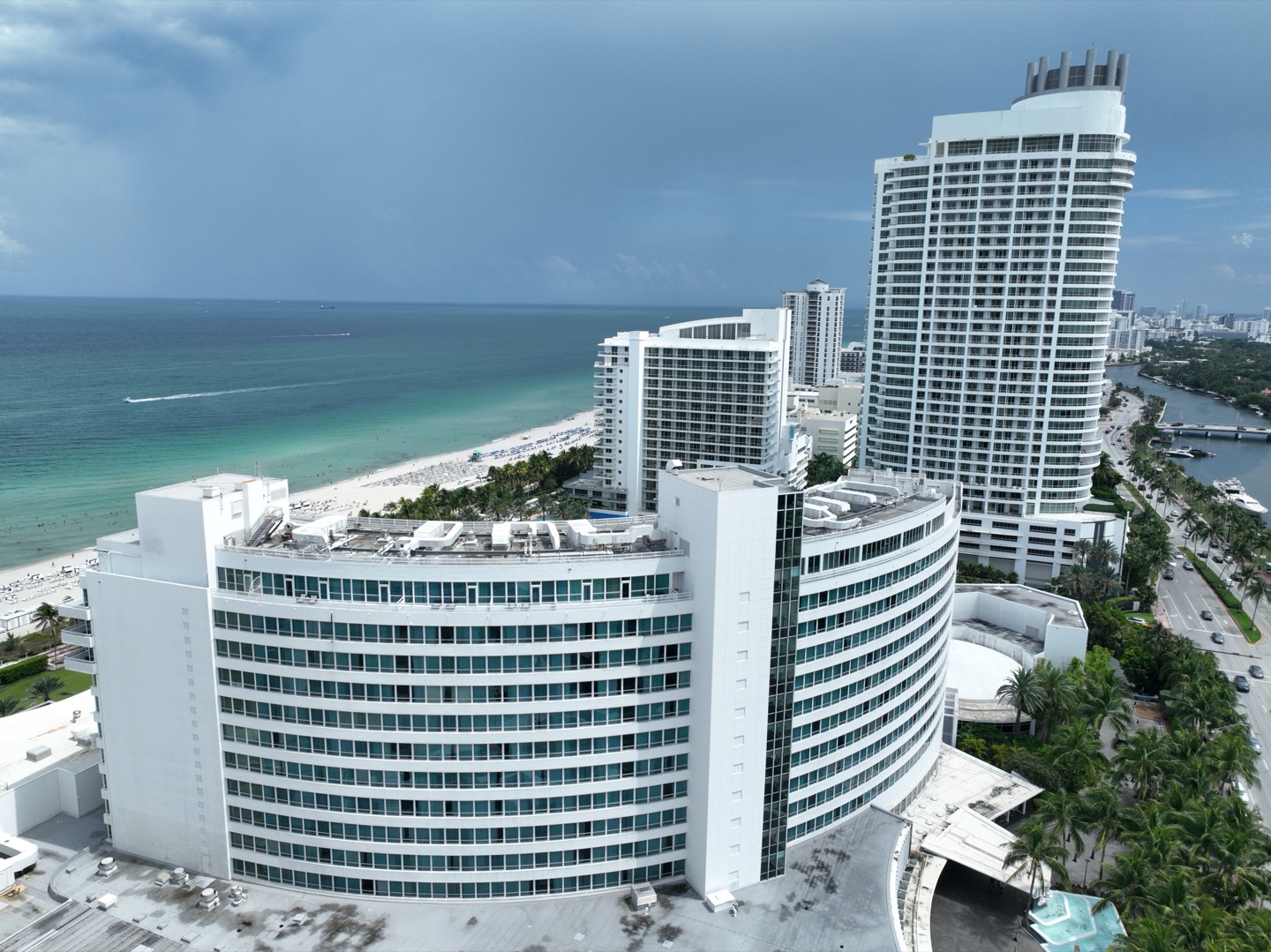
The counterintuitive part of this data is that Miami-Dade’s most expensive addresses mostly sit in its cheapest tax jurisdictions. Key Biscayne at 15.5994, Sunny Isles Beach at 16.6407, Aventura at 16.7154 and Bal Harbour at 17.2213 are four of the five lowest municipal totals in the county, and all four are luxury condominium markets.
The mechanism is the taxable base, not generosity. A city whose assessed value is concentrated in high-value towers raises the same municipal budget from a far lower rate than a city of the same population and a smaller base. Aventura funds its city operations at 1.7261 mills and Sunny Isles at 1.6514, while Opa-Locka needs 8.9797 and Biscayne Park 9.3000 to run theirs.
Two qualifications belong next to that. First, a low millage does not mean a low bill: the taxable value is the other half of the multiplication, and these are the addresses where it is highest. Second, several of these cities carry the county Fire and Rescue levy of 2.3965 mills while Key Biscayne and the City of Miami do not, because they run their own fire departments. The Aventura luxury condo guide and the Key Biscayne guide carry the building-level context the rate alone cannot give you.
The Ten Codes That Went Up, and by How Much
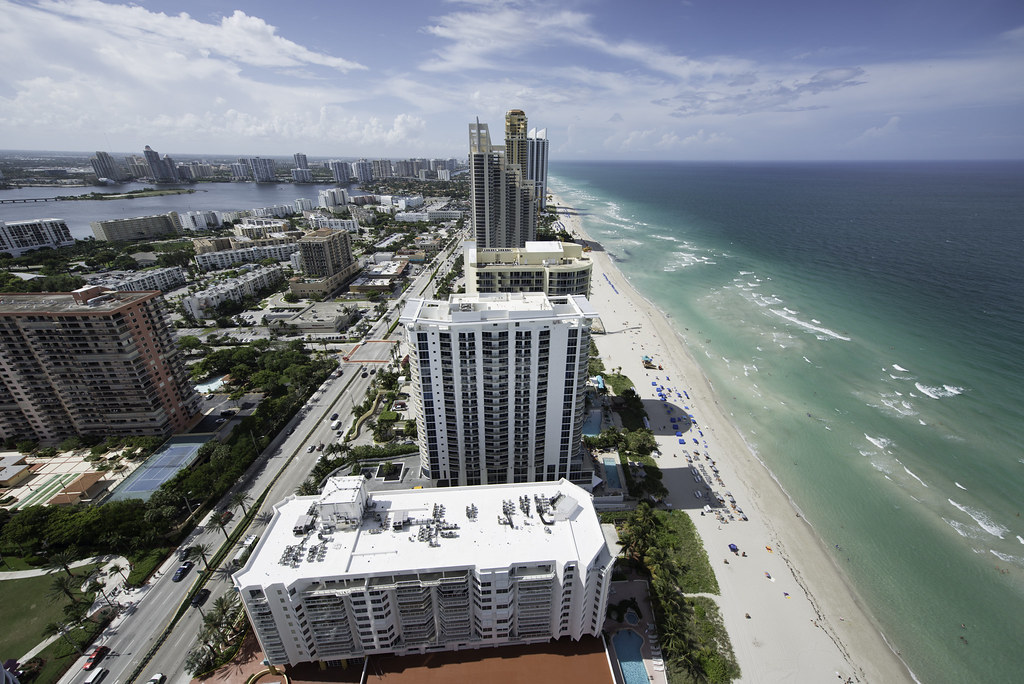
Ten of the thirty-eight codes are proposing a higher total in 2026 than they levied in 2025. Outside North Bay Village none of them moved by more than half a mill, but four of them are coastal luxury markets, and on an eight-figure taxable value a 0.4 mill increase is not a rounding error.
| Municipality | Total 2025 | Total 2026 | Change in mills | Change | Extra on $2M |
|---|---|---|---|---|---|
| North Bay Village | 21.8955 | 25.3991 | +3.5036 | +16.00% | $7,007 |
| Bay Harbor Island | 18.4810 | 18.8893 | +0.4083 | +2.21% | $817 |
| Homestead | 20.9465 | 21.3342 | +0.3877 | +1.85% | $775 |
| Florida City | 21.4531 | 21.8310 | +0.3779 | +1.76% | $756 |
| Palmetto Bay | 17.3245 | 17.6793 | +0.3548 | +2.05% | $710 |
| Bal Harbour | 16.8854 | 17.2213 | +0.3359 | +1.99% | $672 |
| Virginia Gardens | 19.8727 | 20.0893 | +0.2166 | +1.09% | $433 |
| Key Biscayne | 15.5108 | 15.5994 | +0.0886 | +0.57% | $177 |
| Pinecrest | 17.5257 | 17.5934 | +0.0677 | +0.39% | $135 |
| Cutler Bay | 17.8559 | 17.9036 | +0.0477 | +0.27% | $95 |
Bal Harbour at plus 1.99 percent and Bay Harbor Islands at plus 2.21 percent are the two worth flagging for condominium buyers, because both sit in the Surfside to Bal Harbour stretch where association dues and post-SB-4D reserve funding are already pushing carrying costs up independently of tax. Surfside, by contrast, is proposing 18.5824 against 18.6245, a small cut.
Proposed Is a Ceiling, Not a Guess
Every 2026 figure in this report is a proposed rate. As of the date this page was verified, the Property Appraiser had published the 2026 Proposed Millage Rate Table and no 2026 adopted chart. That is worth stating plainly rather than quietly presenting proposed figures as final ones.
It is also less uncertain than it sounds. Under Florida Statute 200.065, a taxing authority may not adopt a final millage rate higher than the rate it tentatively adopted, and if that tentative rate exceeds the rate it originally reported to the property appraiser, every taxpayer in the jurisdiction must be re-noticed by first-class mail at the authority’s own expense. In practice that makes the advertised figure a ceiling. The final adopted rates appear on the tax bill the Tax Collector mails on or about November 1, and this page is refreshed when the Property Appraiser publishes the 2026 adopted chart.
What Is Actually Inside a Miami-Dade Millage Rate
No single government sets your Miami-Dade property tax. The total is a stack of separate levies from six different authorities, and the city you are buying in usually controls the smallest piece of it. Aventura is a clean illustration, because its city levy is the second lowest in the county.
| Levy | Who sets it | 2026 proposed mills | Share of the bill |
|---|---|---|---|
| School operating | Miami-Dade County Public Schools | 5.4990 | 32.9% |
| County operating | Miami-Dade County | 4.5740 | 27.4% |
| Fire and Rescue | Miami-Dade County | 2.3965 | 14.3% |
| City operating | City of Aventura | 1.7261 | 10.3% |
| School voted operating | Miami-Dade County Public Schools | 1.0000 | 6.0% |
| Library | Miami-Dade County | 0.2812 | 1.7% |
| Children’s Trust | The Children’s Trust | 0.4638 | 2.8% |
| County debt service | Miami-Dade County | 0.3937 | 2.4% |
| School debt service | Miami-Dade County Public Schools | 0.1240 | 0.7% |
| Regional districts (water management, Everglades, Okeechobee Basin, FIND) | State and regional districts | 0.2571 | 1.5% |
| Total | Six authorities, thirteen levies | 16.7154 | 100% |
Ten percent. That is how much of an Aventura tax bill the City of Aventura actually sets. The school board sets 38.9 percent across its two levies and the county sets 44.1 percent across operating, fire, library and debt. This is why a city-by-city comparison is useful for choosing an address and useless for predicting which way your bill moves next year: the two levies that fell countywide in 2026 were both set by authorities no municipality controls. The Florida Department of Revenue publishes the taxpayer-facing explanation of how the levies are assembled.
Gerardo’s Read: Using a Millage Rate Before You Write an Offer
My advice on millage is to treat it the way you treat an HOA budget, as a recurring cost you are buying into rather than a line item on the closing statement. When a client asks me to compare two units in different cities, the first thing I pull is the millage code on each, because a unit that looks $150,000 cheaper on price can give the whole difference back in under eight years of tax at the spread in this table.
Three things I check, in this order. First, the city’s own operating levy, because that is the only component its commission controls and the only one that tells you anything about how the place is run. Second, the debt service line, because a debt levy is a commitment already made and it does not come off next year: North Bay Village is the live example in this county. Third, whether the code carries the county Fire and Rescue levy at 2.3965 mills, which is a visible 2.4-mill swing between otherwise similar municipalities.
What I do not do is treat a low millage as a reason to buy. Tax is one of four recurring costs on a Miami condominium, and the other three, association dues, insurance and reserve assessments, move faster and further than millage does. The true cost of owning a Miami luxury condo puts all four together on one page, which is the comparison that actually decides whether a holding cost is affordable.
Methodology and Sources
Every millage figure on this page comes from the 2026 Proposed Millage Rate Table published by the Miami-Dade County Property Appraiser. The 2026 column is that document’s Total Millage 2026 column and the 2025 column is its own Total Millage 2025 column, so both years come from one source document and no figure is combined across releases.
The change in mills and the percentage change are LuxuryDade arithmetic on those two published columns. The dollar figures are the published rate multiplied by taxable value divided by 1,000, which is the definition of a mill, and they are gross of every exemption. The component breakdown for Aventura is the individual levy columns of the same table, and the share percentages are our arithmetic on them.
Four limits worth stating. The 2026 rates are proposed, not adopted, for the reason set out above. Taxable value is not market value: Florida assessment caps mean a long-held property and a newly sold identical property can carry very different taxable values at the same rate. The three sub-codes in the table are district variants rather than separate cities, so the municipal count is 34 even though the table has 38 rows. And a millage rate says nothing about non-ad-valorem assessments, which appear on the same bill and are not part of any figure here.
Last verified October 10, 2026 against the Property Appraiser’s taxing authorities page, which on that date listed the 2026 Proposed Millage Rate Table and no 2026 adopted chart. Next scheduled refresh is when the 2026 adopted chart is published, which the Appraiser has historically done after the November tax bills are mailed. Figures are restated rather than adjusted.
Related Resources
- What a Miami luxury condo actually costs to hold each year
- Miami Condo HOA Fees 2026: Averages by Building Type
- Miami Price Per Square Foot 2026: 11 Areas Ranked
- Months of supply across all three South Florida counties
- Who moved to South Florida, and how much income moved with them
- Establishing Florida tax domicile after a move
- The 2026 Florida homestead exemption change
- Bal Harbour luxury condos neighborhood guide
- Sunny Isles Beach oceanfront condos
- The complete foreign national guide to buying in Miami
Frequently Asked Questions